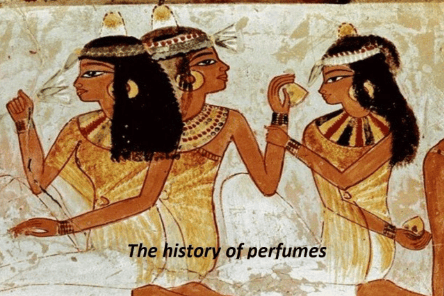
Ancient Egypt is widely regarded as the birthplace of cosmetic science — a civilization where beauty, medicine, ritual and chemistry merged into one sophisticated system. Their approach to skincare wasn’t decorative; it was functional, intentional and surprisingly advanced. Every ingredient served a purpose, every formula had a method, and every ritual reflected a deeper understanding of how the skin behaves in a harsh desert climate.
Egyptians developed early versions of moisturisers, exfoliants, sunscreens, perfumes and anti‑aging treatments. Their anti‑wrinkle creams, often made from aloe, myrrh, and frankincense, show how deeply they understood botanical synergy. Aloe hydrated and cooled; myrrh soothed and strengthened; frankincense tightened and refined. These weren’t random mixtures — they were early dermatological blends built from observation, experimentation and centuries of practice.
Cosmetic tools also evolved here: kohl applicators, cosmetic palettes, unguent jars and carved vessels designed to preserve formulas from heat and light. Beauty was both daily care and spiritual protection, believed to guard the body and honour the Gods.
Egypt’s legacy lives on in modern skincare. Many of their ingredients — aloe, clay, oils, resins, botanical extracts — remain foundational in contemporary formulations. Their philosophy endures too: beauty as ritual, science as care and skin health as a reflection of balance.
Ancient Egypt didn’t just practise beauty. They invented the blueprint.
I’m Stacey Hobbs, thanks for reading Face by Stace! Until next time.
do you feel fabulous today?

