Canadian speakeasies weren’t carbon copies of American ones — and they certainly weren’t identical across Canada. Each major city had its own cultural influences, nightlife personality, and relationship with alcohol laws, creating distinct underground scenes from coast to coast.
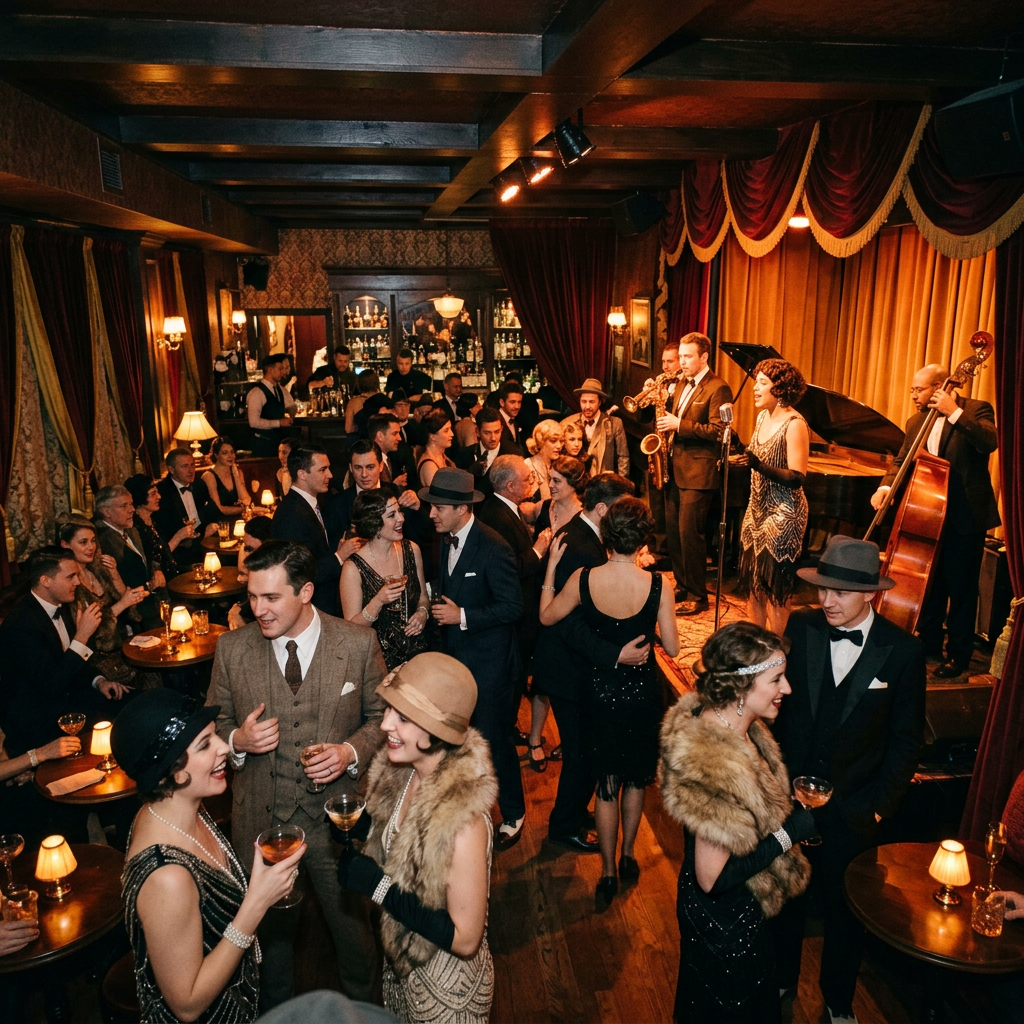
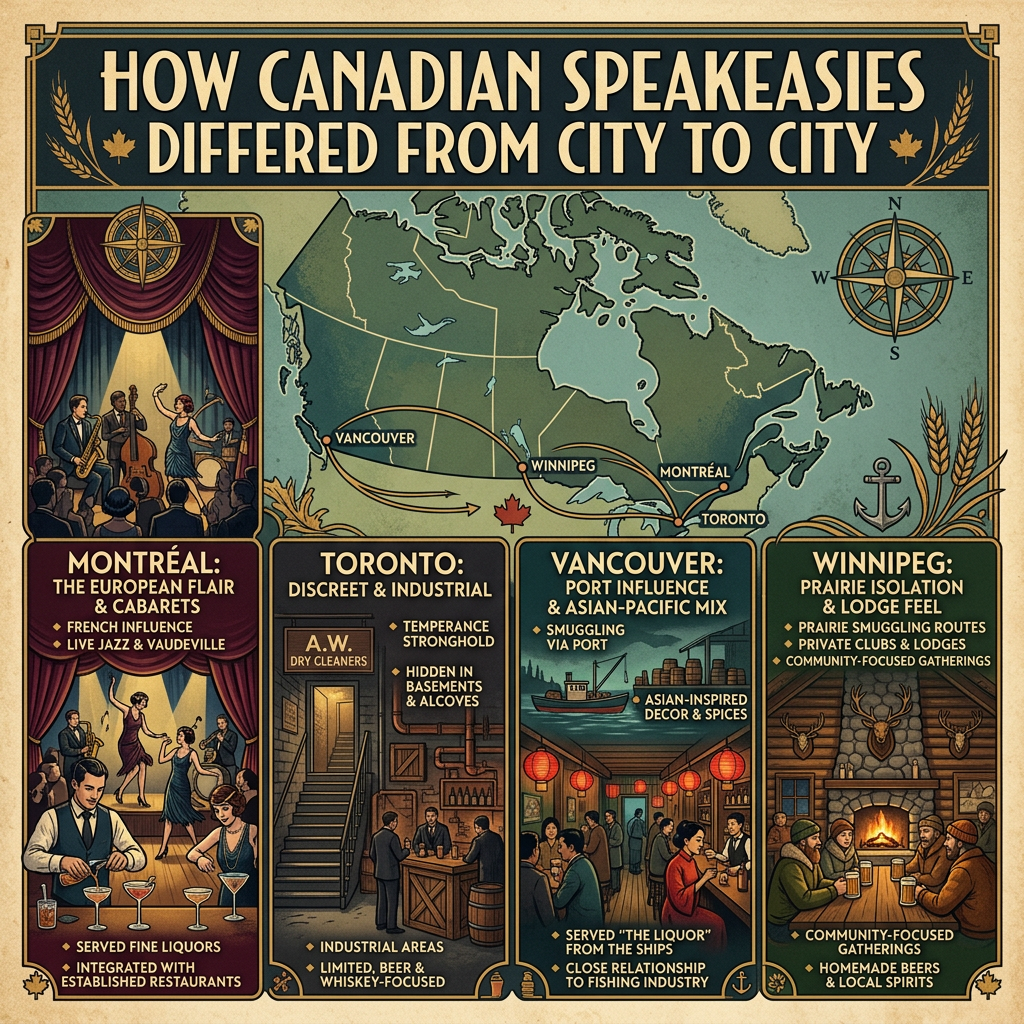
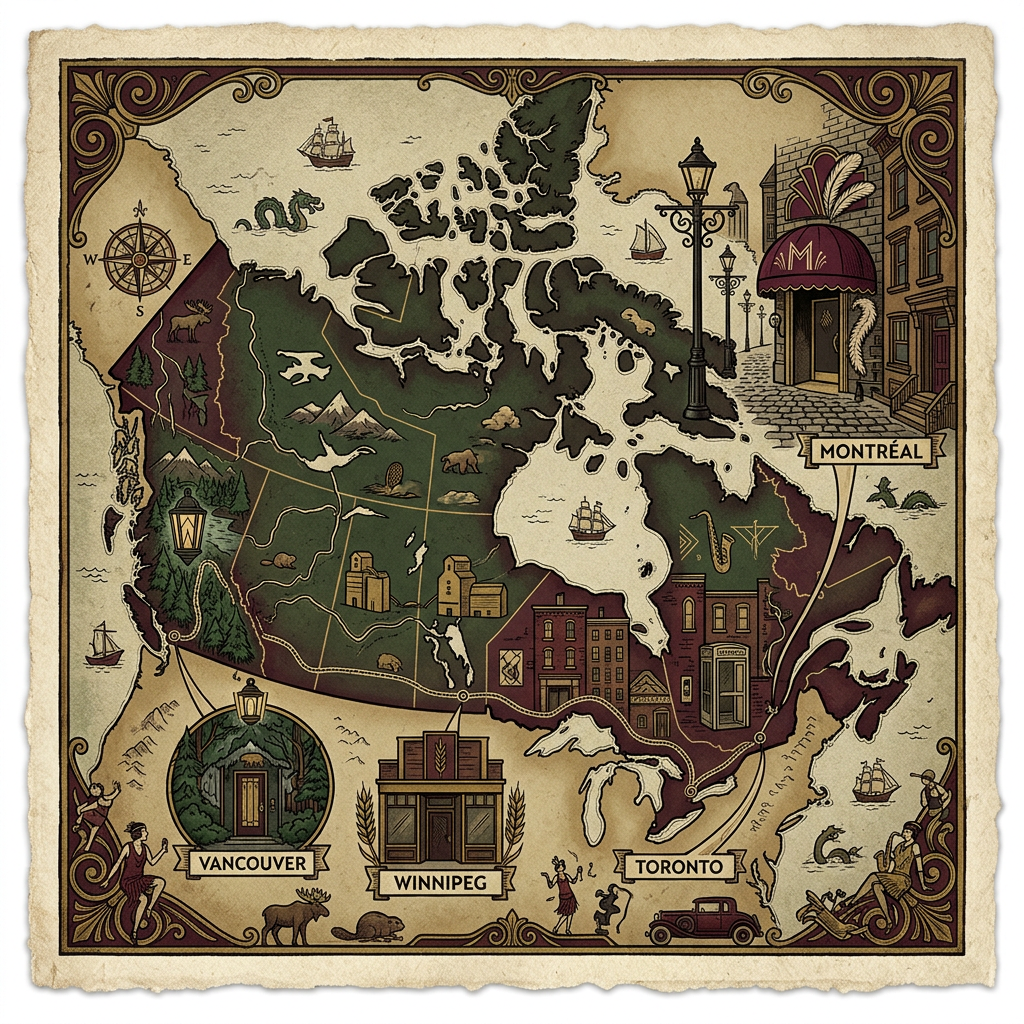
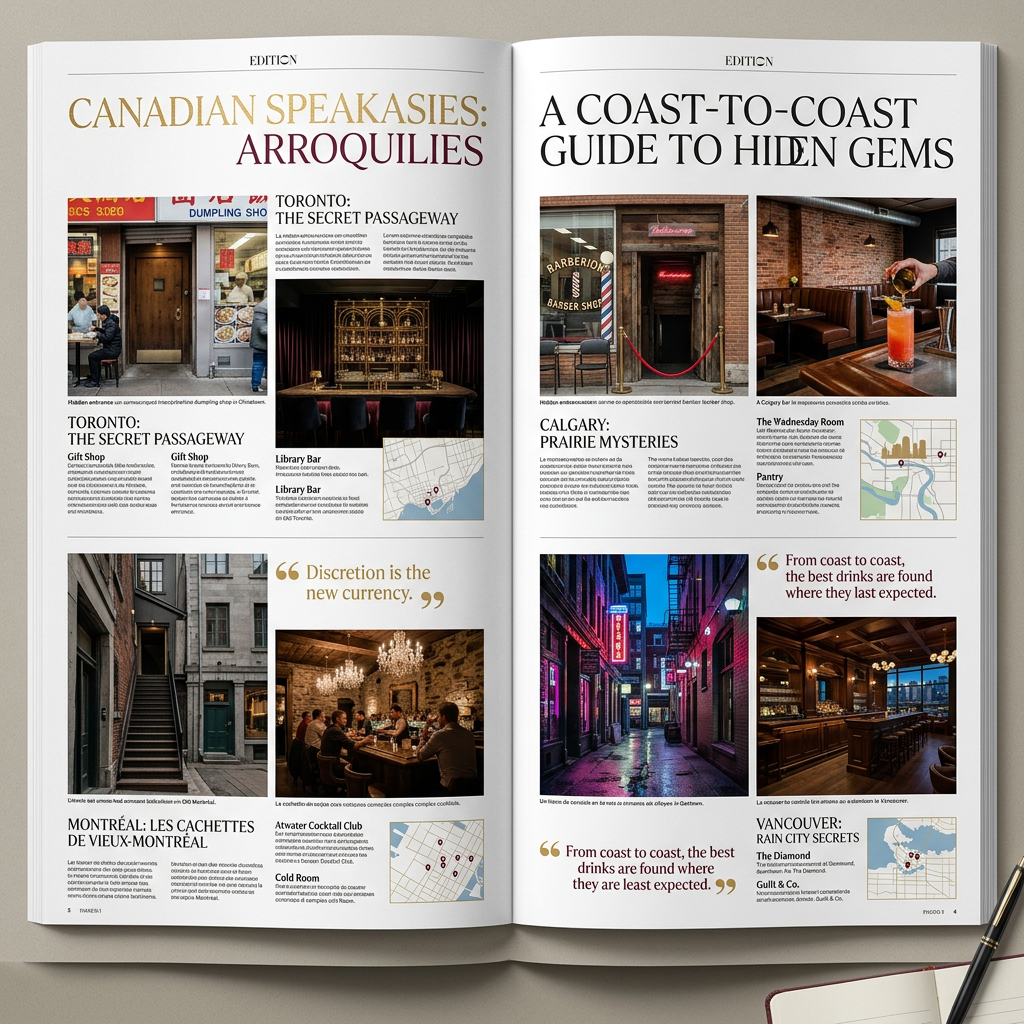
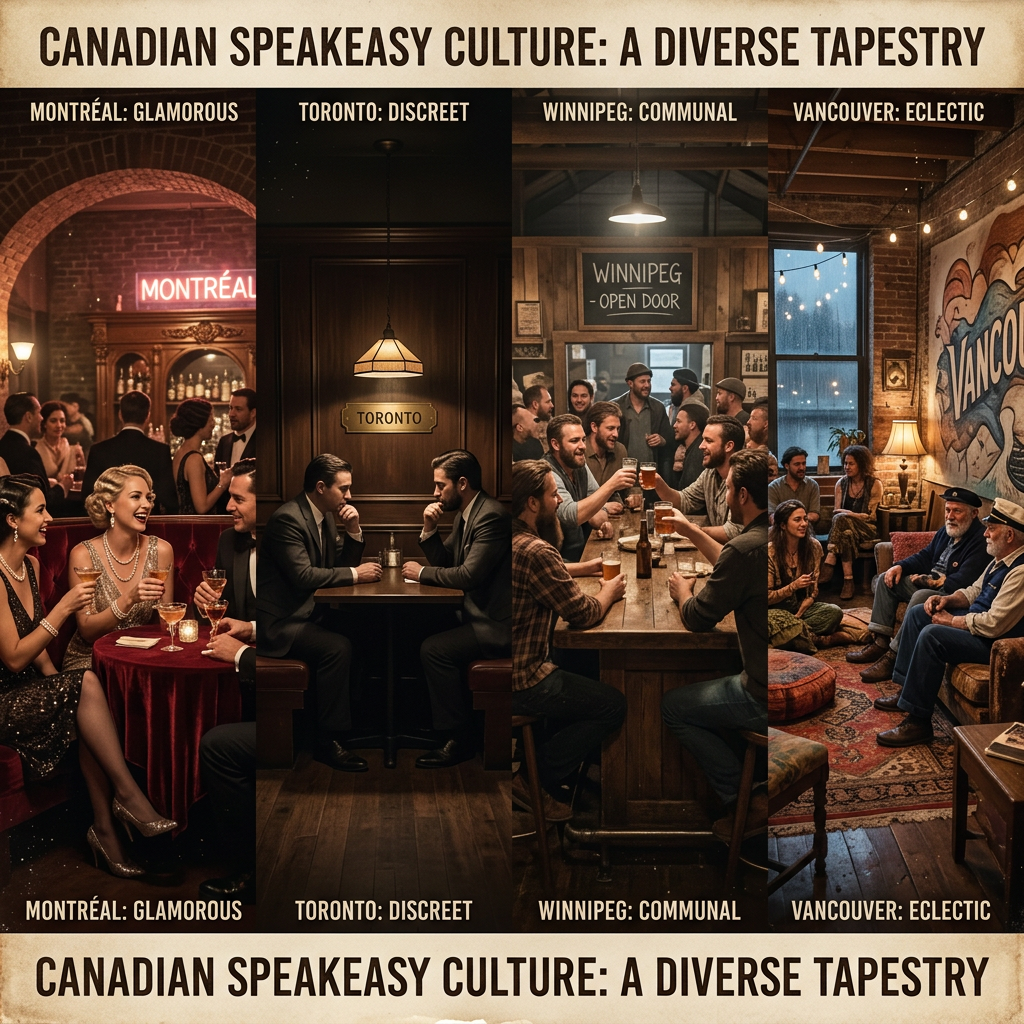
Montréal had the most vibrant, European‑infused speakeasy culture. Its French nightlife, jazz clubs, and cosmopolitan energy made hidden bars feel glamorous rather than secretive. American tourists flocked there because Montréal’s speakeasies felt closer to Paris than Prohibition‑era New York. Music was louder, fashion bolder and the atmosphere more decadent.
Toronto, shaped by British restraint, had quieter, more conservative speakeasies. They were often tucked behind restaurants, inside private clubs, or disguised as “soft drink parlours.” Toronto’s underground bars focused on discretion, order, and social respectability. You’d find softer jazz, polite cocktails, and a clientele that wanted modern fun without scandal.
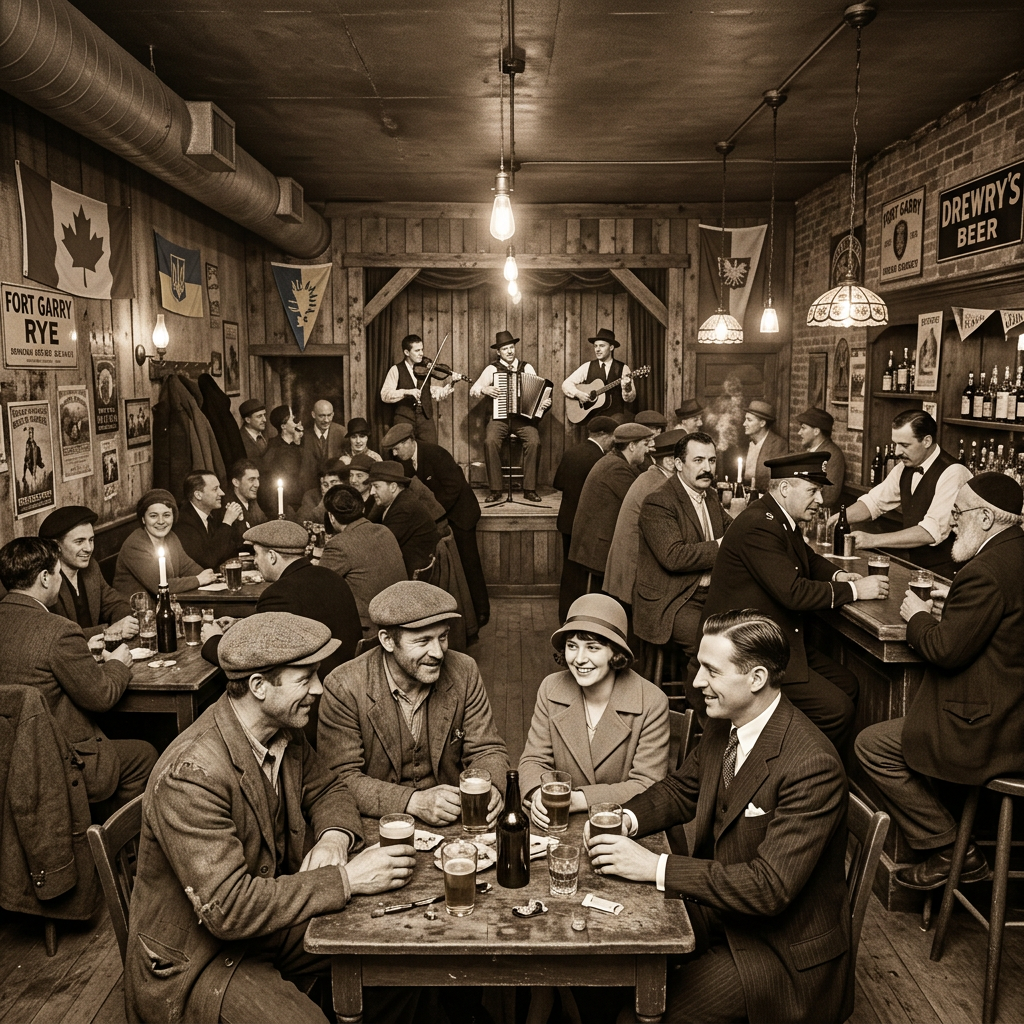
Winnipeg, a booming Prairie city in the 1920s, had a surprisingly lively speakeasy scene. Its bars were more community‑driven — shaped by immigrant neighbourhoods, railway workers, and a growing middle class. Speakeasies here blended European traditions with Prairie practicality: hearty drinks, folk music, and a mix of cultures sharing space.
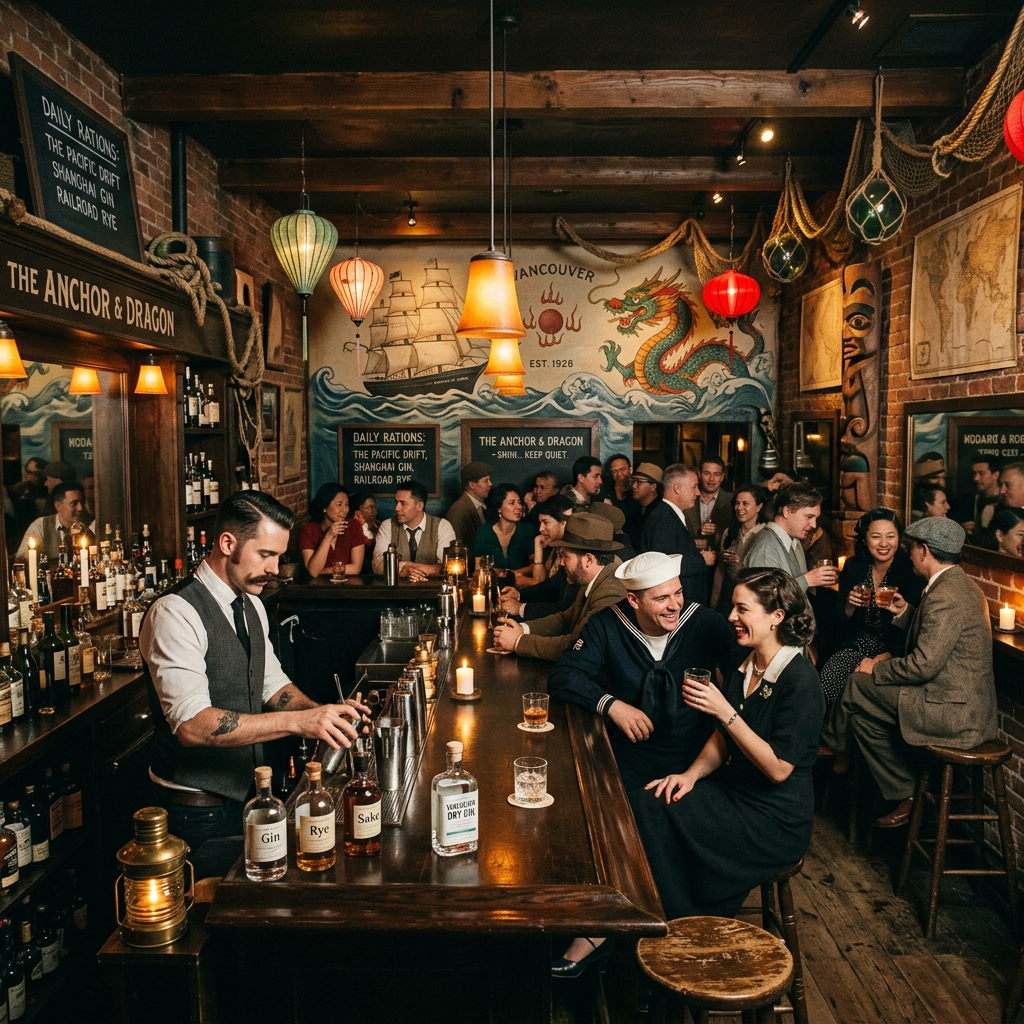
Vancouver leaned West Coast eclectic. Its speakeasies were influenced by maritime trade, Asian immigration, and American visitors arriving by ship or rail. Hidden bars ranged from smoky waterfront rooms to stylish hotel lounges operating “after hours.” Vancouver’s scene felt adventurous, modern and slightly rebellious.
In short: Montréal was glamorous, Toronto discreet, Winnipeg communal and Vancouver eclectic — proving Canada’s speakeasy culture was as diverse as the country itself.
I’m Stacey Hobbs, thanks for reading Face by Stace! Until next time.
do you feel fabulous today?

