Hair in Ancient Egypt was both aesthetic and symbolic, reflecting status, hygiene, and identity. Egyptians lived in a hot, arid climate, so haircare centred on nourishment, protection, and ritual. Oils were essential. Castor oil, almond oil and moringa oil were massaged into the scalp to condition, strengthen, and add shine. These oils protected hair from sun, sand, and dryness, creating the sleek, glossy look seen in tomb paintings.
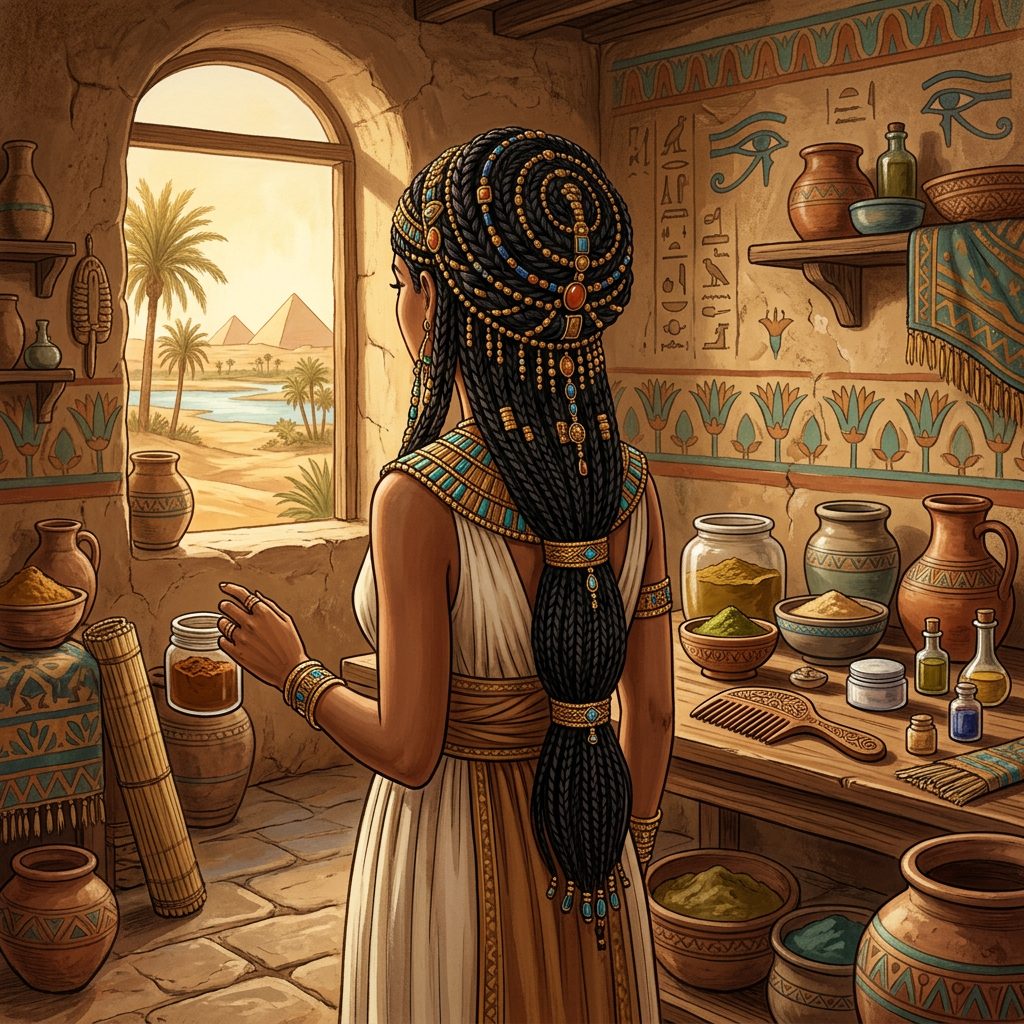
Wigs played a major role in beauty culture. Both men and women wore wigs made from human hair or plant fibres, styled into braids, curls, or shoulder‑length layers. Daily wigs were practical, while ceremonial wigs were elaborate, scented, and decorated with beads or gold. Beeswax pomades helped shape styles and secure braids, functioning like an early styling balm.
Henna was used to condition and subtly tint hair, adding warmth and resilience. Some Egyptians shaved their heads for cleanliness and comfort, wearing wigs as their public “hair identity.” Others kept natural hair braided tightly to reduce heat and maintain neatness.
Egyptian haircare rituals reveal a culture that valued nourishment, craftsmanship, and symbolism. Hair wasn’t just groomed — it was curated.
I’m Stacey Hobbs, thanks for reading Face by Stace! Until next time.
do you feel fabulous today?

