Few films are as visually iconic as The Wizard of Oz (1939), and behind its unforgettable characters was the influence of the Max Factor organization. As Hollywood transitioned into the Technicolor era, makeup became more important than ever. Colours that looked beautiful in black-and-white films often appeared completely different under Technicolor cameras, requiring entirely new cosmetic techniques. Max Factor had spent decades developing makeup specifically for motion pictures and was at the forefront of these innovations. [britannica.com], [fidmmuseum.org]
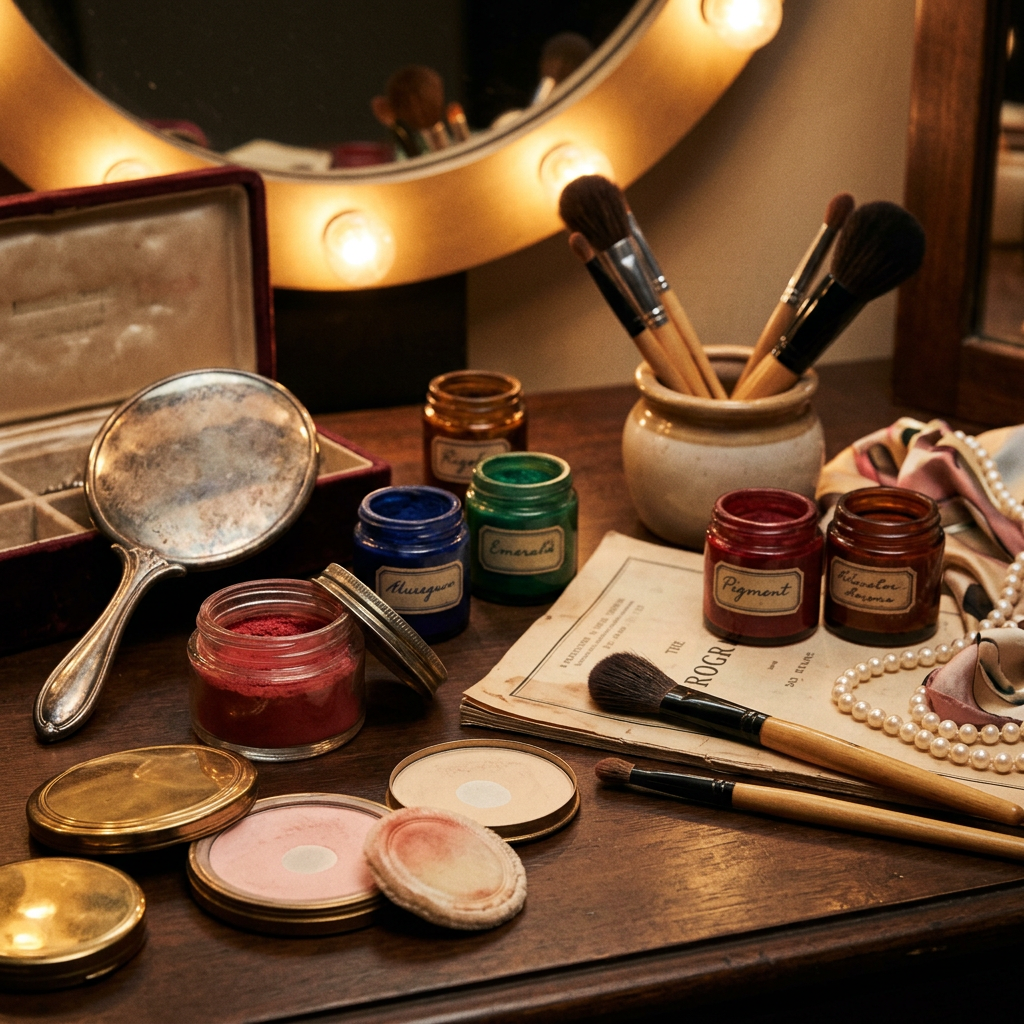
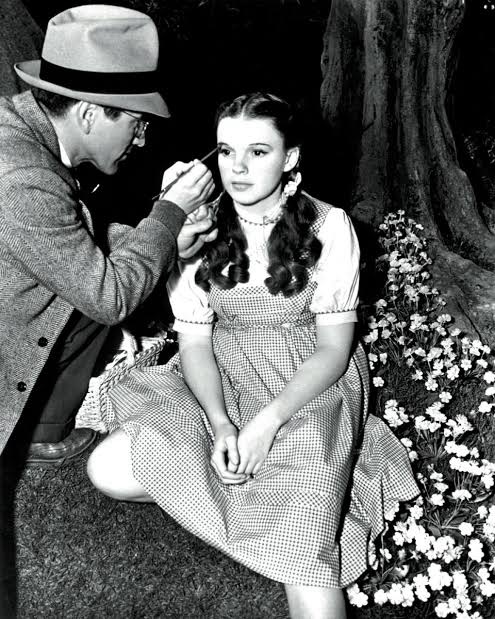
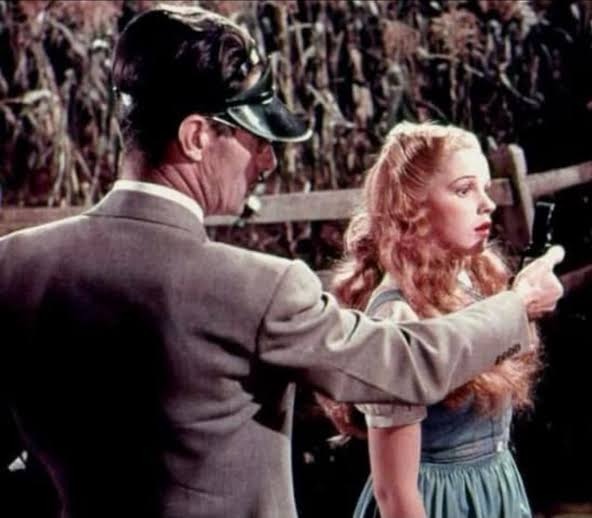
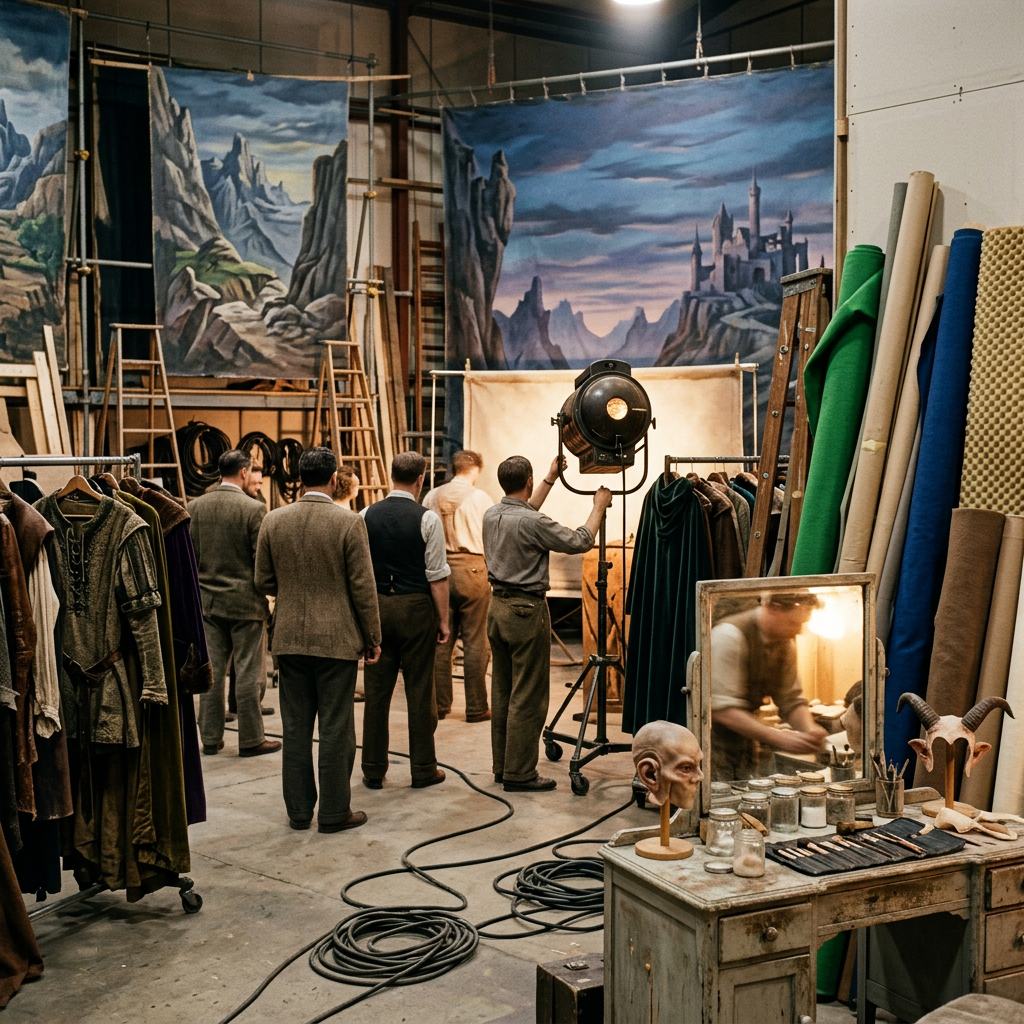
The production of The Wizard of Oz relied heavily on extensive hair and makeup testing to ensure actors appeared believable in the film’s vibrant fantasy world. Historical photographs show makeup and hair tests for Judy Garland conducted through Max Factor’s makeup operations during production development. [pinterest.com]
By the late 1930s, the Max Factor name had become synonymous with Hollywood glamour and cinematic illusion. Studios turned to Max Factor products and expertise because traditional stage makeup was too heavy for film. His innovations helped create more natural‑looking complexions, better colour balance, and makeup capable of withstanding powerful studio lighting. [britannica.com], [fidmmuseum.org]
What makes The Wizard of Oz significant in beauty history is that it showcased how makeup had evolved from simple stage paint into a sophisticated cinematic art form. The fantasy audiences saw on screen was made possible by decades of innovation led by pioneers such as Max Factor, whose work helped Hollywood bring imagination to life.

