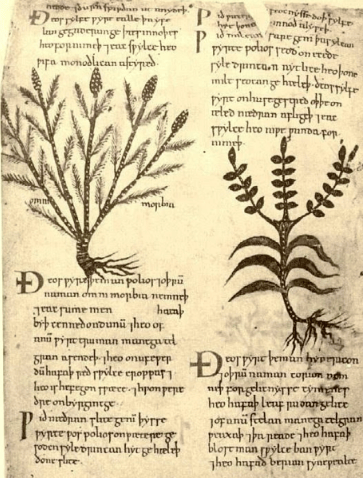
Anglo‑Saxon beauty rituals relied on herbs, grains and natural oils — ingredients gathered from fields, forests and kitchen gardens. These recipes were simple but effective, reflecting a culture that valued purity and practicality. For cleansing, women used herbal infusions made from chamomile, mint or elderflower. Warm water steeped with these plants refreshed the skin and soothed irritation.Continue reading “Anglo‑Saxon Herbal Beauty Recipes”
Tag Archives: London
Anglo‑Saxon Bathing Rituals
Bathing in the Anglo‑Saxon world was less about luxury and more about ritual. Warm water infused with herbs was used to cleanse, soothe and spiritually refresh. Women often steeped mint, chamomile or meadowsweet in basins, creating fragrant washes that softened the skin and eased tension. Anglo-Saxons didn’t bathe daily; it was more about it beingContinue reading “Anglo‑Saxon Bathing Rituals”
Anglo‑Saxon Beauty + Symbolism
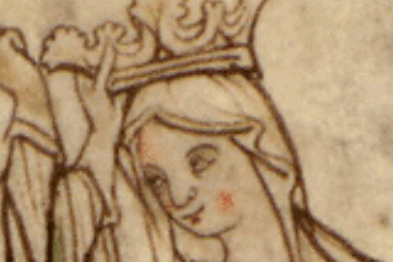
In the world of Anglo-Saxon, beauty carried much weight. Physical appearance reflected character and harmony. Clear skin suggested purity. Long, well‑kept hair represented virtue and good health. Fragrance signaled protection and inner balance. Grooming amongst women were classified by these beliefs. They used herbal cleansers to maintain a bright complexion, braided their hair to showContinue reading “Anglo‑Saxon Beauty + Symbolism”
Part II — Tudor Cosmetics: Ingredients, Symbolism and Court Politics
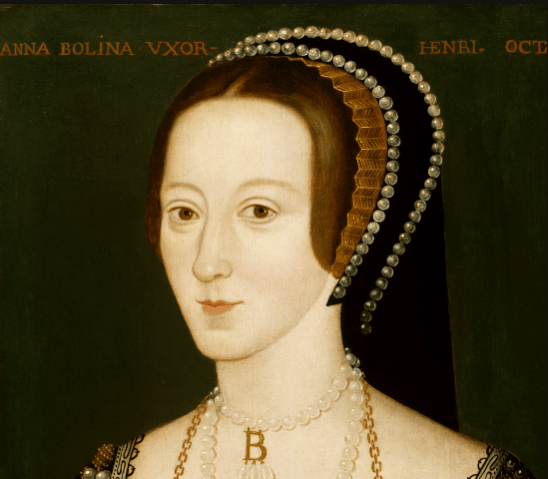
When it came to beauty in the Tudor dynasty, it was more about symbolicism, being strategic and deeply tied to status. Cosmetics were used sparingly but when used, every ingredient carried meaning. Anne Boleyn knew this, after all she lived in a world where appearance communicated lineage, virtue and political alignment and the products womenContinue reading “Part II — Tudor Cosmetics: Ingredients, Symbolism and Court Politics”

