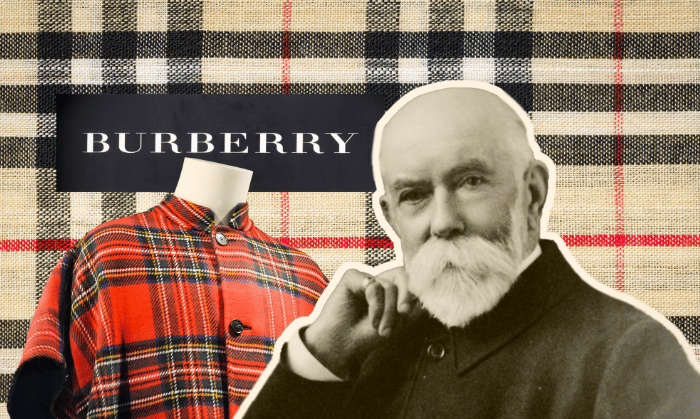
Burberry’s story begins not with glamour, but with weather. In 1856, Thomas Burberry founded his house on a simple idea: clothing should protect. His breakthrough came with gabardine, a tightly woven, weather‑resistant fabric that was breathable, durable and revolutionary. It transformed outerwear from heavy, impractical garments into modern tools of mobility. Gabardine made Burberry indispensable.Continue reading “Burberry: Weather, War & the Invention of British Utility Chic”
Tag Archives: London
Get the Look: Twiggy’s Spider Lashes and Baby Doll Eyes
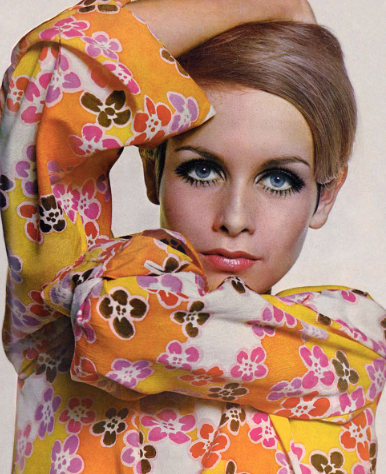
The Mod Beauty Trick That Defined a DecadeEveryone was wearing spider lashesTwiggy named “The Face of 1966” If Brigitte Bardot gave the 1960s smudged cat eye to Elizabeth Taylor’s Cleopatra’s cat eye, then Twiggy brought something else to the table to amplify the entire look. After all, 1960s was a decade that was all about eye make-up statements.Continue reading “Get the Look: Twiggy’s Spider Lashes and Baby Doll Eyes”
Get the Look: Twiggy’s Mod Make‑Up

In the mid‑1960s, when London was vibrating with youth culture, music, and fashion, a teenage girl named Lesley Hornby, soon to be known simply as Twiggy, redefined beauty with a look that felt both futuristic and innocent. Her Mod make‑up became one of the most iconic beauty signatures of the decade: graphic, doll‑like, and unmistakablyContinue reading “Get the Look: Twiggy’s Mod Make‑Up”
Mini Skirts: Mary Quant’s Cultural Shockwave Innovation: When a Hemline Became a Revolution
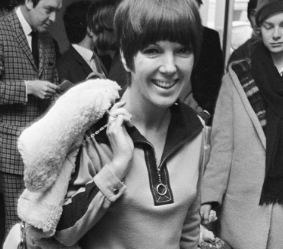
Few garments in fashion history have caused a cultural earthquake — but the mini skirt did. And at the centre of that shockwave stood Mary Quant, the British designer who didn’t just shorten skirts; she shortened the distance between youth culture and fashion itself. The mini skirt wasn’t simply a trend. It was a declaration. AContinue reading “Mini Skirts: Mary Quant’s Cultural Shockwave Innovation: When a Hemline Became a Revolution”
How Vidal Sassoon’s Pixie Cut Re-defined Modern Culture
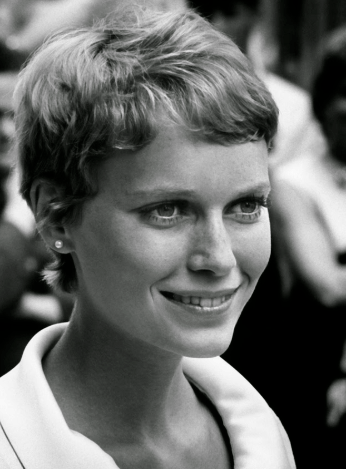
When Vidal Sassoon introduced the pixie cut in the early 1960s, he didn’t just change hair — he changed culture. His geometric approach to styling transformed the haircut from a symbol of rebellion into an emblem of modernity. The pixie became the visual shorthand for a new kind of woman: independent, confident, and unafraid ofContinue reading “How Vidal Sassoon’s Pixie Cut Re-defined Modern Culture”
Anglo‑Saxon Hair Tools
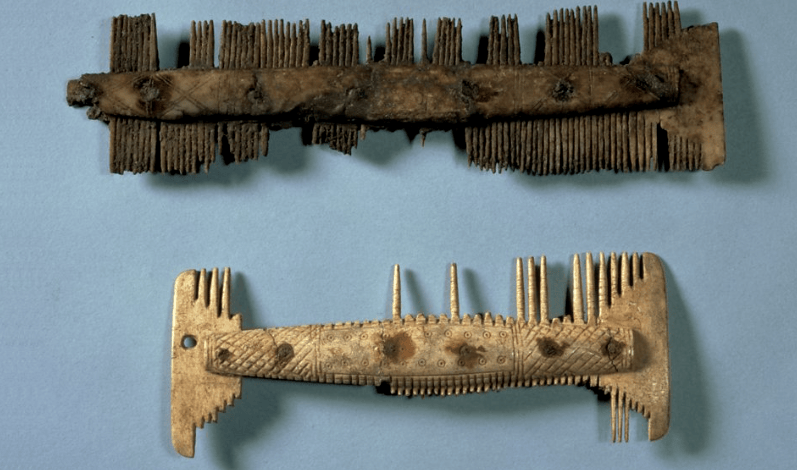
Anglo‑Saxon hair care was simple, natural, and deeply tied to craftsmanship. Hair was considered a symbol of health and femininity, so maintaining it was a daily ritual supported by tools that were both practical and beautiful. The most essential item was the wooden comb. These combs were carved from boxwood, ash or horn, often decorated withContinue reading “Anglo‑Saxon Hair Tools”

