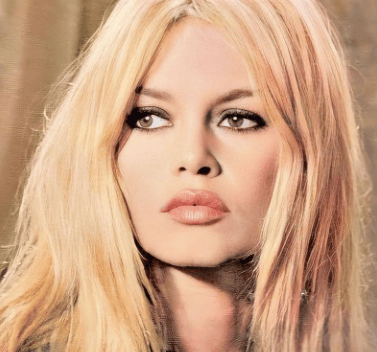
French New Wave (La Nouvelle Vague) wasn’t simply a film movement — it was a cultural rupture. Emerging in late‑1950s Paris and cresting through the 1960s, it re-wrote the rules of cinema, femininity and beauty. The women of this era didn’t look “done.” They looked real.
Their faces became part of the movement: minimal, expressive, intellectual and quietly sensual. Beauty was no longer a mask. It was a mood.
The Cultural Shift: Anti‑Glamour as Identity
The decade before had been dominated by the polished perfection of studio beauty — powdered skin, sculpted lips and hair lacquered into submission. French New Wave women rejected all of it.
Their beauty communicated:
- independence
- spontaneity
- emotional complexity
- artistic sensibility
- a refusal to conform
This was the first beauty movement where the woman looked like she was thinking — not posing.
The French New Wave Face
Skin: Bare, Breathable, Un-corrected
Skin was left intentionally natural. Not the “no‑makeup makeup” — simply less makeup.
The aesthetic:
- sheer coverage
- matte but not powdered
- freckles visible
- pores allowed to exist
- foundation used sparingly
It was skin that looked lived‑in not perfected.
Eyes: The Signature Flick
The eyeliner flick became the defining gesture of the era.
Characteristics:
- a thin, precise line
- a subtle upward lift
- minimal shadow
- lashes defined but not theatrical
It created a gaze that felt alert, intelligent, and quietly seductive. Think Anna Karina, Jean Seberg, and Brigitte Bardot in her pared‑down moments.
Brows: Soft and Natural
Brows were:
- lightly groomed
- youthful
- expressive
- never over‑arched
They framed the eyes without dominating them.
Lips: The Unbothered Pout
Two lip moods defined the movement:
1. The Blotted Red
Applied, kissed off, softened — a red lip that looked lived‑in rather than lacquered.
2. The Bare Lip
Just balm. Natural. Effortless.
The French New Wave lip was never glossy, never over‑drawn and never “perfect.”
Hair: The Anti‑Salon Aesthetic
Hair was intentionally un-done — a rebellion against the rigid coiffures of the 1950s.
Styles included:
- tousled bobs
- soft bangs
- natural waves
- slightly messy ponytails
- fringe that fell into the eyes
It looked like she woke up like this — because she had better things to do than perfect her hair. Think Brigitte Bardot, she famously styled her hair in this manner.
The Philosophy: Beauty as Intellectual Rebellion
French New Wave beauty wasn’t about products. It was about point of view.
It communicated:
- a woman who thinks for herself
- a woman who moves through the world with curiosity
- a woman who is sensual without trying
- a woman who is effortless because she is busy living
This was beauty as identity — not performance.
Modern beauty trends echo French New Wave constantly:
- clean skin
- blotted lips
- minimal foundation
- un-done hair
- soft liner flicks
- natural brows
But the original movement had something today’s trends often lack:
philosophical depth.
It wasn’t about looking effortless. It was about being effortless — because she had better things to do than chase perfection.
French New Wave beauty was the cinematic rebellion of the 1960s — a soft flick of liner, a blotted lip, and skin left intentionally bare. It rejected perfection in favour of authenticity, creating a beauty language rooted in intellect, spontaneity and the kind of sensuality that comes from not trying too hard. Its influence remains woven through modern beauty culture, proving that the most compelling faces are the ones that look like they’re thinking.
I’m Stacey Hobbs, thanks for reading Face by Stace! Until next time.
do you fabulous today?
 Face by Stace