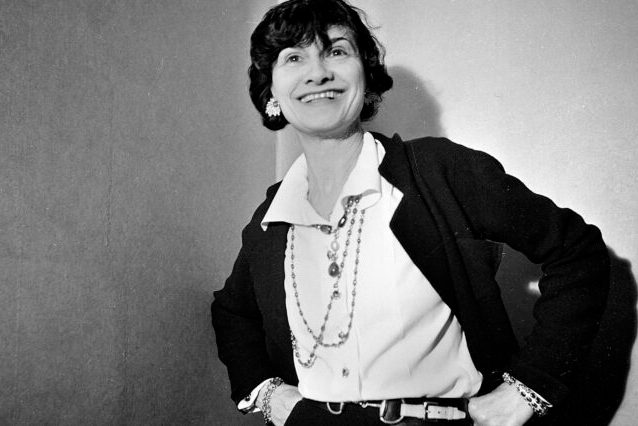
Chanel didn’t just create a perfume; she created a business model. When No. 5 launched in 1921, the fragrance industry was still rooted in small perfumers and boutique production. Chanel approached it differently — as a scalable luxury product that could be manufactured, marketed, and distributed with the same precision as fashion.
She partnered with the Wertheimer family, owners of the perfume house Bourjois, to industrialize No. 5. Their factories could produce the fragrance at a volume Chanel could never achieve alone, allowing No. 5 to reach international markets. In exchange, the Wertheimers received a controlling share of the newly formed Parfums Chanel, a decision that would shape the brand’s future for decades.
Chanel’s promotional strategy was equally modern. She understood that luxury required visibility, not scarcity. No. 5 was placed in elite department stores, advertised in fashion magazines, and gifted to influential women. Chanel herself wore it constantly, turning her personal image into a form of marketing. By the 1930s, No. 5 had become the first truly global designer fragrance, a commercial success built on industrial production, strategic partnerships, and a new understanding of how luxury could be scaled.
I’m Stacey Hobbs, thanks for reading. Until next time!
do you feel fabulous today?
 Face by Stace