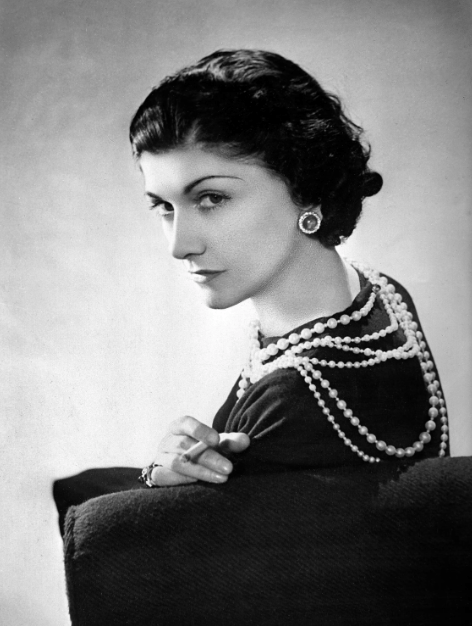
Chanel’s war years remain one of the most complex chapters in fashion history — a period defined by retreat, reinvention and the long shadow of reputation. When Paris fell under German occupation in 1940, Gabrielle “Coco” Chanel abruptly closed her couture house, dismissing thousands of employees and stepping away from the industry she had dominated for decades. She claimed fashion was irrelevant during wartime, but the closure also reflected her long‑standing tension with labour unions and her desire for control.
During the occupation, Chanel lived at the Ritz, a hotel favoured by high‑ranking German officers. Her relationship with Baron Hans Günther von Dincklage, a German diplomat, placed her in proximity to political power and controversy. She attempted to use Nazi “Aryanisation” laws to regain full ownership of Chanel No. 5 from the Wertheimer family — a move that would later become one of the most scrutinised decisions of her career.
As the war progressed, Chanel’s retreat from couture contrasted sharply with designers like Lucien Lelong, who fought to keep French fashion alive. Her involvement in a German diplomatic initiative, Operation Modellhut, further complicated her public image. After the Liberation, Chanel was questioned but never charged, a result often attributed to her influential connections.
Yet her post‑war reinvention was swift. In 1954, she re-opened her house, presenting a modern, streamlined vision that redefined women’s dressing and restored her global influence. Chanel’s war years remain a study in contradiction — a blend of withdrawal, ambition, and choices that continue to shape her legacy.
I’m Stacey Hobbs, thanks for reading Face by Stace! Until next time.
do you feel fabulous today?

