Well, hi folks, welcome back to another edition of “The History of …”, since we have covered “The History of False Lashes,” what an interesting read, isn’t it? How about “The History of Revlon”? “The History of Maybelline,” I find it to be quite fascinating and interesting, I mean we are talking about the first ever modern mascara that we know it today, which began with cake mascara, later having Max Factor, the Father of Makeup, whom coined the term “make-up” to develop his version of cake mascara in the 1920s, he did after all he did create the flapper makeup look. There are more “The History of…” to check out on the site! As for today … “The History of Perfume.” Enjoy this read!
- The word perfume comes from the Latin per fumum, meaning “through smoke,” reflecting its origins in ritual incense.
- The earliest recorded perfumer was Tapputi, a Mesopotamian chemist from around 1200 BCE.
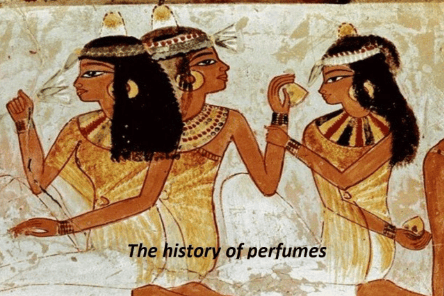
- Ancient Egypt is considered one of the earliest centres of perfumery, with incense blends like kyphi used in temples and rituals.
- Distillation — perfected in the Islamic Golden Age — transformed perfumery by enabling liquid fragrance extraction.
- Modern perfumery shifted dramatically in the 19th century with synthetic aromachemicals like coumarin and aldehydes.
For centuries, perfume has been more than a scent — it has been a marker of power, privilege, and identity. Its story begins in ancient civilizations, where aromatic oils were reserved for rituals, royalty and the elite. But it was in the royal courts of Europe that fragrance truly became a symbol of status.
In Renaissance and Baroque courts, perfume functioned as both luxury and strategy. Monarchs such as Catherine de’ Medici and Louis XIV used fragrance to project authority, refinement and cultural dominance. Perfumed gloves, scented rooms and elaborate personal blends signalled wealth and influence. Access to rare ingredients — ambergris, musk, exotic resins — reinforced the hierarchy: only the powerful could afford such extravagance.
By the 18th and 19th centuries, perfumers began crafting signature scents for aristocrats and emerging social elites. Fragrance became a language of taste, distinguishing those who understood luxury from those who merely aspired to it. The rise of modern perfumeries in Paris transformed scent from courtly privilege into an early form of brand identity.
The 20th century marked the shift from status symbol to cultural icon. Houses like Chanel, Guerlain, and Dior turned perfume into storytelling — packaging, advertising and associations elevated fragrance into a modern luxury category. A bottle became a lifestyle, a persona, a brand.
Today, perfume remains one of the most enduring expressions of status. Whether niche, couture, or mass‑prestige, fragrance continues to communicate identity, aspiration, and the timeless desire to be remembered by scent.
I’m Stacey Hobbs, thanks for reading Face by Stace! Until next time.
do you feel fabulous today?

