Teenage fashion made an appearance in the 1950s, however it didn’t appear; it erupted onto the scene. Arguable teenage fashion began it’s experimentation before erupting in the 1940s with the Frank Sinatra phenomenon, before it erupted in the following decade to come. Before the 1940s, young people dressed like miniature adults, mirroring their parents’ wardrobes and social expectations. But as the world shifted through war, prosperity, music and media, a new identity emerged: the teenager. Teenager is a demographic with its own desires, spending power and cultural influence.
From Uniformity to Individuality
During the Second World War, rationing shaped clothing choices for everyone. Young women learned to sew, mend and personalize what little they had. This ingenuity planted the earliest seeds of youth-driven style, which comprised of cuffed sleeves, shortened hems, playful hair ribbons and saddle shoes.
By the late 1940s and early 1950s, rising post-war prosperity created something revolutionary. For the first time, teens weren’t just considered as children; they were consumers. And the fashion industry took noticed, before other industries.
The 1950s: A New Market Is Born

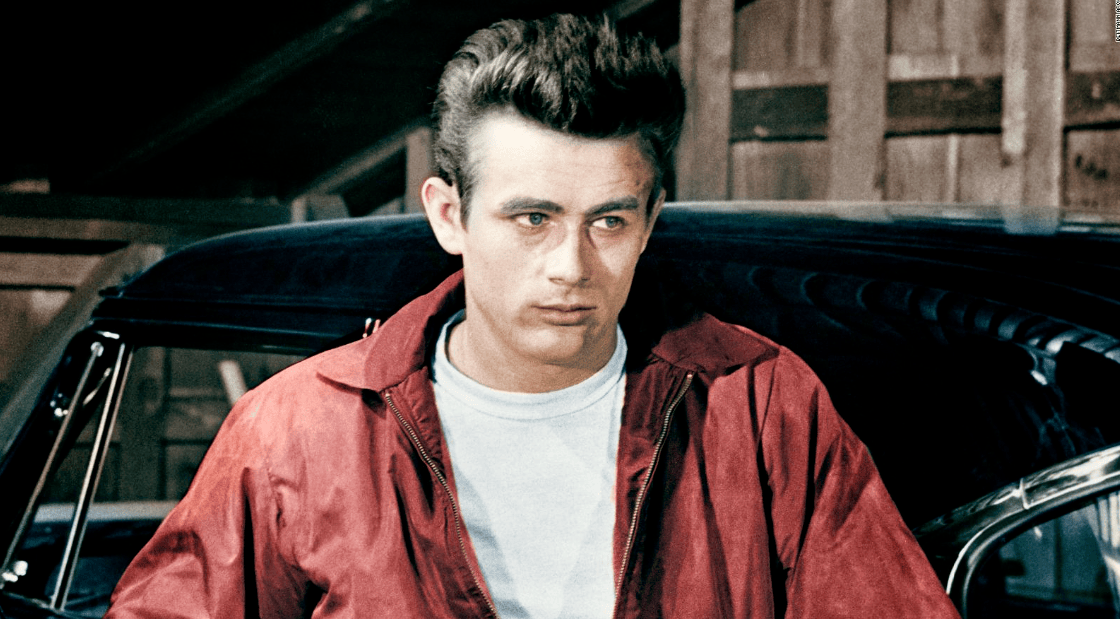
Hollywood amplified this shift with actors like James Dean (Rebel Without a Cause) and Sandra Dee didn’t just act, they modelled a lifestyle. Denim, leather jackets, circle skirts, cardigans, bobby socks… these were considered as teenage clothes of the 50s. They were symbols of freedom, rebellion, romance and belonging.
Magazines followed. So did advertisers. So did department stores. Suddenly, “teen style” wasn’t a fringe idea—it was a booming industry.
The 1960s: Youth Culture Takes Over


By the time the 1960s rolled around, teenagers weren’t just influencing fashion, they were leading it. London’s Mod scene, California’s surf culture and the global rise of popular music created a visual language that belonged entirely to the young.
- Mini skirts signaled liberation.
- Bold prints and bright coloursreflected optimism and experimentation.
- Twiggy, crowned “The Face of 1966,” embodied the era’s new aesthetic—wide-eyed, modern and un-mistakably youthful.
- Counter-culture movements pushed boundaries even further, embracing handmade, bohemian and psychedelic styles.
Youth wasn’t a phase anymore. It was a cultural force.
Why Teenage Fashion Mattered
Teen fashion re-shaped much more than closets, it re-shaped the identity of the youth. It gave young people a way to express independence, challenge norms and build communities. It democratized style, making it accessible, playful and deeply personal.
The fashion industry had changed forever once the teenager era had arrived. Designers began transforming their mentality by having youth on the mind. Retailers built entire departments around them. The press followed the tastes of the teenagers. Trends flowed upward—from the street to the runway—not the other way around. Teens began being something of an influence to designers.
The Legacy Today
Every trend cycle we see now—Y2K revivals, sneaker culture, TikTok micro‑aesthetics—traces back to that moment when teenagers first claimed fashion as their own. The idea that style can be expressive, rebellious, experimental, or simply fun? That began here.
Teenage fashion wasn’t jsut born, it became a phenomenon in its own right. It re-defined what fashion could be.
I think I may re-watch a Rebel Without a Cause, how about you?
I’m Stacey Hobbs, thanks for reading. Until next time!
do you feel fabuloous today?
 Face by Stace