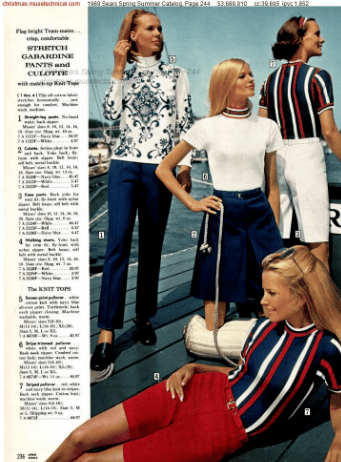
American sportswear wasn’t “invented” in a single moment. American sportwear evolved out of a cultural shift. In the early 20th century, as American women embraced mobility, independence and modern life, a new category of clothing emerged. Practical, stylish, mix‑and‑match separates designed for real living. It was the opposite of Parisian couture’s formality. It was functional and distinctly American.


A Break from European Tradition
America was ready to branch away from the traditional European styling, to develop its own distinct fashion that would and will be easily identifiable for decades to come, leaving the world to follow suit to embrace this new genre of fashion, a new form of comfort, of practicality and function.
Before sportswear, fashion followed a rigid hierarchy. Couture houses dictated silhouettes; women followed. But the American lifestyle, which was faster, more casual, more outdoorsy, demanded something different. Designers began creating clothes that reflected how women actually moved through their day, commuting, working, socializing, travelling.
This shift wasn’t about rebellion; oh no, it was all about reality.
The Designers Who Defined the Movement
Several pioneering designers shaped what we now call American sportswear. These pioneers include, but not limited to:
- Claire McCardell
The architect of modern American style. She introduced ballet flats, popover dresses, pockets, denim for daywear and the idea that clothes should empower women, not restrict them. - Bonnie Cashin
Known for layering, leather trim and the iconic “car coat.” She blended utility with elegance long before street style existed. - Norman Norell
Refined simplicity, elevating separates into chic, wearable luxury. - Anne Klein
Championed the coordinated wardrobe, making it easy for women to build outfits that worked across seasons and settings.
These designers didn’t imitate Europe; they built a new vocabulary, a new genre, if you will.
The Rise of Ready‑to‑Wear
Ready-to-Wear really began with Yves Saint Laurent, who had introduced this category of fashion in the 1970s, however it was American sportswear that embraced it and elevated it perfectly with America’s booming ready-to-wear industry. Unlike couture, which relied on custom fittings, sportswear was designed to be produced at scale, sold off the rack, mixed and matched and worn without fuss,
Women could curate personal style without needing couture budgets or couture lifestyles.
Cultural Forces That Made Sportswear Possible
- Women entering the workforce.
Clothing needed to be practical and polished. - Leisure culture.
Tennis, golf, seaside vacations and weekend escapes shaped silhouettes. - Automobile culture.
Coats, separates, and easy layers became essential. - Hollywood.
Stars wore relaxed, modern clothes that resonated with everyday women.
Sportswear wasn’t just a fashion category, it was a reflection of American identity; optimistic, mobile and modern.
Today’s wardrobes, which includes capsule closets, elevated basics, athleisure, quiet luxury are all descendants of early American sportswear. The idea that clothing should be functional, comfortable, versatile and stylish without effort is now a global standard. However, it all began with American sportswear, beginning between the 1910s and 1940s.
American sportswear didn’t just have an impact on the evolution in how women dressed; it changed how women lived.
I’m Stacey Hobbs, thanks for reading. Until next time!
do you feel fabulous today?
 Face by Stace