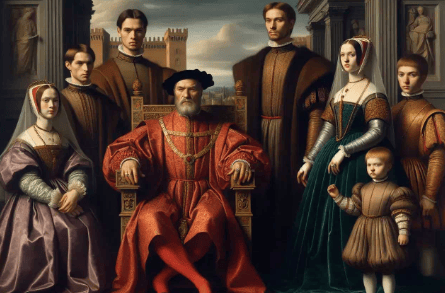
Long before luxury houses crafted identities through logos, ateliers, and heritage storytelling, the Medici family of Renaissance Florence had already written the guide to luxury. Their power was not expressed through excess but through aesthetic authority — a fusion of art, patronage and cultural influence that still shapes modern luxury branding.
The Medici understood that beauty was political. By commissioning artists like Botticelli, Michelangelo, and Vasari, they transformed Florence into a visual manifesto of refinement and prestige. Their palaces, portraits and public works functioned as early brand campaigns: controlled imagery designed to communicate stability, sophistication and divine favour. In essence, the Medici turned art into identity — a strategy luxury houses now use to cultivate myth and exclusivity.
Modern brands use this legacy. Houses like Gucci, Ferragamo, and Pucci — all Florentine — draw on the city’s Medicean heritage of craftsmanship, artistry and cultural capital. Even global luxury giants adopt Medici‑style tactics: commissioning artists, staging grand architectural spaces and weaving historical narratives into their brand DNA. The Medici taught the world that luxury is not merely material; it is symbolic, experiential and deeply tied to cultural storytelling.
Their influence endures in the way luxury brands position themselves as patrons of the arts, guardians of heritage and arbiters of taste. The Medici didn’t just shape Renaissance culture — they shaped the modern concept of luxury itself.
Their legacy is the idea that beauty, when strategically curated, becomes power.
I’m Stacey Hobbs, thanks for reading Face by Stace! Until next time.
do you feel fabulous today?

