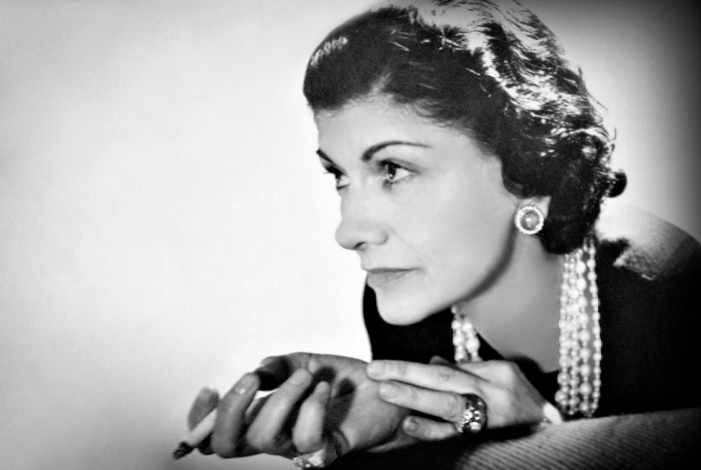
Long before Gabrielle Chanel became the architect of modern fashion, she was a young woman standing on café tables, singing playful cabaret songs to small crowds in Moulins. It was here, not in couture, not in society salons, that she became “Coco.” The name was not bestowed by aristocrats or clients; it was born from performance, humour and a touch of theatrical bravado.
In the early 1900s, Chanel worked as a seamstress by day and performed in local cafés by night. Her repertoire included two lighthearted songs: “Ko Ko Ri Ko” and “Qui qu’a vu Coco?” Audiences, amused by her spirited delivery, began calling her “Coco,” a nickname that blended the titles of her songs with the flirtatious energy she projected on stage. Chanel later claimed the name came from “cocotte,” a term for a kept woman — but this was typical of her habit of re-writing her own mythology, history of her past life. The cabaret origin is the historically supported one.
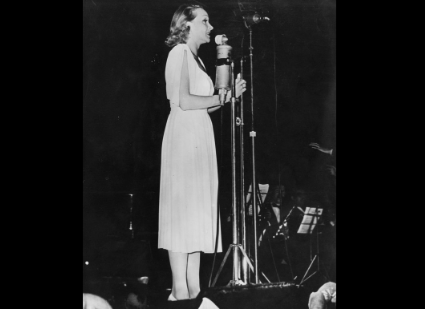
The nickname stuck because it suited her. “Coco” was bold, modern and memorable — a name that carried confidence and charm. It separated her from her past at Aubazine and from the anonymity of seamstress work. It became her persona, her brand and eventually her empire.
By the time she opened her first boutique in 1910, “Coco” was no longer a stage name; it was an identity. It captured the essence of the woman who would redefine elegance: playful yet disciplined, rebellious yet refined, a creator who understood that style begins with character.
I’m Stacey Hobbs, thanks for reading Face by Stace! Until next time.
do you feel fabulous today?

