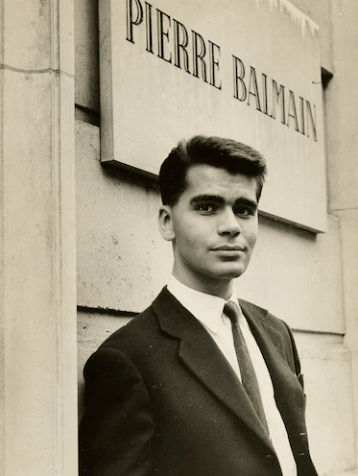
When Karl Lagerfeld took over Chanel in 1983, the house was on life support. Coco Chanel had died twelve years earlier, and the brand was frozen in time — respected, but irrelevant. The tweed suit, the camellia, the pearls, the quilted bag: all iconic, all dated. Younger women saw Chanel as their grandmother’s wardrobe. The house needed not preservation, but shock. Lagerfeld delivered it.
Karl understood something crucial: Chanel’s codes were powerful, but they were stagnant. His genius was not reinvention — it was re-animation. He treated Chanel’s heritage like raw material, slicing it apart, exaggerating it, parodying it and stitching it back together with modern energy. He took the tweed suit and made it short, sharp, and flirtatious. He turned the camellia into a graphic emblem. He layered pearls with punk‑like excess. He transformed the quilted bag into a global status symbol.
Lagerfeld’s first collections were electric. He infused Chanel with humor, irreverence, and youth. He understood that Coco herself had been rebellious — so he made the brand rebellious again. He introduced denim, leather, bold logos, and unapologetic glamour. He revived couture with architectural jackets, sculptural skirts, and modern silhouettes that honored Chanel’s discipline while breaking every rule she never had the chance to break.
Most importantly, Karl rebuilt Chanel as a cultural force. Under his leadership, Chanel became synonymous with modern luxury, celebrity influence, and global desirability. He expanded accessories, beauty, and ready‑to‑wear into powerhouse categories. He made the double‑C logo one of the most recognizable symbols in the world.
Karl Lagerfeld didn’t save Chanel by protecting it. He saved it by provoking it — and in doing so, he resurrected a legend.
I’m Stacey Hobbs, thanks for reading Face by Stace! Until next time.
do you feel fabulous today?

