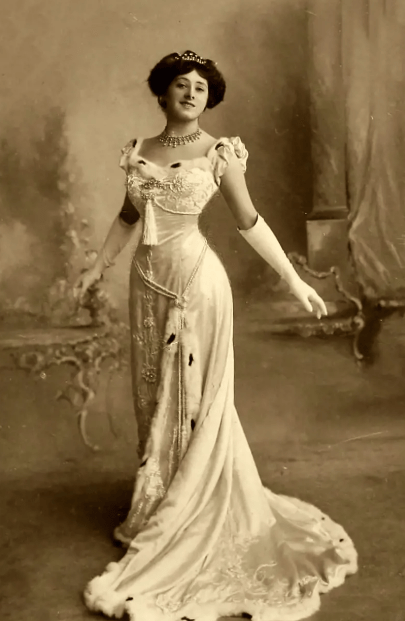
I love classical arts. I already broke out discussing some of makeup’s classic looks that were curated by a few of these ballets. My first ballet I had seen was Swan Lake. I love Romeo and Juliet; Cinderella; Sleeping Beauty; Ninjinsky; of course The Nutcracker I have seen yearly, it is a tradition to watch during the Christmas season; Apollo by Igor Stravinsky; , So, how about discussing the opera?
Opera was the world’s first runway. Long before couture salons or fashion weeks, opera houses shaped how society understood glamour, silhouette and spectacle. The stage demanded drama: sweeping gowns, architectural shapes, and colours that communicated emotion from the balcony. Designers studied opera because it taught them how clothing behaves under movement, heat and light.
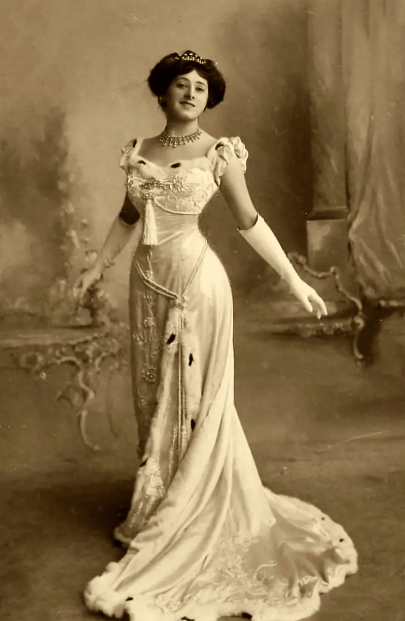
In the 19th century, opera costumes were couture before couture existed. Charles Frederick Worth analyzed operatic proportions to build his own silhouettes. Paul Poiret borrowed operatic exoticism and theatrical fantasy. Dior’s New Look echoed the grandeur of operatic skirts, while Balenciaga’s sculptural volumes carried the same architectural discipline seen in Spanish opera traditions.
But opera wasn’t only about the performers. The audience was part of the show. Women arrived in silk gowns, jewels, gloves and elaborate hair. Men wore formal evening dress. The opera box became a social display case — a proto‑runway where fashion was performed, judged and admired. Luxury houses watched closely; opera taught them that clothing is not just worn, but displayed.
Opera created the blueprint for modern fashion presentation: narrative, spectacle, character and emotional architecture. Karl Lagerfeld understood this deeply. His runway sets — supermarkets, brasseries, beaches — were contemporary opera productions, complete worlds built to amplify Chanel’s cultural power.
Opera didn’t just influence fashion. It built the kind of luxury we know today.
I’m Stacey Hobbs, thanks for reading Face by Stace! Until next time.
do you feel fabulous today?

