The 1950s marked one of the most dramatic eras in hair‑technology history — a decade when permanent wave machines, salon gadgets, and futuristic beauty devices captured the public imagination. After the austerity of the 1940s, women embraced glamour, structure, and highly styled hair and the permanent wave became the centrepiece of that transformation.
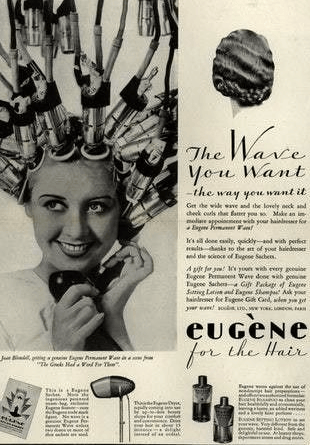
Permanent wave machines had existed since the 1920s, but the 1950s brought refinement, accessibility and mass cultural fascination. Salons displayed towering chrome machines with dangling electrical cords and heated rods, promising long‑lasting curls that aligned with the decade’s polished aesthetic. These machines were symbols of modernity: part science, part spectacle, and entirely tied to the era’s vision of feminine perfection.
Magazines and advertisements showcased women seated beneath elaborate waving apparatuses, smiling as stylists monitored timers and temperature gauges. The process was still intense — heat, tension, and chemical solutions — but the results delivered the structured curls and soft waves that defined mid‑century beauty. The “home permanent” also exploded in popularity, allowing women to recreate salon results with kits from brands like Toni, Lilt, and Ogilvie.
The obsession wasn’t just about hair; it reflected the decade’s faith in technology. Beauty was becoming mechanised, modern and aspirational. Permanent wave machines symbolised progress, convenience, and the promise of transformation — a way for everyday women to access Hollywood‑level glamour.
By the late 1950s, safer formulas and improved tools began replacing the dramatic machines, but their legacy remains. They represent a moment when beauty, engineering, and cultural desire converged — and when the permanent wave became a defining icon of the decade.
I’m Stacey Hobbs, thanks for reading Face by Stace! Until next time.
do you feel fabulous today?

