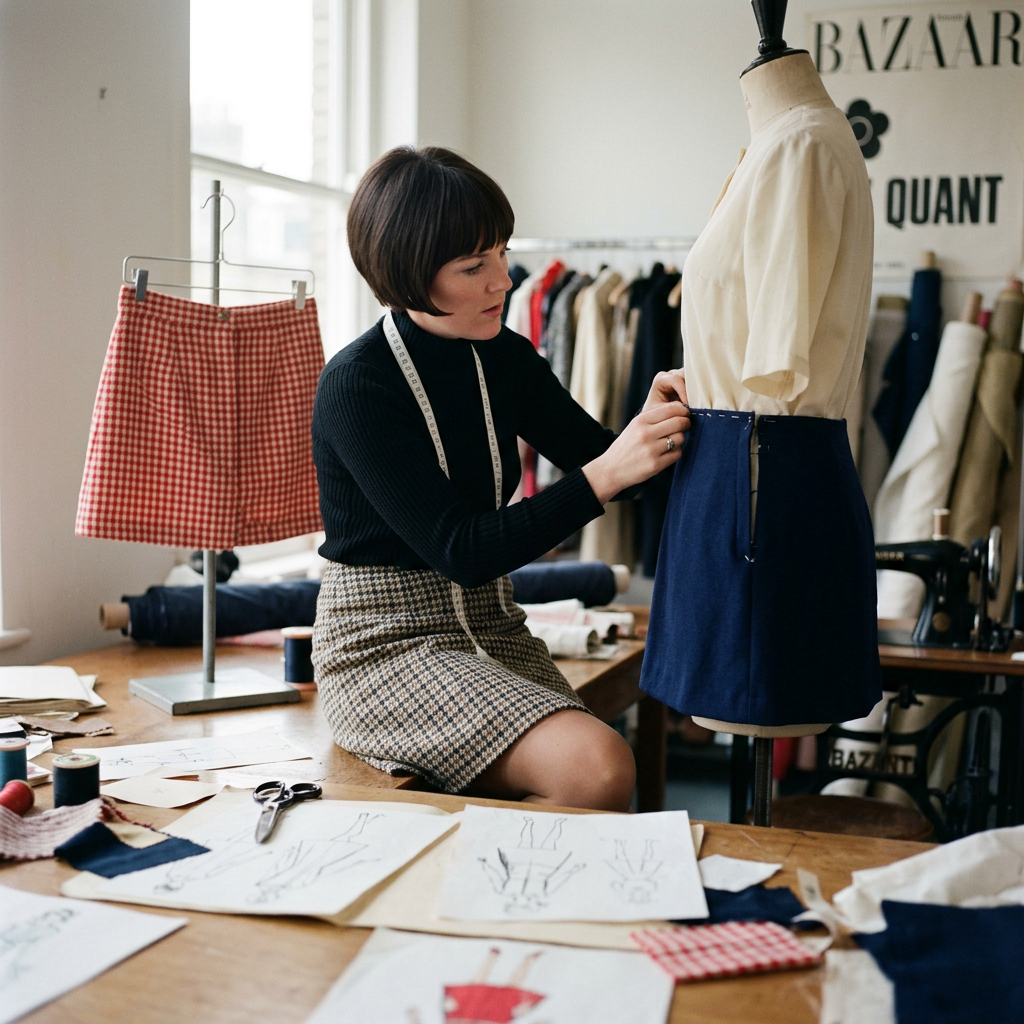
The 1960s transformed fashion forever, and at the centre of that revolution was Mary Quant. A British designer with a fresh, youthful vision, Quant helped redefine what women wore and how fashion was created. Instead of looking to aristocrats or Hollywood stars for inspiration, she designed for a new generation eager to express itself.
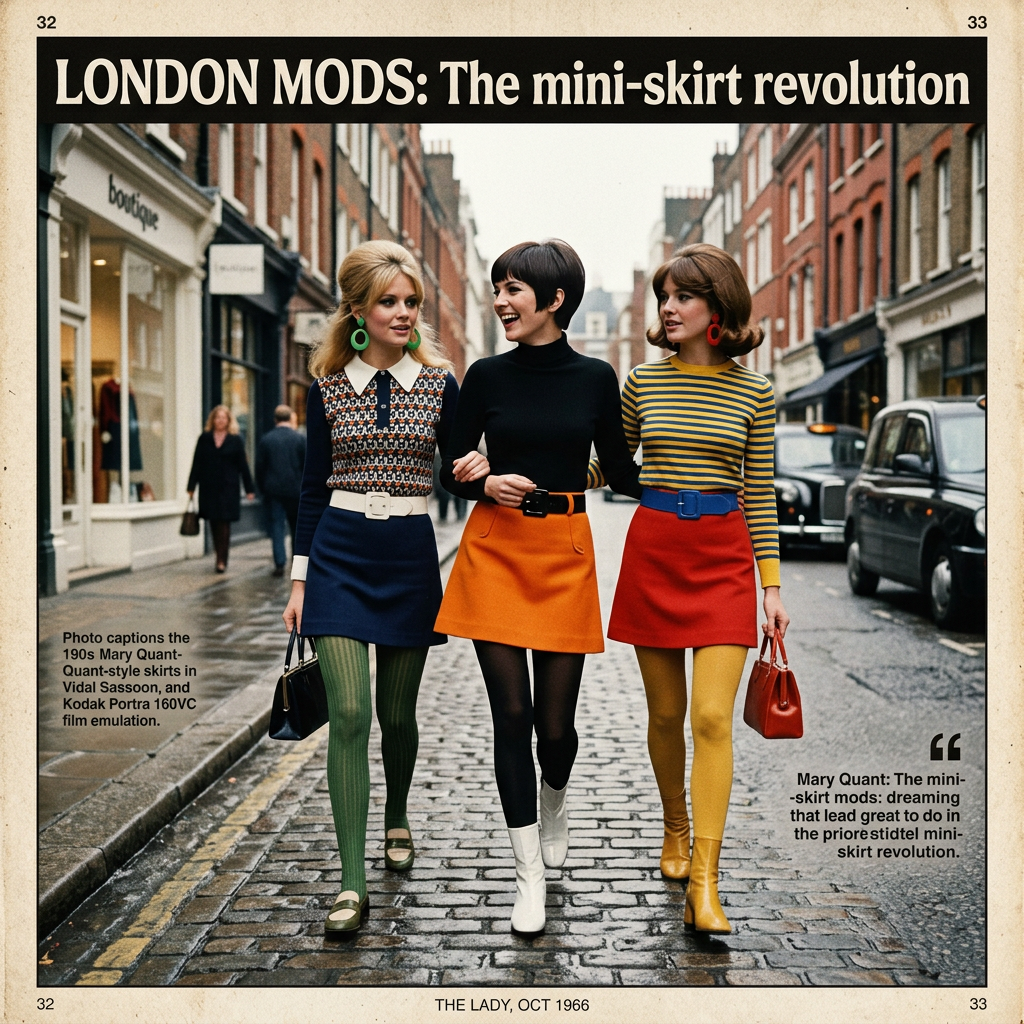
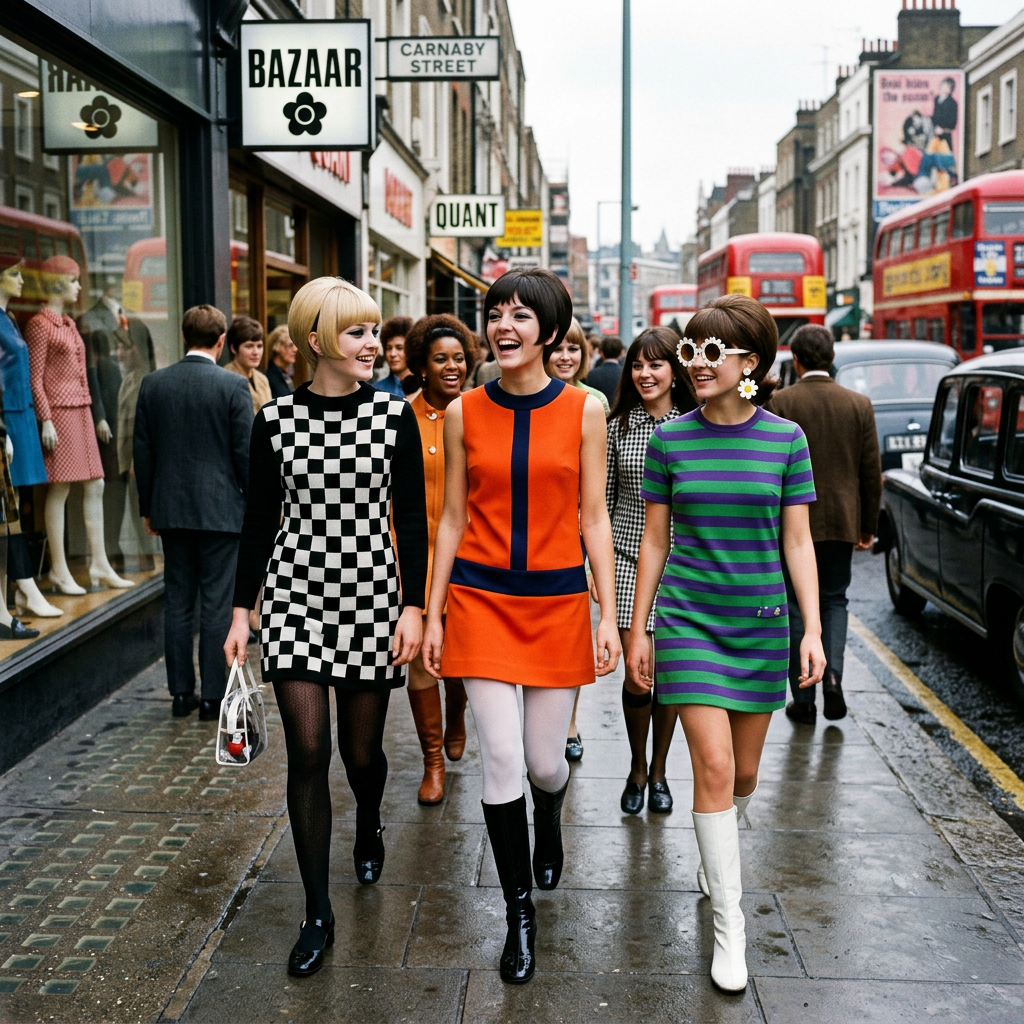
Her rise coincided with a cultural phenomenon known as “Youthquake,” a term coined by fashion editor Diana Vreeland to describe the growing influence of youth on fashion, beauty, music, and popular culture. For the first time, young people were driving trends instead of following them.
Mary Quant became famous for embracing shorter hemlines, bold colours, simple shapes, and playful designs. Her boutiques offered affordable, modern clothing that reflected the energy of London’s Swinging Sixties. The mini skirt, often associated with Quant, became a symbol of freedom, confidence, and youthful optimism.
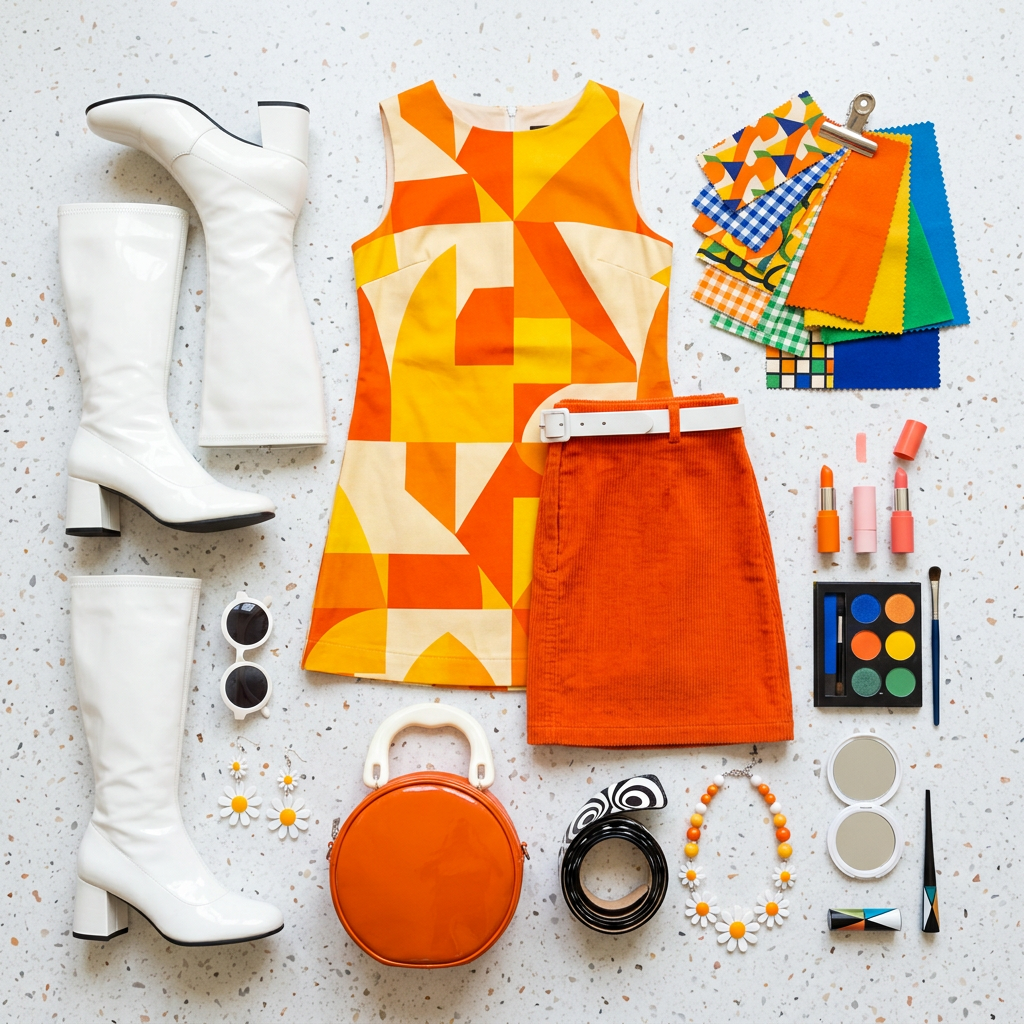
Youthquake fashion rejected the structured elegance of the 1950s. Instead, it celebrated:
- Mini skirts
- Shift dresses
- Colour blocking
- Geometric prints
- White go-go boots
- Bold accessories
The movement also influenced beauty. Heavy glamour gave way to Mod makeup, graphic eyeliner, dramatic lashes, and fresh, youthful hairstyles. Icons such as Twiggy helped bring the look to audiences around the world.
What made Youthquake revolutionary was its attitude. Fashion became fun, accessible, and democratic. Young women could experiment with personal style in ways previous generations had not.
The legacy of Mary Quant and the Youthquake movement can still be seen today. Every mini skirt, playful print, and fashion trend driven by youth owes something to the cultural shift that began in the 1960s.

