Opera shaped the architecture of fashion long before couture existed. Onstage, silhouette wasn’t decoration, it was storytelling. Costumes had to communicate character, emotion, and status from the back row of the theatre. This demand for clarity created the foundations of modern couture: volume, proportion, structure and movement. In the 19th century, opera costumes were engineeringContinue reading “Opera Silhouettes & Couture Architecture”
Tag Archives: fashion history
Opera Archetypes & Fashion Femininity
Opera created the feminine archetypes that fashion still relies on today. Long before designers crafted runway narratives, opera defined the emotional roles women performed through silhouette, gesture, and beauty. These archetypes became the blueprint for couture storytelling. The Tragic Heroine — Violetta, Tosca, Mimi — embodied fragility, sacrifice and romantic suffering. Her costumes were soft,Continue reading “Opera Archetypes & Fashion Femininity”
Maria Callas: The First Modern Beauty Icon
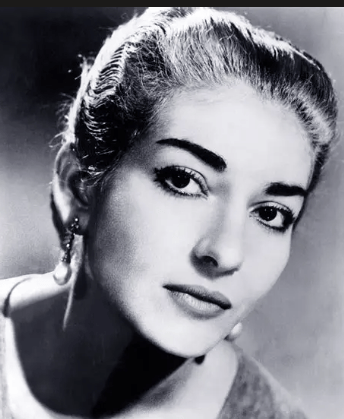
Maria Callas wasn’t just an opera singer — she was the first woman to merge performance, beauty and fashion into a single, un-forgettable identity. Long before celebrity beauty culture existed, Callas shaped how women understood glamour, presence and the power of a sculpted face. Callas’s beauty was architectural. Her sharply defined brows created instant drama.Continue reading “Maria Callas: The First Modern Beauty Icon”
Opera as the Original Runway
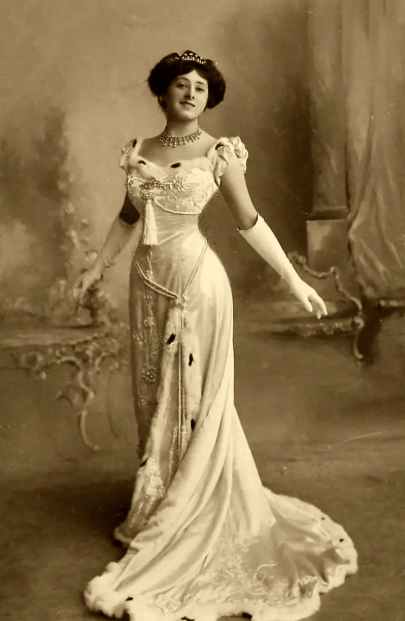
I love classical arts. I already broke out discussing some of makeup’s classic looks that were curated by a few of these ballets. My first ballet I had seen was Swan Lake. I love Romeo and Juliet; Cinderella; Sleeping Beauty; Ninjinsky; of course The Nutcracker I have seen yearly, it is a tradition to watchContinue reading “Opera as the Original Runway”
Dior: Superstition, Psychics & the Invisible Architecture of His Creativity
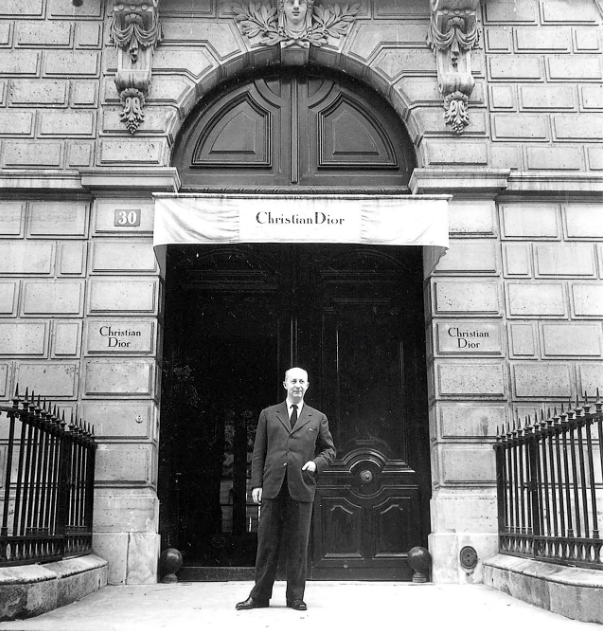
Christian Dior was not merely a couturier; he was a man guided by omens, symbols, and the unseen. Beneath the discipline of his silhouettes and the elegance of his salons lay a deep, lifelong superstition. Dior believed in signs. He trusted intuition. And he relied on psychics, tarot readers and numerologists with the same seriousnessContinue reading “Dior: Superstition, Psychics & the Invisible Architecture of His Creativity”
Karl Lagerfeld: Resurrecting Chanel (1983)
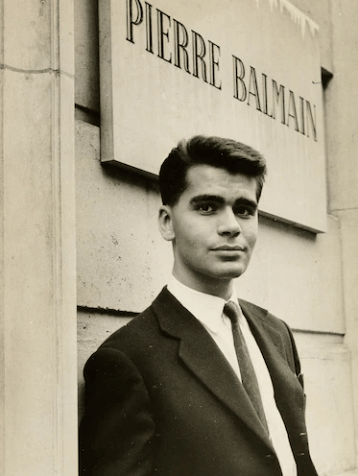
When Karl Lagerfeld took over Chanel in 1983, the house was on life support. Coco Chanel had died twelve years earlier, and the brand was frozen in time — respected, but irrelevant. The tweed suit, the camellia, the pearls, the quilted bag: all iconic, all dated. Younger women saw Chanel as their grandmother’s wardrobe. TheContinue reading “Karl Lagerfeld: Resurrecting Chanel (1983)”

