Cabbage has one of the oldest wellness resumes in human history. Ancient Greeks and Ancient Romans used it as both food and medicine, believing it strengthened the body before feasts and restored vitality after them. In mediaeval Europe, cabbage was a cornerstone of Winter survival, valued for its ability to store well and nourish skin during harsh seasons.
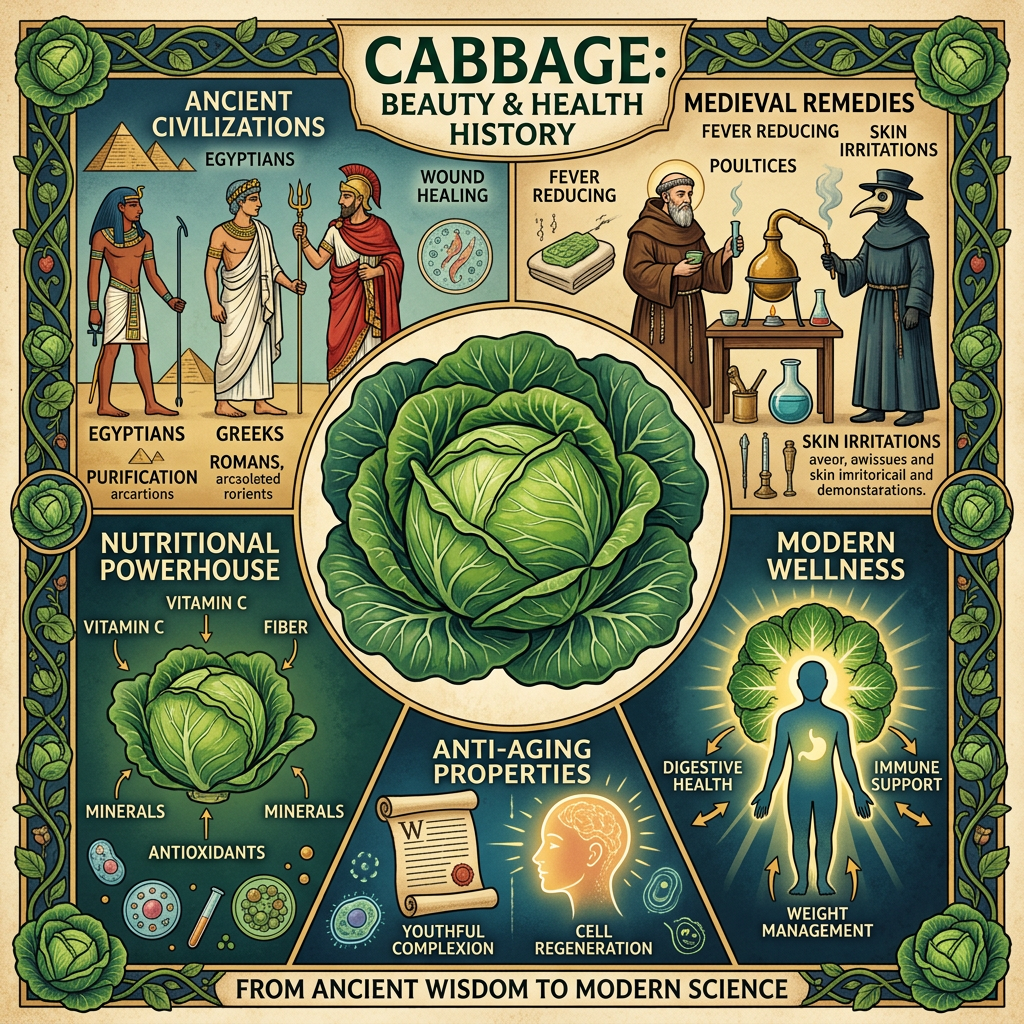
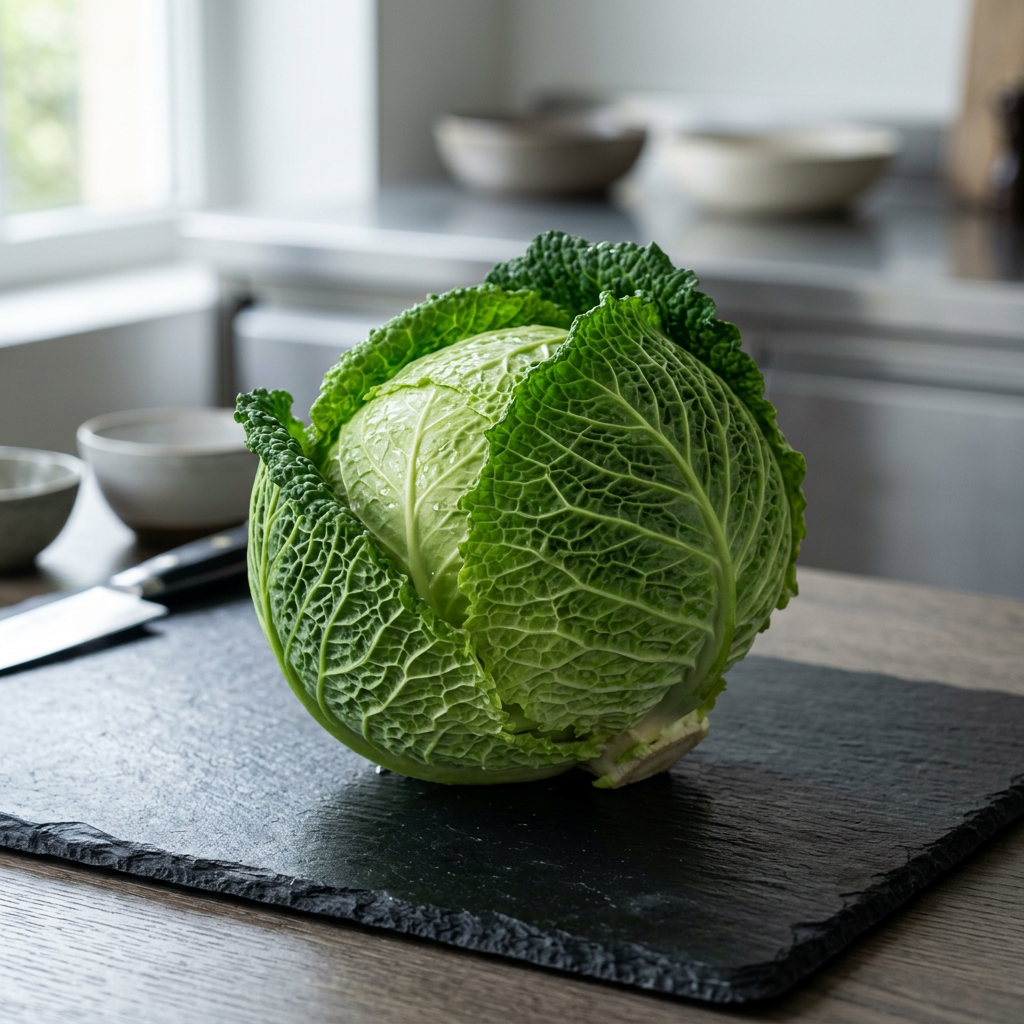
Historically, healers used cabbage leaves as poultices for inflammation, swelling and skin irritation. Its naturally high vitamin C content made it a quiet beauty ally long before modern skincare recognised antioxidants. Eastern European traditions also relied on cabbage for digestive health — a foundation for clear, balanced skin.
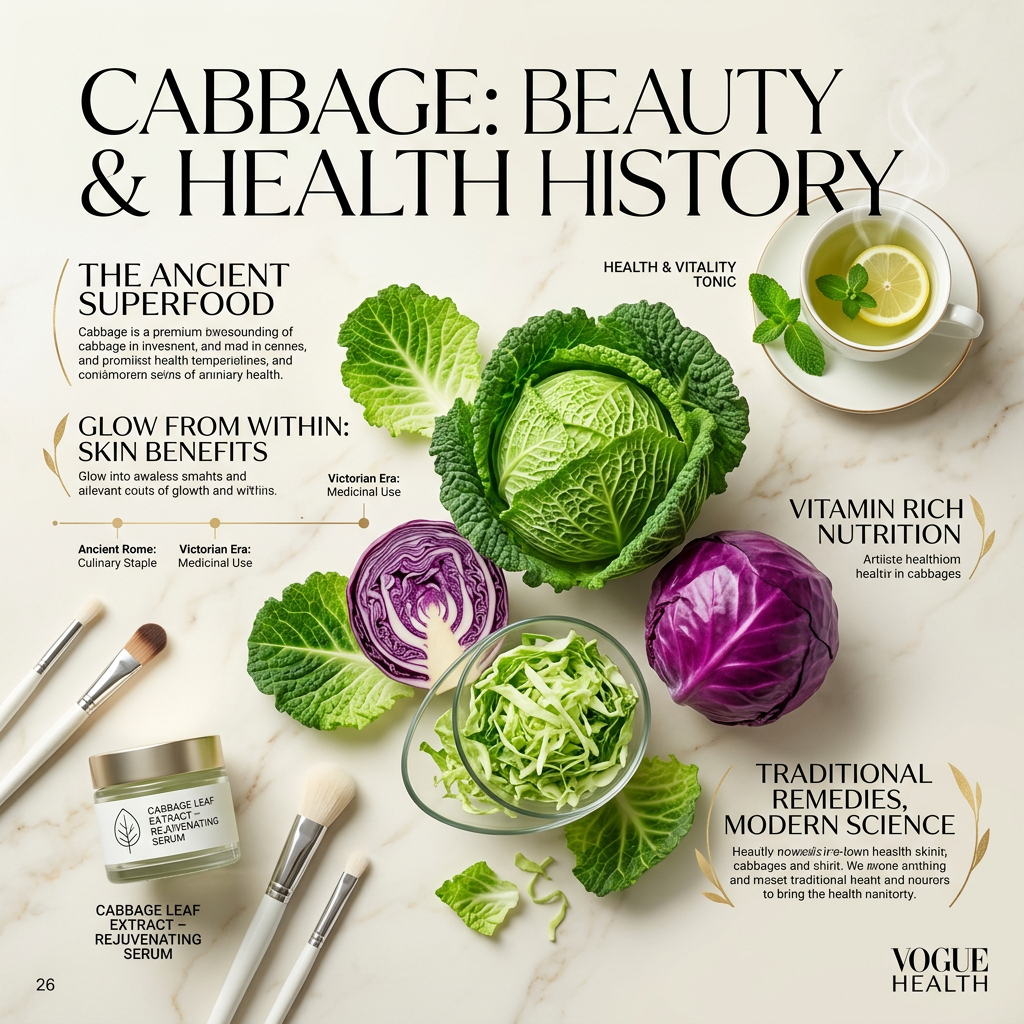
Today, cabbage is celebrated for its vitamin K, vitamin C, sulphur compounds, and antioxidants, all supporting collagen, brightness, and skin repair. Its fermented form, sauerkraut, adds probiotics that help gut‑skin harmony. Cabbage’s beauty legacy is simple: humble, hearty, and deeply restorative.
I’m Stacey Hobbs, thanks for reading Face by Stace! Until next time.
do you feel fabulous today?

