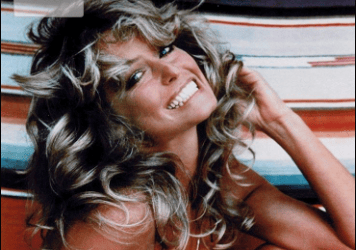
There are certain beauty moments that don’t just define an era — they crystallize it. Farrah Fawcett’s feathered hair, that sun‑lit halo of movement and ease, remains one of the most recognizable beauty signatures of the 1970s. It wasn’t simply a hairstyle; it was a cultural mood, a declaration of freedom, athleticism, and California‑coast nonchalance.Continue reading “Get the Look: Farrah Fawcett’s “No-Brush” Feathered Flounce”
Author Archives: Stacey Hobbs
YSL: The Birth of Le Smoking (1966)
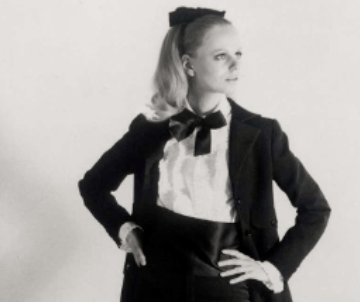
When Yves Saint Laurent introduced Le Smoking in 1966, he wasn’t simply designing a garment, he was re-writing the visual language of modern femininity. The tuxedo, long considered an exclusive symbol of masculine power, was re-engineered through Saint Laurent’s architectural eye: sharp lines, elongated proportions, and a deliberate tension between structure and sensuality. Le SmokingContinue reading “YSL: The Birth of Le Smoking (1966)”
YSL + The 1970s: Opium, Excess and Glamour
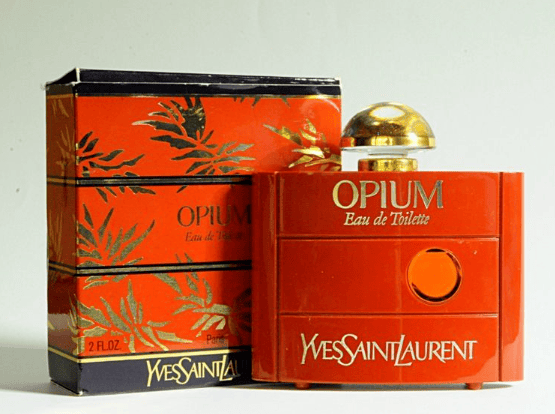
The 1970s were Yves Saint Laurent’s most decadent decade — a period defined by excess, sensuality, and a new kind of glamour that blurred the line between fashion, nightlife, and fantasy. If the 1960s established Saint Laurent as a revolutionary designer, the 1970s crowned him as a cultural force. His work didn’t just reflect theContinue reading “YSL + The 1970s: Opium, Excess and Glamour”
25 Forgotten Beauty Secrets Women Loved in the 1970s
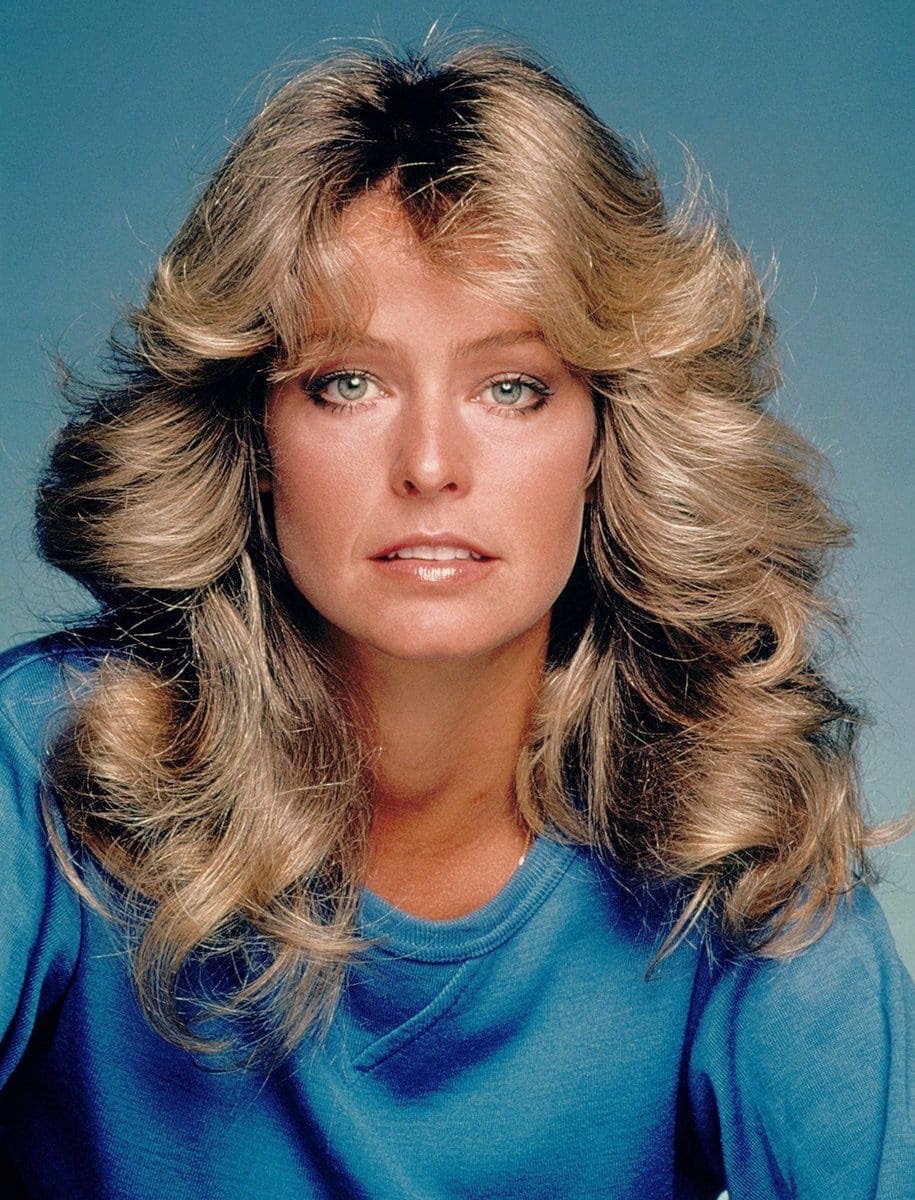
1. Cold cream as an all‑in‑one ritual.Women in the 1970s swore by cold cream as a universal beauty staple — cleanser, moisturizer, night mask, and makeup remover in one. It wasn’t just a product; it was a nightly ritual of massaging the skin until it felt warm, soft, and nourished, a practice that modern skincareContinue reading “25 Forgotten Beauty Secrets Women Loved in the 1970s”
Section 4: Post‑War Settlement and the Modern Chanel Empire
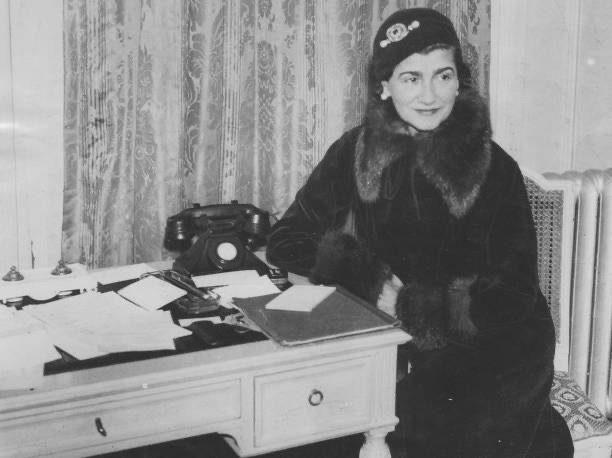
When the war ended in 1945, the balance of power between Chanel and the Wertheimers shifted decisively. Chanel returned to a France re-building itself, but her attempt to seize Parfums Chanel had left a trail of legal complications and reputational strain. The Wertheimers, meanwhile, had survived the war with their business intact — protected byContinue reading “Section 4: Post‑War Settlement and the Modern Chanel Empire”
The Little Black Dress: Chanel’s Revolution
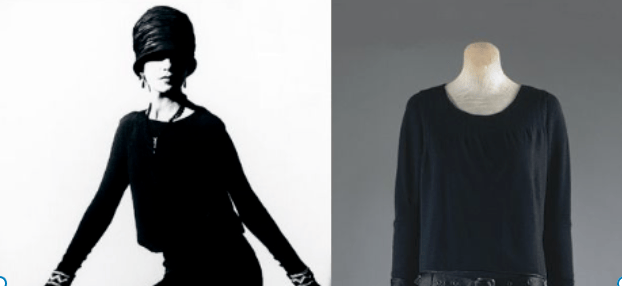
When Chanel introduced the little black dress in 1926, she wasn’t creating a trend. She was creating a language. Black, until then, belonged to mourning, uniforms, and the margins of fashion. It was not a colour of glamour, not a colour of modernity, not a colour a woman chose for herself. Chanel changed that withContinue reading “The Little Black Dress: Chanel’s Revolution”

