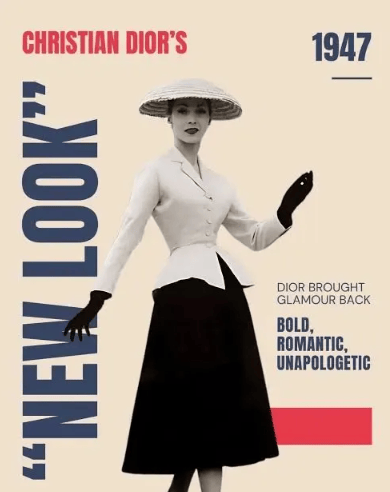
The postwar fashion boom was not merely a return to luxury — it was a clash of philosophies that reshaped modern couture. At the centre of this transformation stood two titans: Christian Dior, who revived romance with his revolutionary New Look, and Cristóbal Balenciaga, whose architectural purism re-defined silhouette, structure and restraint. Their opposing visionsContinue reading “The Postwar Fashion Boom: Dior’s New Look vs. Balenciaga’s Architectural Purism”
Author Archives: Stacey Hobbs
Doris Day: Her Monthly Vaseline Body Routine
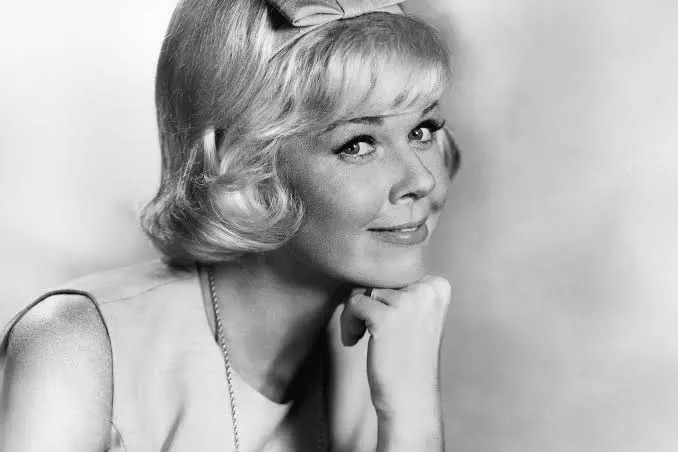
Doris Day’s beauty philosophy was famously simple — clean skin, minimal makeup and a sunny glow that felt effortless. But tucked inside her autobiography is one of the most surprising Old Hollywood beauty routines ever recorded: her monthly Vaseline body treatment. It wasn’t glamorous, it wasn’t scented and it wasn’t sold by any studio. ItContinue reading “Doris Day: Her Monthly Vaseline Body Routine”
Florence: The Cradle of Luxury Craftsmanship
Florence’s reputation as the heart of luxury craftsmanship didn’t emerge by accident — it was built over centuries of artistic discipline, guild tradition and cultural prestige. During the Renaissance, Florentine artisans established standards of excellence that still define luxury today. Goldsmiths, leatherworkers, textile makers, and stone carvers formed powerful guilds that regulated quality, protected techniques,Continue reading “Florence: The Cradle of Luxury Craftsmanship”
The Birth of the Fashion House: From Atelier to Empire
The modern fashion house began as a humble atelier — a workshop where garments were crafted by hand, one client at a time. But in the late 19th and early 20th centuries, visionary designers transformed these ateliers into cultural empires. Charles Frederick Worth led the shift, elevating dressmaking from a trade to an authored artContinue reading “The Birth of the Fashion House: From Atelier to Empire”
How Renaissance Patronage Became Modern Brand Strategy
Renaissance patronage wasn’t simply art sponsorship; it was strategic image‑building. Families like the Medici used art, architecture, and public works to craft narratives of power, refinement, and cultural authority. Their commissions functioned like early brand campaigns — controlled visuals designed to shape public perception. Modern luxury houses follow the same playbook. Brands commission artists, collaborateContinue reading “How Renaissance Patronage Became Modern Brand Strategy”
Doris Day’s Cultural Impact: The Power of Wholesome Glamour
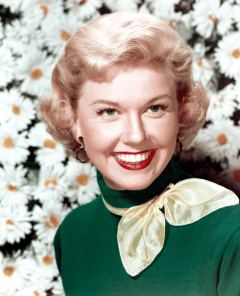
Doris Day’s wholesome glamour didn’t just define her career it shaped the cultural imagination of mid‑century America. At a time when Hollywood was crafting icons to represent national values, Day emerged as the embodiment of optimism, purity, and approachable femininity. Her cornflower‑blue eyes, soft blonde hair and immaculate wardrobe projected a vision of American womanhoodContinue reading “Doris Day’s Cultural Impact: The Power of Wholesome Glamour”

