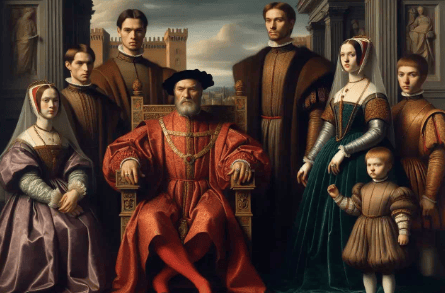
Long before luxury houses crafted identities through logos, ateliers, and heritage storytelling, the Medici family of Renaissance Florence had already written the guide to luxury. Their power was not expressed through excess but through aesthetic authority — a fusion of art, patronage and cultural influence that still shapes modern luxury branding. The Medici understood thatContinue reading “The Medici Legacy in Modern Luxury Branding”
Author Archives: Stacey Hobbs
Fashioning Innocence: Doris Day’s Wardrobe as Cultural Messaging
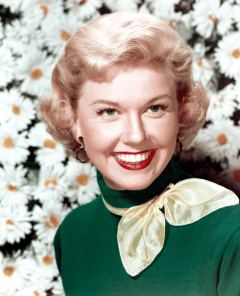
Doris Day’s wardrobe was never just clothing — it was cultural communication. Throughout the 1950s and early ’60s, Hollywood used her style to craft an image of innocence, optimism and approachable femininity. Day’s fashion projected a wholesome ideal that audiences instantly recognized: pastel dresses, pillbox hats, soft knits, tailored skirt suits, and playful pajamas thatContinue reading “Fashioning Innocence: Doris Day’s Wardrobe as Cultural Messaging”
The Birth of Haute Couture: Worth, Poiret, and the Rise of the Designer
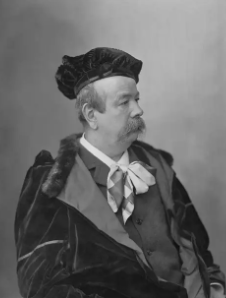
Haute Couture began not as an industry, but as a revolution — one led by designers who transformed dressmaking into an art form. In the mid‑19th century, Charles Frederick Worth reshaped fashion’s entire structure. Before Worth, women chose fabrics and commissioned anonymous seamstresses. Worth reversed the power dynamic. He designed the garment first, presented itContinue reading “The Birth of Haute Couture: Worth, Poiret, and the Rise of the Designer”
Doris Day vs. Marilyn Monroe: Two Sides of Mid‑Century Femininity
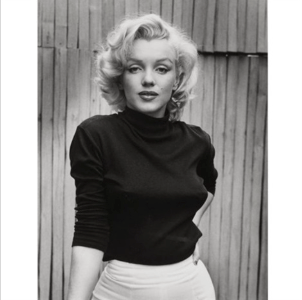
Mid‑century Hollywood offered audiences two visions of femininity, embodied perfectly by Doris Day and Marilyn Monroe. Though both were blonde, beloved, and bankable, their star images represented opposite ideals. Monroe was crafted as the sensual goddess — a figure of desire, fantasy, and erotic glamour. Day, by contrast, became the wholesome girl‑next‑door, radiating warmth, approachability,Continue reading “Doris Day vs. Marilyn Monroe: Two Sides of Mid‑Century Femininity”
How Hollywood Used Beauty to Shape Cultural Values
From the 1920s through the 1960s, Hollywood didn’t just entertain; it engineered the beauty look of American femininity. Beauty became one of its most powerful cultural tools. Studios crafted star images with meticulous precision — sculpted brows, flawless skin, lacquered lips — each detail designed to communicate who a woman should be and how sheContinue reading “How Hollywood Used Beauty to Shape Cultural Values”
Ingrid Bergman: The Woman Who Made Bare Skin Glamorous
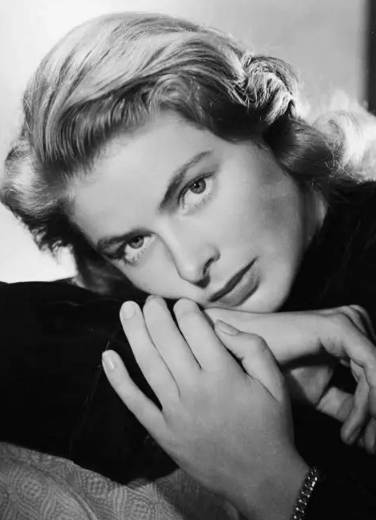
When Ingrid Bergman stepped into Hollywood, she didn’t arrive with the usual arsenal of glamour. No sculpting creams, no heavy pancake foundation, no brow stencils, no contour palettes. In fact, she arrived with no makeup kit at all — a detail that stunned Irene Selznick, who famously asked, “You mean you have nothing on yourContinue reading “Ingrid Bergman: The Woman Who Made Bare Skin Glamorous”

