Egg White Back Massage (Spa 1950s Ritual)

During the mid‑century beauty boom, egg whites weren’t just used for facials and cleansers — they also found their way into spa massage rituals. This treatment sounds unusual today, but in vintage beauty culture, egg whites were prized for their tightening, cooling, and soothing properties. When applied to the skin during a massage, they were believed to tone, refresh and stimulate circulation.

Spas and home beauty enthusiasts used lightly whipped egg whites as a glide medium for back massages. The texture created a smooth slip while offering a gentle cooling sensation. As the egg whites dried, they produced a subtle tightening effect that many women associated with firmer, more toned skin. Beauty columnists of the era often recommended this ritual for “reviving tired muscles” and “refreshing the complexion of the back,” especially before wearing summer dresses or swimwear.

Some variations added lemon juice or witch hazel for extra astringency, creating a treatment that combined massage with a mild skin‑firming mask. After the massage, the egg whites were rinsed away with warm water, leaving the skin feeling clean, taut and invigorated.

This ritual captures the charm of vintage beauty culture: creative, experimental, and rooted in everyday ingredients. Egg white back massages may seem quirky now, but they reflect a time when beauty was hands‑on, homemade, and delightfully inventive.

I’m Stacey Hobbs, thanks for reading Face by Stace! Until next time.
do you feel fabulous today?
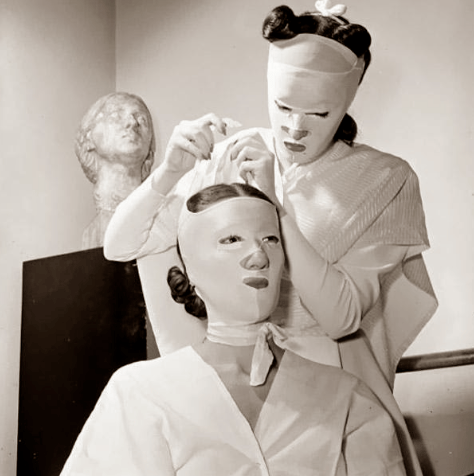
Contouring Mask (1937)

In the 1930s, beauty innovation often walked a fine line between science and spectacle — and few treatments captured that spirit better than the contouring mask. Popularized in elite salons like Helena Rubinstein’s Fifth Avenue location, these sculptural facial devices promised to “reshape” and refine a woman’s features through pressure, heat and strategic molding.

The mask itself looked almost futuristic: a rigid form fitted tightly over the face, designed to press the skin into sharper angles and more defined contours. Women reclined in salon chairs as attendants secured the mask and paired it with luxurious treatments — compressed air baths, milk-infused bubble soaks and other indulgent rituals meant to enhance the mask’s sculpting effect.

The idea was simple, even if the method was extreme: beauty could be engineered. In an era fascinated by modernity, machinery and the promise of transformation, the contouring mask became a symbol of the decade’s belief that technology could perfect the human face.

While today’s contouring relies on makeup, light and technique, the 1937 mask reminds us that the desire for sculpted cheekbones and refined features is nothing new. It’s simply evolved from rigid metal molds to the artistry of cosmetics.

The contouring mask stands as one of the most striking examples of early beauty innovation: bold, bizarre, and undeniably glamorous in its own mechanical way.

I’m Stacey Hobbs, thanks for reading Face by Stace! Until next time.
do you feel fabulous today?
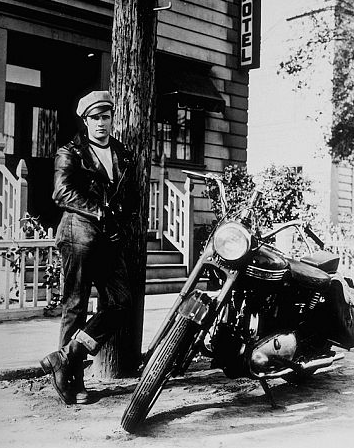
Marlon Brando in The Wild One: The Birth of the Modern Rebel Culture

When Marlon Brando rode onto the screen in The Wild One (1953), he didn’t just play a character — he introduced an entirely new masculine culture. The black leather jacket, the white T‑shirt, the cuffed blue jeans, the tilted cap, the motorcycle boots… it was a uniform of rebellion. A visual language of defiance. A style that said everything without saying a word.

Before Brando, Hollywood’s leading men were polished, groomed and studio‑controlled. After Brando, the standard shifted. Suddenly, beauty wasn’t about perfection — it was about attitude. His look was stripped down, almost aggressively simple but psychologically loaded. It carried danger, vulnerability and a kind of emotional realism that audiences had never seen before.

Marlon Brando, Wild One, 1953

Brando’s appeal wasn’t just physical. It was the way he held tension in his body, the way he looked away instead of directly at the camera, the way he made silence louder than dialogue. He embodied a new kind of beauty: raw, un-polished and deeply human. The Wild One didn’t just influence fashion — it rewired the cultural understanding of masculinity.

I’m Stacey Hobbs, thanks for reading Face by Stace! Until next time.
do you feel fabulous today?

James Dean: The Myth of the Handsome Rebel

James Dean didn’t simply enter Hollywood, he arrived like a spark in dry grass, igniting a cultural fire that never went out. If Marlon Brando created the language of rebellion, Dean turned it into poetry. His beauty wasn’t polished or manufactured. It was fragile, restless and emotionally exposed. He embodied a new kind of masculine allure: the beauty of vulnerability.

James Dean, 1950s, A Rebel Without A Cause

Dean’s aesthetic was deceptively simple. The white T‑shirt, the red jacket, the denim — all ordinary pieces, yet electrified by the way he wore them. He didn’t perform coolness; he radiated it. His slouched posture, the half‑smile, the searching eyes, the way he held tension in his shoulders — everything about him suggested a young man caught between longing and defiance. He made emotional conflict look cinematic.

What set Dean apart was the way he allowed audiences to see him break. In Rebel Without a Cause, he didn’t hide his pain behind bravado. He let it spill out, raw and un-filtered. His beauty came from the cracks, not the surface. He showed that masculinity could be tender, confused, aching — and still magnetic. This was revolutionary in a decade that prized stoicism.

Dean’s performances carried a kind of emotional transparency that felt almost dangerous. He didn’t act from the outside in; he acted from the inside out. Every gesture felt like a confession. Every silence felt like a wound. He made vulnerability iconic and in doing so, re-shaped the cultural understanding of male beauty.

And then, the tragedy.

Dean’s death at twenty‑four froze him in time. He became a myth — a symbol of youth, rebellion and the fleeting nature of beauty. His legacy isn’t just cinematic; it’s emotional. He represents the beauty of what is un-finished, the allure of what is unresolved. He is the eternal rebel, forever young, forever searching.

If Brando was the foundation and The Godfather was the evolution, Dean was the emotional climax — the moment when rebellion became art.

Brando taught men how to look powerful. 
Dean taught them how to look human.

Together, they shaped the modern masculine aesthetic. 
Dean remains its most haunting chapter.

I’m Stacey Hobbs, thanks for reading Face by Stace! Until next time.
do you feel fabulous today?
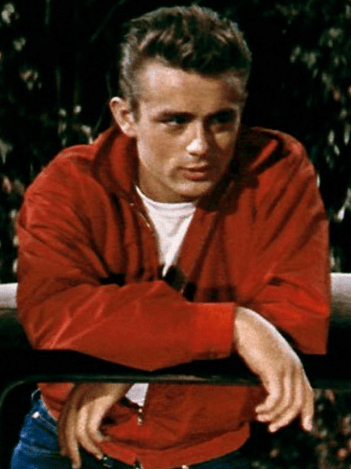
P. S. I do really enjoy this movie of his, “A Rebel Without A Cause.”

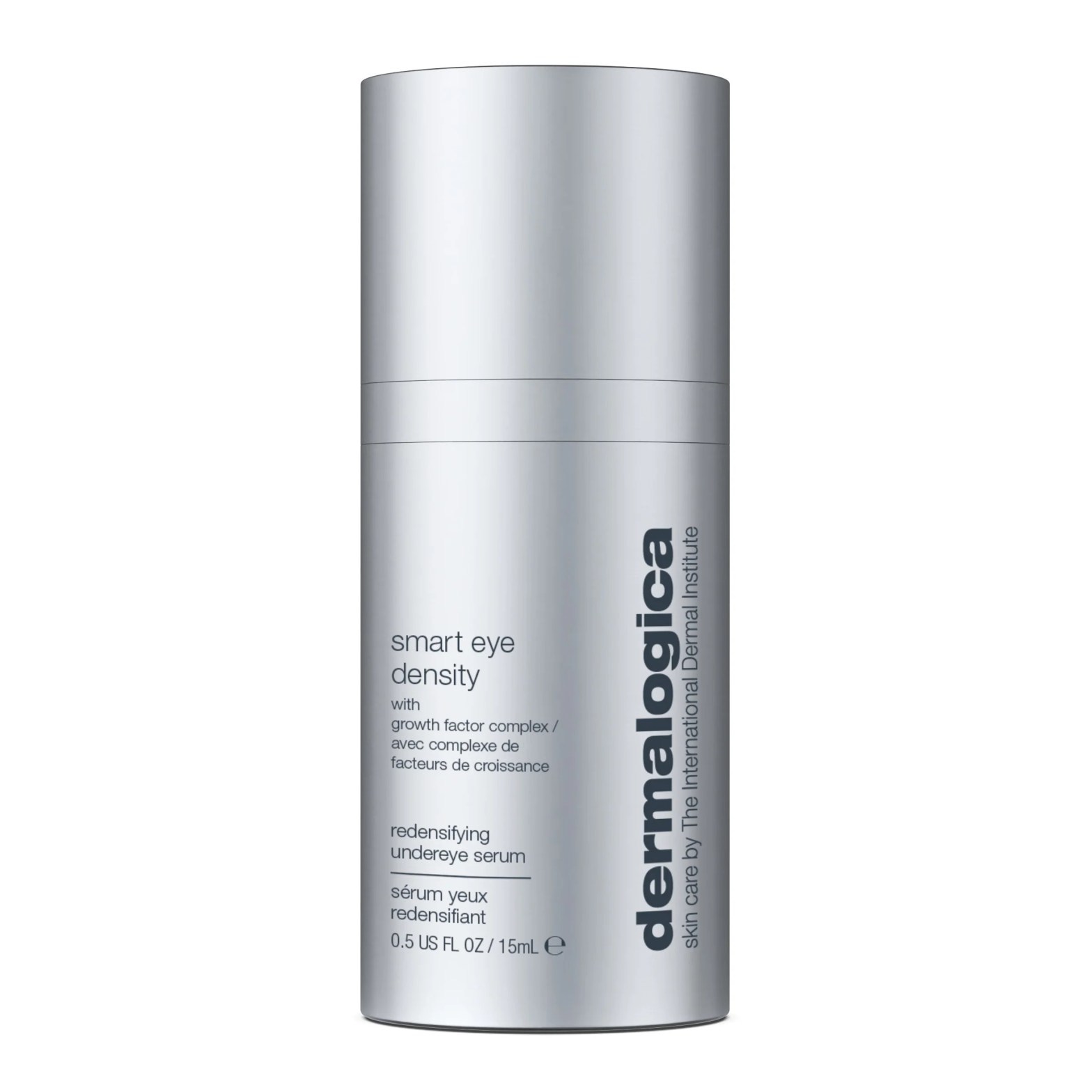
What’s New: Dermalogica Smart Eye Density Serum

Dermalogica. Dermalogica is one of those companies that many professionals from makeup artists to estheticians to dermatologists use and recommend. I often had Dermalogica in my pro makeup kit. From the lip primer, it does carry other benefits too, with that said, this lip renewal context is perfect to apply before lipstick especially matte lipstick if the matte lipstick isn’t already hydrating which many of them are today. Thank goodness, right?!

With that said, let’s break out some new formulas from Dermalogica beginning with Smart Eye Density Serum.

A formula designed to rebuild under eye density.

The skin under the eye is the thinnest, so as we age the density under the eyes naturally looses density this leads to hollowness, volume loss, discoloration, thinning skin and fine lines. When it comes to rebuilding density this helps to improve some of the most visible signs of some of the most visible signs of skin aging.

Smart Eye Density Serum recommended for:

visible signs of aging around the eyes
hollow or sunken-looking undereyes
fine lines + wrinkles
thinning skin
dark circles

Biointelligent eye serum targets hollow undereyes and thin skin around the eyes helping to visibly rebuild density over time.

Benefits

  • Visibly rebuilds undereye density
  • Plumps + hydrates for immediate volume
  • Visibly diminishes discoloration

Price: $192

For more information, please visit: dermalogica.ca

Have you tried Dermalogica Smart Eye Density Serum? Please let me know, I’d love to hear from you!
I’m Stacey Hobbs, thanks for reading Face by Stace! Until next time.
do you feel fabulous today?

Schiaparelli — The Surrealist of Couture

Elsa Schiaparelli didn’t design clothes — she designed shock, wit, and imagination. In an era dominated by Chanel’s minimalism, Schiaparelli carved her own path through surrealism, turning fashion into a living art form. Her work blurred the line between garment and dream, making her one of the most daring couturiers of the 20th century.

Schiaparelli’s rise began in the late 1920s, when she introduced her now‑famous trompe‑l’œil sweaters — knitwear that created optical illusions. They were clever, modern, and instantly set her apart. But it was the 1930s that defined her legacy. Collaborating with artists like Salvador Dalí and Jean Cocteau, she created pieces that felt like museum objects: the Lobster Dress, the Shoe Hat, the Skeleton Dress. Each design was a conversation between fashion and surrealism.

Elsa Schiaparelli

Her signature colour, Shocking Pink, embodied her philosophy. It was bold, unapologetic, and impossible to ignore — a direct challenge to the quiet elegance of her contemporaries. Schiaparelli believed fashion should provoke emotion, spark curiosity, and celebrate individuality. Her couture house became a playground for imagination, where zippers, embroidery, and unexpected materials transformed clothing into statements.

Schiaparelli didn’t follow trends; she invented them. Her work influenced modern couture, from Galliano to Gaultier, and continues to shape the house’s current revival. She proved that fashion could be humorous, intellectual and deeply artistic — a place where beauty and fantasy meet.

Elsa Schiaparelli wasn’t just a designer. She was fashion’s surrealist mind.

I’m Stacey Hobbs, thanks for reading Face by Stace! Until next time.

do you feel fabulous today?