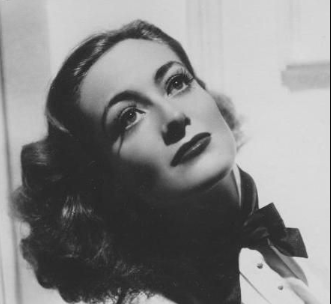
Rita Hayworth understood that glamour lived in the details and few details mattered more on camera than the mouth. Her lips were expressive, sensual, and central to her screen presence. To keep them soft, smooth and perfectly lipstick‑ready, she relied on a simple but effective ritual: sugar scrubs.
Long before lip exfoliators lined beauty counters, Hayworth used granulated sugar mixed with a touch of oil to gently buff away dryness. The technique was practical, inexpensive and surprisingly modern. Sugar’s natural texture lifted dead skin without tearing, while the oil restored suppleness. The result was a velvety canvas that made her signature red lip appear richer, fuller and more precise.
For Hayworth, this wasn’t vanity — it was maintenance. Studio lipsticks were heavy, matte, and unforgiving. Any texture showed under bright lights and close‑ups. By exfoliating regularly, she ensured her lipstick glided on smoothly and stayed flawless through long filming days.
Sugar scrubs kept Rita Hayworth’s lips looking beautiful and healthy, which translated on screen as youthful radiance.
The routine also fit her larger beauty philosophy: small, consistent habits create lasting glamour. A sugar scrub took only a minute, but its impact was unmistakable. It kept her lips soft enough to withstand constant re-application and bold enough to hold their place in Hollywood’s visual memory.
Today, lip scrubs are a staple in modern beauty — proof that Hayworth’s instincts were decades ahead. Rita didn’t wait for innovation. She made it herself, one sugar crystal at a time.
I’m Stacey Hobbs, thanks for reading Face by Stace! Until next time. do you feel fabulous today?
Rita Hayworth’s glamour didn’t end when the cameras stopped rolling — it followed her straight to bed. To protect her famous auburn waves, she slept with her hair carefully wrapped in cotton, a routine that blended practicality with Old Hollywood devotion. It wasn’t superstition. It was strategy.
Hayworth understood that her hair was part of her identity: lush, glossy, and impossibly fluid on screen. Studio stylists could sculpt it into cascading waves, but maintaining that softness required nightly discipline. Cotton wrapping kept her hair from tangling, frizzing, or breaking against rough pillowcases. It absorbed excess oils without stripping moisture, preserving the bounce and sheen that made her hair one of Hollywood’s most envied assets.
The routine itself was almost tender. After long filming days, Hayworth would brush her hair meticulously, apply a light oil or serum and wrap it in cotton to keep every strand aligned. It was a moment of care — a contrast to the intensity of her on‑screen persona. The cotton acted like a protective cocoon, ensuring she woke up with hair that needed minimal re-styling before the next day’s demands.
What feels modern about her method is how closely it mirrors today’s silk and satin hair‑care trends. Hayworth wasn’t chasing luxury; she was preserving longevity. Cotton wrapping was her way of saying that glamour isn’t just created — it’s maintained.
Rita Hayworth relied on cotton, consistency and a little nighttime discipline.
I’m Stacey Hobbs, thanks for reading Face by Stace! Until next time. do you feel fabulous today?
A warm, , West‑Coast‑wellness harvest bowl inspired by Jillian Harris’ signature vibe, which is cozy, pretty and nourishing. Roasted acorn squash caramelized with maple, fresh herbs, and olive oil becomes the golden centerpiece of a bowl filled with grains, greens, cranberries, and creamy elements. It’s the kind of wholesome, photogenic meal Jillian would serve for a fall lunch, a family dinner, or a casual gathering with friends. Balanced, comforting, and deeply seasonal.
Prep 15 min Cook 30 min Serves 2–3
Maple Glazed Acorn Squash Bowls – Easy Vegan Fall Recipe – Cook Well Today/cookwelltoday.com
Ingredients
1 acorn squash, halved, seeded, sliced 2 tbsp olive oil 1 tbsp maple syrup 1 tsp fresh thyme, chopped 1 tsp fresh rosemary, chopped to taste salt + pepper 1 cup cooked quinoa (or farro, rice, couscous) 2 cups mixed greens (spinach, arugula, spring mix) ¼ cup dried cranberries ¼ cup toasted pumpkin seeds (high in protein) ¼ cup goat cheese or feta (optional) 2 tbsp olive oil (for dressing) 1 tbsp maple syrup (for dressing) 1 tbsp lemon juice 1 tsp Dijon mustard ½ tsp thyme to taste salt + pepper
Instructions
Roast the Acorn Squash Preheat oven to 400°F (200°C). Toss squash slices with olive oil, maple syrup, thyme, rosemary, salt, and pepper. Spread on a baking sheet and roast 25–30 minutes, flipping halfway, until caramelized and tender.
Prepare the Bowl Base Add cooked quinoa to your bowl. Layer greens over top. Add cranberries, pumpkin seeds, and goat cheese.
Make the Dressing Whisk olive oil, maple syrup, lemon juice, Dijon, thyme, salt, and pepper until emulsified.
Assemble Arrange roasted acorn squash on top of the bowl. Drizzle generously with maple‑herb dressing. Serve warm.
Savory Herbed Acorn Squash with Maple Glaze Recipe | ItsOnly.Recipes/itsonly.recipes
Beauty Benefits
Beta‑carotene from acorn squash supports natural radiance and skin vitality.
Maple syrup contains antioxidants that help protect skin from dullness.
Olive oil’s healthy fats nourish the skin barrier for glow and softness.
Greens deliver chlorophyll + minerals for brightness and detox support.
Pumpkin seeds provide zinc, essential for clear, balanced skin.
Health Benefits
High fibre from squash, quinoa, and greens supports digestion and fullness.
Plant‑forward ingredients promote heart and hormone health.
Healthy fats support satiety and balanced energy.
Antioxidants from herbs, cranberries, and squash support immune wellness.
Naturally gluten‑free depending on grain choice.
History + Cultural Context
Acorn squash is one of North America’s oldest cultivated squashes, cherished in Indigenous foodways for its nourishment and storage longevity. Jillian Harris’ cooking style often celebrates seasonal Canadian produce, cozy comfort, and bright, presentation — making acorn squash a perfect ingredient for her vibe. This bowl blends heritage, seasonality, and wellness, reflecting the warm, approachable elegance Jillian is known for.
Storage
Roasted squash: 3–4 days refrigerated
Dressing: 5–7 days in a sealed jar
Greens: Store undressed to prevent wilting
Make‑ahead tip: Assemble bowls just before serving for best texture
Substitutions
Squash: Sweet potato, butternut squash, or delicata
Grains: Farro, rice, couscous, barley
Greens: Kale, spinach, arugula
Cranberries: Pomegranate seeds or dried cherries
Cheese: Goat cheese, feta, or omit for dairy‑free
Protein add‑ins: Chickpeas, tofu, grilled chicken, or salmon
I’m Stacey Hobbs, thanks for reading Face by Stace! Until next time. do you feel fabulous today?
Rita Hayworth didn’t simply transform into a Hollywood icon — she constructed one. Her rise from Margarita Cansino to the luminous Rita Hayworth is one of cinema’s most famous metamorphoses, and one of its most meticulous. Central to that transformation was a beauty decision as bold as it was strategic: she reshaped her hairline through electrolysis to create perfect symmetry.
In the 1930s, studio beauty standards were exacting. A symmetrical hairline framed the face, lifted the features, and photographed with cleaner geometry. Hayworth’s natural hairline dipped lower on her forehead, creating a softer, rounder shape. Electrolysis allowed her to refine it — not dramatically, but deliberately — giving her the sculpted, elongated look that became her signature.
The process was slow, precise, and undeniably painful. Yet Hayworth approached it with the same discipline she brought to dance training and performance. Each session removed tiny sections of hair, gradually revealing a higher, more balanced frame that accentuated her cheekbones and opened her expression. Under studio lighting, the effect was transformative: her face appeared more defined, more commanding, more “Rita.”
What makes this choice compelling isn’t the alteration itself, but the intention behind it. Hayworth understood that beauty in Hollywood was more on the engineered side. Her electrolysis hairline wasn’t vanity; it was strategy, a calculated step toward the iconic glamour that would define her career.
Today, her transformation remains a testament to the power of detail.
I’m Stacey Hobbs, thanks for reading Face by Stace! Until next time. do you feel fabulous today?
Joan Crawford never approached beauty passively. Every product, every gesture, every layer served a purpose — and one of her most intriguing techniques was using cold cream as a makeup base. Long before primers became a staple, Crawford understood that skin preparation was the secret to a flawless, camera‑ready face.
Cold cream was her backstage essential. She applied a thin veil before foundation, believing it created a smoother, more hydrated canvas. Under studio lights, this mattered. The cream softened the skin, minimized texture and allowed makeup to glide rather than cling. It gave her complexion that signature Crawford luminosity: velvety, diffused, and subtly reflective without ever appearing oily.
The technique also aligned with her disciplined beauty philosophy. Cold cream offered slip — a quality that made blending easier and contouring more seamless. Her makeup artists could sculpt her cheekbones with greater precision, creating the dramatic architecture that defined her screen presence. And because cold cream locked in moisture, her skin stayed supple through long filming days, resisting the dryness caused by heavy powders and hot lights.
What feels modern about Crawford’s method is its intentionality. She wasn’t improvising; she was optimizing. Today’s primers promise hydration, glow and longevity. This was exactly what Crawford achieved with a jar of cold cream and a meticulous hand.
Joan Crawford didn’t wait for innovation. She created her own.
If you think about it, Joan Crawford was forward thinking when it came to beauty.
In an era when brows were thin, dramatic and practically sculpted into character, Joan Crawford treated hers like assets. Her commitment was so intense that she reportedly slept with her eyebrows taped in place to preserve their iconic arch.
To Crawford, the brow was the anchor of the face. It communicated discipline, emotion and authority long before she delivered a single line. Maintaining that sharp, lifted shape required more than tweezers and a steady hand. At night, she applied small pieces of tape to pull the brows upward, ensuring they stayed in their ideal position while she slept. It was beauty maintenance as strategy — a nocturnal facelift focused entirely on expression.
The technique sounds extreme today, but in Crawford’s world, it made perfect sense. Studio lighting was unforgiving, close‑ups were merciless and every micro‑expression mattered. A perfectly arched brow gave her that unmistakable Crawford intensity: alert, glamorous, and slightly formidable.
What’s fascinating is how modern beauty reflects Crawford’s brow technique, not in the exact same manner. Instead, with lamination, lifting gels and shaping adhesives all aim to create the same effect Crawford achieved with tape and determination. She wasn’t eccentric — she was ahead of her time.
Joan Crawford understood that glamour doesn’t sleep. And neither, apparently, did her eyebrows.
I’m Stacey Hobbs, thanks for reading Face by Stace! Until next time. do you feel fabulous today?
Did you know: Joan Crawford, after all chewed gum strictly because it exercised her jawline.