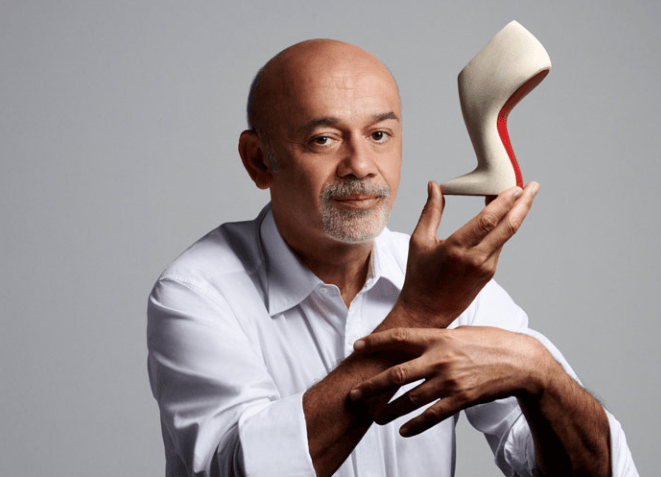
Christian Louboutin transformed the high heel from an accessory into an object of desire. When he introduced the red sole in 1993, he wasn’t creating a trend — he was creating a symbol. The red sole became an instant signature, a flash of colour that turned every step into a performance. It was glamour, confidence,Continue reading “Christian Louboutin: The Red Sole & the Erotics of Footwear”
Tag Archives: Beauty
Louis Vuitton: Travel, Modernity & the Birth of Luxury Branding
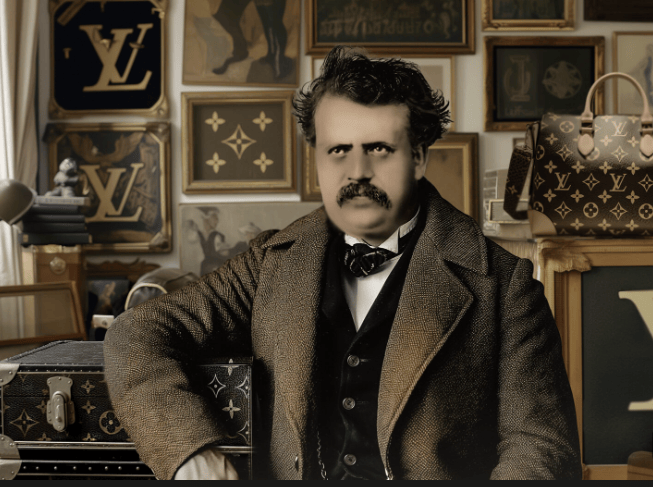
Louis Vuitton began not as a fashion house, but as a revolution in mobility. In 1854, Vuitton understood something no one else had: modern life would be defined by movement. Travel was becoming faster, grander, and more global — and it needed an elegance, style and luxury and so, Vuitton built it. His innovation wasContinue reading “Louis Vuitton: Travel, Modernity & the Birth of Luxury Branding”
Opera Houses as Social Runways
Opera houses were the original social runways — places where fashion wasn’t just worn, but performed. In the 19th and early 20th centuries, attending the opera was a public ritual of elegance, status, and spectacle. The audience was part of the show, and every appearance was a curated display of identity. Women arrived in silkContinue reading “Opera Houses as Social Runways”
Burberry: Weather, War & the Invention of British Utility Chic
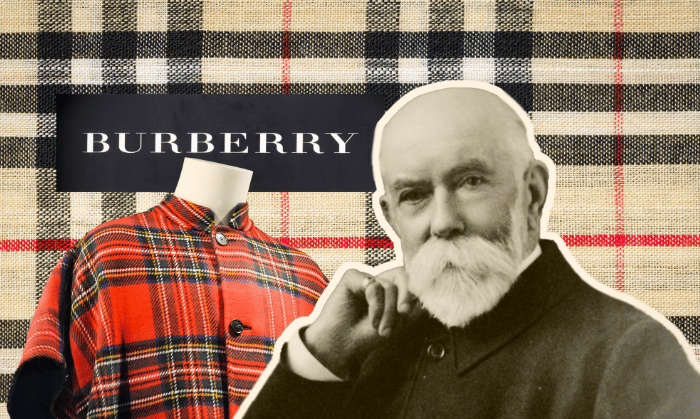
Burberry’s story begins not with glamour, but with weather. In 1856, Thomas Burberry founded his house on a simple idea: clothing should protect. His breakthrough came with gabardine, a tightly woven, weather‑resistant fabric that was breathable, durable and revolutionary. It transformed outerwear from heavy, impractical garments into modern tools of mobility. Gabardine made Burberry indispensable.Continue reading “Burberry: Weather, War & the Invention of British Utility Chic”
Hubert de Givenchy: The Architecture of Elegance
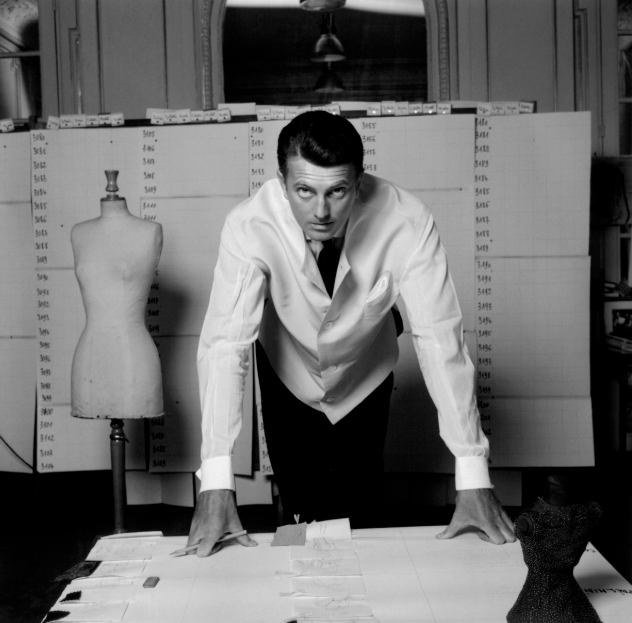
Hubert de Givenchy defined a new kind of elegance — one built not on excess, but on purity of line. In an era dominated by dramatic couture, Givenchy introduced restraint. His silhouettes were long, clean, and architectural, designed to elongate the body and refine the wearer rather than overwhelm her. For Givenchy, elegance was clarity.Continue reading “Hubert de Givenchy: The Architecture of Elegance”
Opera Makeup & Early Beauty Routines
Opera is the birthplace of modern beauty ritual. Before salon makeup, before Old Hollywood glamour, stage beauty defined how women shaped their faces for visibility, emotion, and performance. Under harsh stage lights, opera singers needed matte skin, sculpted cheekbones and strong brows. Powder prevented shine. Rouge was placed high to lift the face from aContinue reading “Opera Makeup & Early Beauty Routines”

