
When Vidal Sassoon introduced the pixie cut in the early 1960s, he didn’t just change hair — he changed culture. His geometric approach to styling transformed the haircut from a symbol of rebellion into an emblem of modernity. The pixie became the visual shorthand for a new kind of woman: independent, confident, and unafraid ofContinue reading “How Vidal Sassoon’s Pixie Cut Re-defined Modern Culture”
Tag Archives: England
Anglo‑Saxon Hair Tools
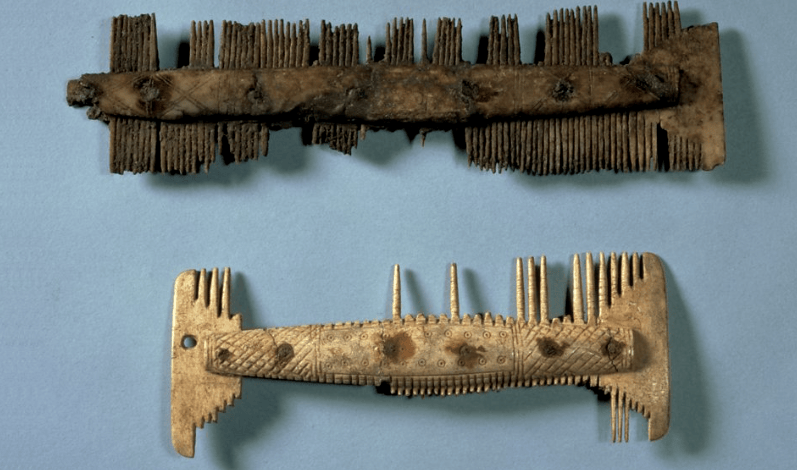
Anglo‑Saxon hair care was simple, natural, and deeply tied to craftsmanship. Hair was considered a symbol of health and femininity, so maintaining it was a daily ritual supported by tools that were both practical and beautiful. The most essential item was the wooden comb. These combs were carved from boxwood, ash or horn, often decorated withContinue reading “Anglo‑Saxon Hair Tools”
Anglo‑Saxon Herbal Beauty Recipes
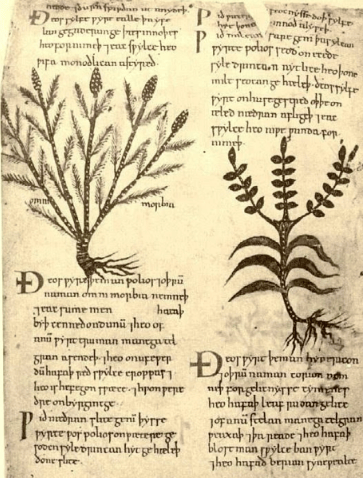
Anglo‑Saxon beauty rituals relied on herbs, grains and natural oils — ingredients gathered from fields, forests and kitchen gardens. These recipes were simple but effective, reflecting a culture that valued purity and practicality. For cleansing, women used herbal infusions made from chamomile, mint or elderflower. Warm water steeped with these plants refreshed the skin and soothed irritation.Continue reading “Anglo‑Saxon Herbal Beauty Recipes”
Anglo‑Saxon Bathing Rituals
Bathing in the Anglo‑Saxon world was less about luxury and more about ritual. Warm water infused with herbs was used to cleanse, soothe and spiritually refresh. Women often steeped mint, chamomile or meadowsweet in basins, creating fragrant washes that softened the skin and eased tension. Anglo-Saxons didn’t bathe daily; it was more about it beingContinue reading “Anglo‑Saxon Bathing Rituals”

