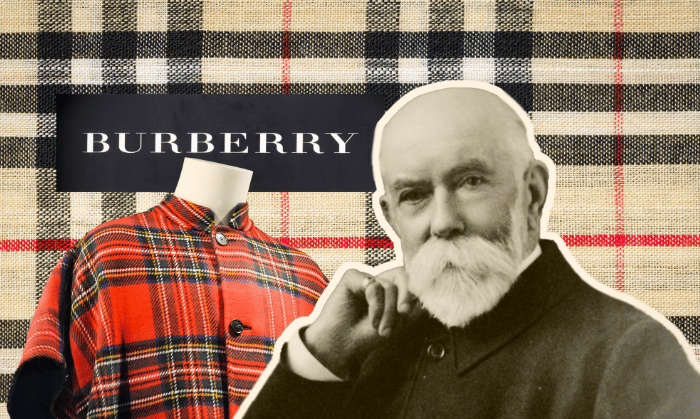
Burberry’s story begins not with glamour, but with weather. In 1856, Thomas Burberry founded his house on a simple idea: clothing should protect. His breakthrough came with gabardine, a tightly woven, weather‑resistant fabric that was breathable, durable and revolutionary. It transformed outerwear from heavy, impractical garments into modern tools of mobility. Gabardine made Burberry indispensable.Continue reading “Burberry: Weather, War & the Invention of British Utility Chic”
Tag Archives: fashion
Hubert de Givenchy: The Architecture of Elegance
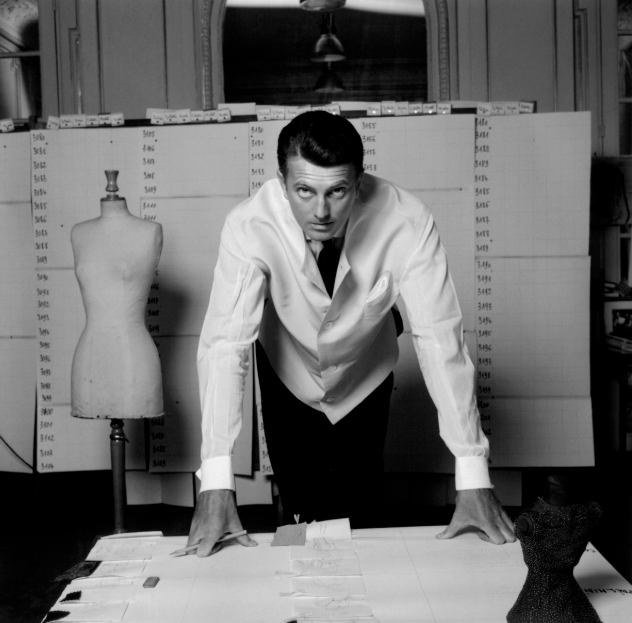
Hubert de Givenchy defined a new kind of elegance — one built not on excess, but on purity of line. In an era dominated by dramatic couture, Givenchy introduced restraint. His silhouettes were long, clean, and architectural, designed to elongate the body and refine the wearer rather than overwhelm her. For Givenchy, elegance was clarity.Continue reading “Hubert de Givenchy: The Architecture of Elegance”
Opera Makeup & Early Beauty Routines
Opera is the birthplace of modern beauty ritual. Before salon makeup, before Old Hollywood glamour, stage beauty defined how women shaped their faces for visibility, emotion, and performance. Under harsh stage lights, opera singers needed matte skin, sculpted cheekbones and strong brows. Powder prevented shine. Rouge was placed high to lift the face from aContinue reading “Opera Makeup & Early Beauty Routines”
Opera Silhouettes & Couture Architecture
Opera shaped the architecture of fashion long before couture existed. Onstage, silhouette wasn’t decoration, it was storytelling. Costumes had to communicate character, emotion, and status from the back row of the theatre. This demand for clarity created the foundations of modern couture: volume, proportion, structure and movement. In the 19th century, opera costumes were engineeringContinue reading “Opera Silhouettes & Couture Architecture”
Opera Archetypes & Fashion Femininity
Opera created the feminine archetypes that fashion still relies on today. Long before designers crafted runway narratives, opera defined the emotional roles women performed through silhouette, gesture, and beauty. These archetypes became the blueprint for couture storytelling. The Tragic Heroine — Violetta, Tosca, Mimi — embodied fragility, sacrifice and romantic suffering. Her costumes were soft,Continue reading “Opera Archetypes & Fashion Femininity”
Maria Callas: The First Modern Beauty Icon
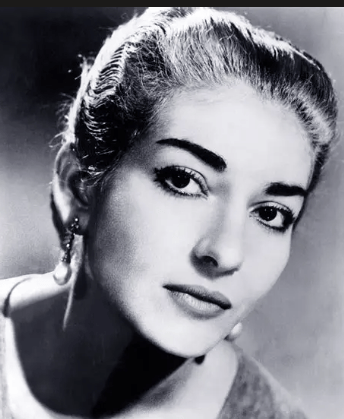
Maria Callas wasn’t just an opera singer — she was the first woman to merge performance, beauty and fashion into a single, un-forgettable identity. Long before celebrity beauty culture existed, Callas shaped how women understood glamour, presence and the power of a sculpted face. Callas’s beauty was architectural. Her sharply defined brows created instant drama.Continue reading “Maria Callas: The First Modern Beauty Icon”

