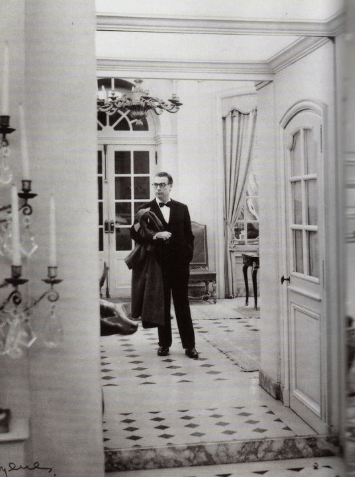
In 1957, Cristóbal Balenciaga introduced a silhouette so radical that it split the fashion world in two: the sack dress. At a time when Dior’s cinched waists and sculpted hourglass shapes dominated global style, Balenciaga unveiled a garment with no waistline at all — a straight, fluid column that skimmed the body without defining it.Continue reading “Balenciaga: The Sack Dress (1957)”
Tag Archives: fashion
Balenciaga: Engineering Genius (The Architect of Modern Couture)
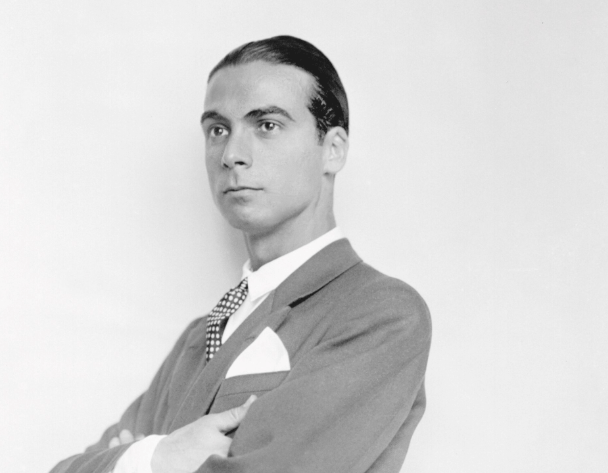
Cristóbal Balenciaga was not merely a couturier, he was a structural engineer working in fabric. In an era when most designers sketched ideas and relied on teams of cutters and drapers to execute them, Balenciaga alone mastered every stage of construction. He could cut, drape, tailor, stitch and finish a garment with the precision ofContinue reading “Balenciaga: Engineering Genius (The Architect of Modern Couture)”
Dior: Salon Makeup Techniques (The Art of the Modern Face)
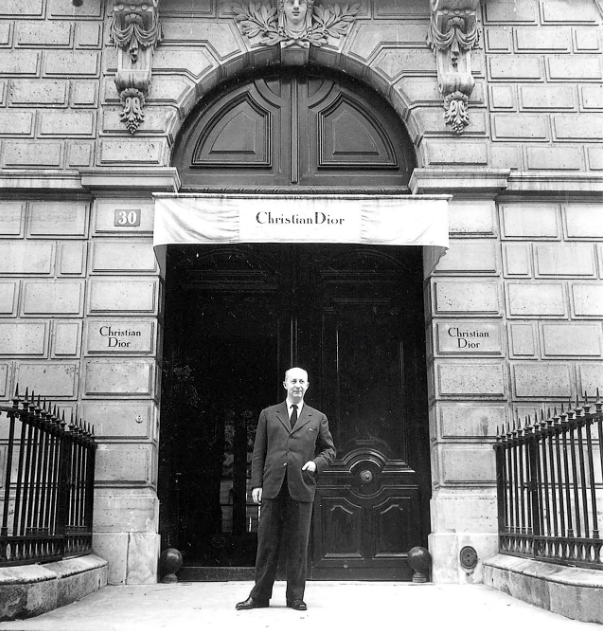
Christian Dior believed that beauty was not an accessory to fashion — it was its completion. In his salons, makeup was treated with the same precision as tailoring. Every model, client and house mannequin followed a strict ritual that reflected Dior’s vision of femininity: polished, luminous and impeccably structured. His makeup techniques were not theatrical;Continue reading “Dior: Salon Makeup Techniques (The Art of the Modern Face)”
Dior: The Global Licensing Revolution (How Dior Invented the Modern Luxury Brand)
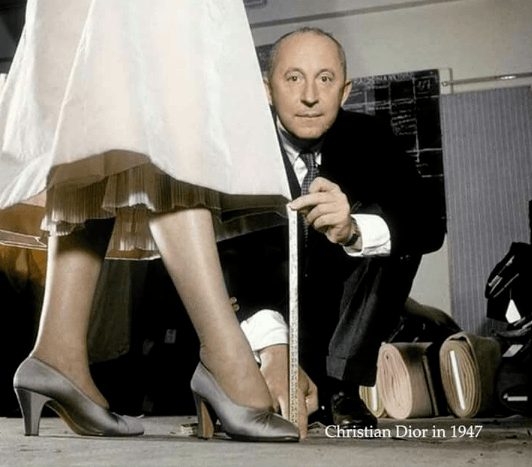
Christian Dior didn’t simply revive Parisian couture after World War II, he rewired the entire fashion industry. His greatest business innovation was the global licensing model, a system that transformed a single couture house into a worldwide brand. Before Dior, designers sold clothes. After Dior, designers sold lifestyles. In the late 1940s, Dior recognized somethingContinue reading “Dior: The Global Licensing Revolution (How Dior Invented the Modern Luxury Brand)”
Dior: Marcel Boussac & The Textile Empire Behind the New Look
Christian Dior’s meteoric rise in 1947 was not only a triumph of design, it was the result of a powerful partnership with Marcel Boussac, the richest textile magnate in France. Known as “the king of cotton,” Boussac controlled vast mills, factories and distribution networks. When he chose Dior, he wasn’t simply backing a designer; heContinue reading “Dior: Marcel Boussac & The Textile Empire Behind the New Look”
Chanel: The Tweed Suit as Post‑War Female Armor (1954 and Beyond)
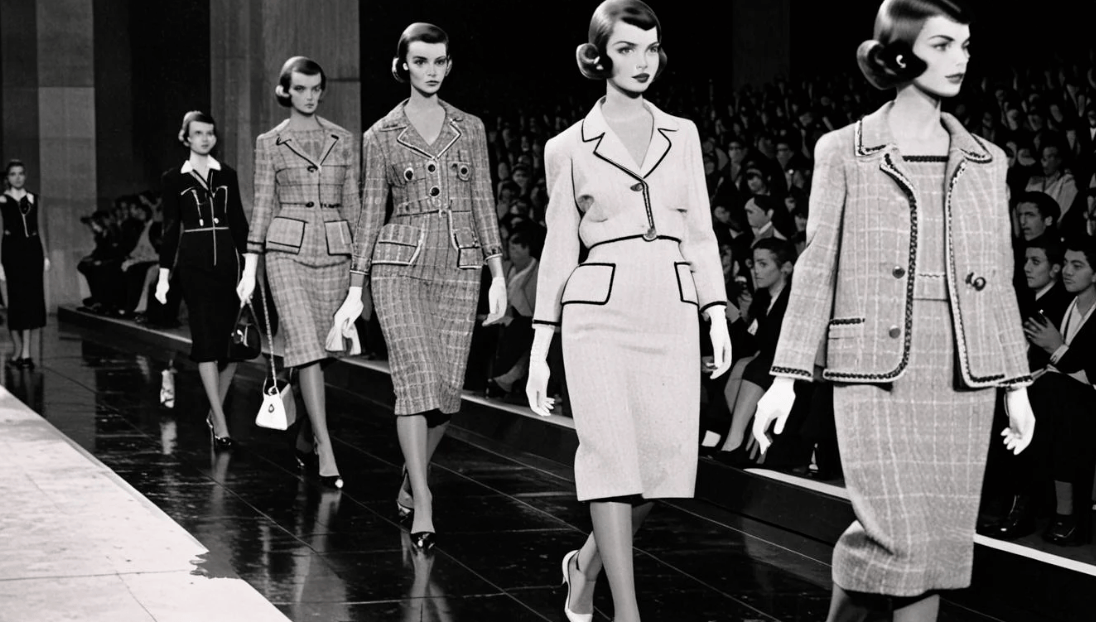
When Chanel returned to fashion in 1954, she did not revive the past — she reinvented the future. Her most powerful creation of this era was the Chanel tweed suit, a garment that became the unofficial uniform of post‑war female independence. At a time when women were entering offices, universities, and public life in unprecedentedContinue reading “Chanel: The Tweed Suit as Post‑War Female Armor (1954 and Beyond)”

