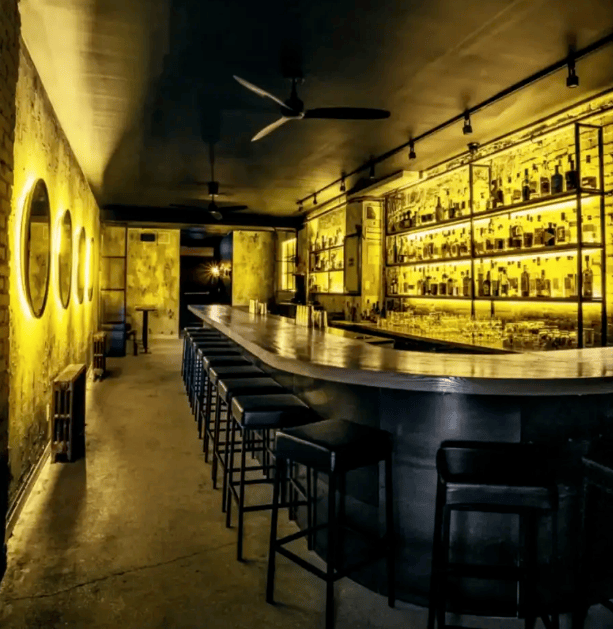
Speakeasies are remembered as an American invention, smoky rooms, jazz rhythms, clinking glasses, and the glamour of rebellion. But Canada had its own version of underground drinking culture, shaped by regional politics, geography, and a very different relationship with Prohibition. When you place the two countries side by side, the contrast becomes striking.
America turned speakeasies into a legend.
Canada turned speakeasies into practicality.


1. The American Speakeasy:
Glamour Born in the Shadows
American Prohibition (1920–1933) created a national underground nightlife. When alcohol became illegal everywhere, nightlife went underground everywhere. The speakeasy became the beating heart of the era, a cultural phenomenon that would shape fashion, beauty, music, and the identity of the modern world.
What defined the American speakeasy?
- Jazz, which was the soundtrack of rebellion
- Dim lighting to hide illegal drinking
- Password‑protected doors and hidden basements
- Mixed crowds, men and women, races, classes
- Flapper glamour: beaded dresses, finger waves, smoky eyes
- Gangster influence: organized crime controlling supply
Speakeasies were bars, later to become a cultural legend. They produced new aesthetics, new freedoms, and a new kind of modern woman. Women having become confident, visible, and glamorous.
America’s speakeasy was a symbol.
A rebellion.
2. The Canadian Speakeasy:
Practical, Regional and Less Mythologized
Canada’s Prohibition was never national (except briefly during WWI). Each province voted independently, creating a patchwork of dry and wet regions. Because alcohol production remained legal for export, Canada never needed the same level of underground nightlife.
Canadian equivalents existed, but they were different:
- Blind pigs (illegal bars in rural areas)
- Back‑room drinking in hotels and restaurants
- Private clubs/Speakeasies in cities like Montreal, Toronto, and Vancouver
- Liquor smuggled from wet provinces to dry ones: Wet provinces Ontario, for example, and dry provinces Alberta, as for example.
- Cross‑border drinking: Canadians visiting U.S. speakeasies and vice versa.
When it came to Canadian speakeasies, it less about prohibition, and more about the cabaret. Speakeasies in Canada, were more European and American influenced, which is why cabarets in the speakeasies were popular. In fact, Americans would travel to Canada, specifically to Montreal to attend these speakeasies, even referring to Montreal as the Paris of North America, during the 1920s. Canadian nightlife was more on the modern side. It lacked the national drama, the jazz‑era glamour, and the cinematic rebellion that defined American speakeasies.
Canada’s underground drinking was quieter, more practical, less stylish, less dangerous, less culturally transformative.
Canada didn’t need the American version of a speakeasy culture. It had established its own version of the speakeasy culture.
If you’re interested, you can check out Canadian speakeasies:
Canada’s Speakeasy Culture: Less Prohibition, More Cabaret: European‑Leaning Entertainment Culture – It’s Life with Stacey Hobbs
3. Fashion & Beauty:
Speakeasy Glamour vs. Canadian Modernity
United States
Speakeasies shaped style with shimmering dresses designed for low light, cloche hats and long necklaces, dramatic make-up (thin brows, dark lips, smoky eyes), finger waves and glossy curls, bias‑cut gowns that moved with jazz rhythms
Beauty became nocturnal — bold, seductive, and intentionally rebellious.
Canada
Canadian style followed American trends but with more restraint. Canadian styled revolved around rural women adopted finger waves and lipstick, women remained practical, relying on home styling, dresses were simpler, sturdier, and less embellished, and glamour existed, but mostly in big cities and in private clubs/speakeasies.
Canadian beauty was modern, modest, conservative, as opposed to provocative, in all locations, whether it be a small-town or a big-city. Canadian fashion was stylish, just not subversive.
4. Crime & Culture:
Organized Crime vs. Organized Workarounds
United States
Speakeasies were tied directly to organized crime
- bootlegging empires
- gang violence
- bribery of police and politicians
- national networks supplying illegal liquor
The danger added to the glamour.
Canada
Canada’s underground drinking was shaped by:
- regional smuggling
- cross‑border rum‑running
- legal distilleries exporting to the U.S.
- local police turning a blind eye
Crime existed, but it was smaller, quieter, and less violent. But still violent, hello Rocco Perri, aka “King of Bootleggers” and “Canada’s Al Capone”, who bribed federal police.
Canada supplied the liquor.
5. Social Meaning:
Rebellion vs. Resilience
United States
Speakeasies symbolized defiance, modernity, gender liberation, racial mixing, and cultural experimentation.
Speakeasies became iconic legends of the Jazz Age.
Canada
Canadian underground drinking symbolized practicality, regional autonomy, with a quiet resistance, and social continuity.
It was not a cultural revolution.
It was a workaround.
I’m Stacey Hobbs, thanks for reading! Until next time.
do you feel fabulous today?
 Face by Stace