
Speakeasies are remembered as an American invention, smoky rooms, jazz rhythms, clinking glasses, and the glamour of rebellion. But Canada had its own version of underground drinking culture, shaped by regional politics, geography, and a very different relationship with Prohibition. When you place the two countries side by side, the contrast becomes striking. America turnedContinue reading “Canada vs. America: Speakeasies and the Culture of Hidden Nightlife”
Tag Archives: Prohibition
America vs. Canada: Prohibition Gangsters and the Business of the Dry Era
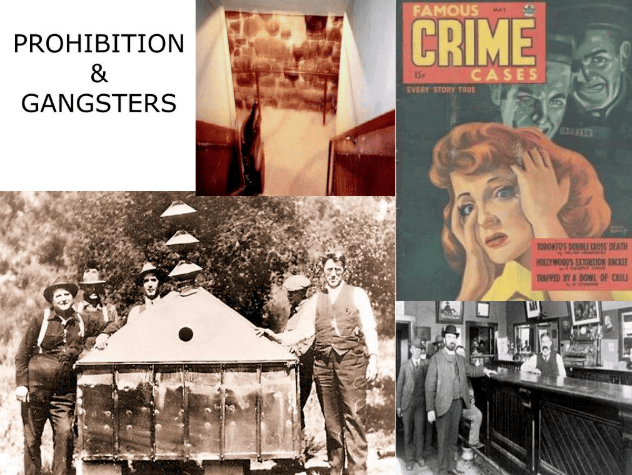
Prohibition created gangsters, but not equally. Canada supplied the liquor.America supplied the legend. In the United States, the dry era produced legends, men of whom built empires, controlled cities, and turned illegal liquor into a national industry. Whereas in Canada, the story was more on the quieter side of things, more pragmatic, and shaped byContinue reading “America vs. Canada: Prohibition Gangsters and the Business of the Dry Era”
Canada vs. the United States: Two Prohibitions, Two Outcomes
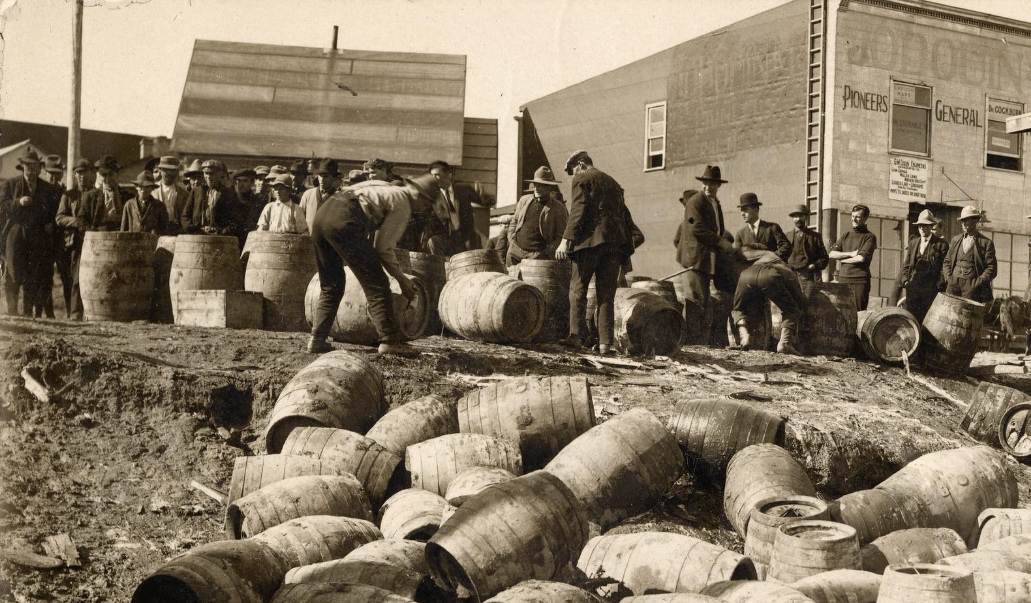
Prohibition is often remembered as an American story: speakeasies, gangsters, flappers, and the long shadow of the Volstead Act. But Canada lived its own version, a more quieter, shorter, more pragmatic, and shaped by regional politics rather than national ideology. When you place the two countries side by side, the contrast becomes striking. Prohibition was not one movement.Continue reading “Canada vs. the United States: Two Prohibitions, Two Outcomes”
Why Prohibition Failed in Canada + the U.S.: The Anatomy of an Impossible Law
Prohibition did not fail because people suddenly developed a taste for rebellion. It failed because it attempted to legislate morality in a way that ignored human behaviour, economic reality, and the limits of enforcement. Both Canada and the United States discovered the same truth; banning alcohol did not eliminate demand. It simply changed where alcoholContinue reading “Why Prohibition Failed in Canada + the U.S.: The Anatomy of an Impossible Law”
 Face by Stace