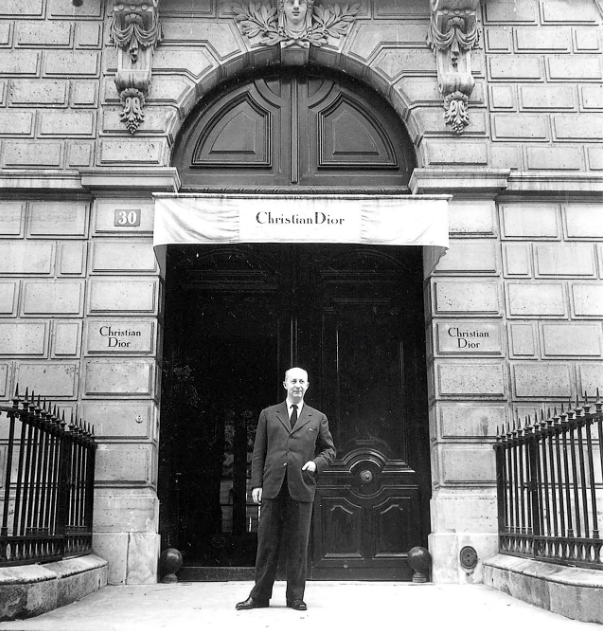
Christian Dior’s meteoric rise in 1947 was not only a triumph of design, it was the result of a powerful partnership with Marcel Boussac, the richest textile magnate in France. Known as “the king of cotton,” Boussac controlled vast mills, factories and distribution networks. When he chose Dior, he wasn’t simply backing a designer; heContinue reading “Dior: Marcel Boussac & The Textile Empire Behind the New Look”
Author Archives: Stacey Hobbs
Chanel: The Tweed Suit as Post‑War Female Armor (1954 and Beyond)
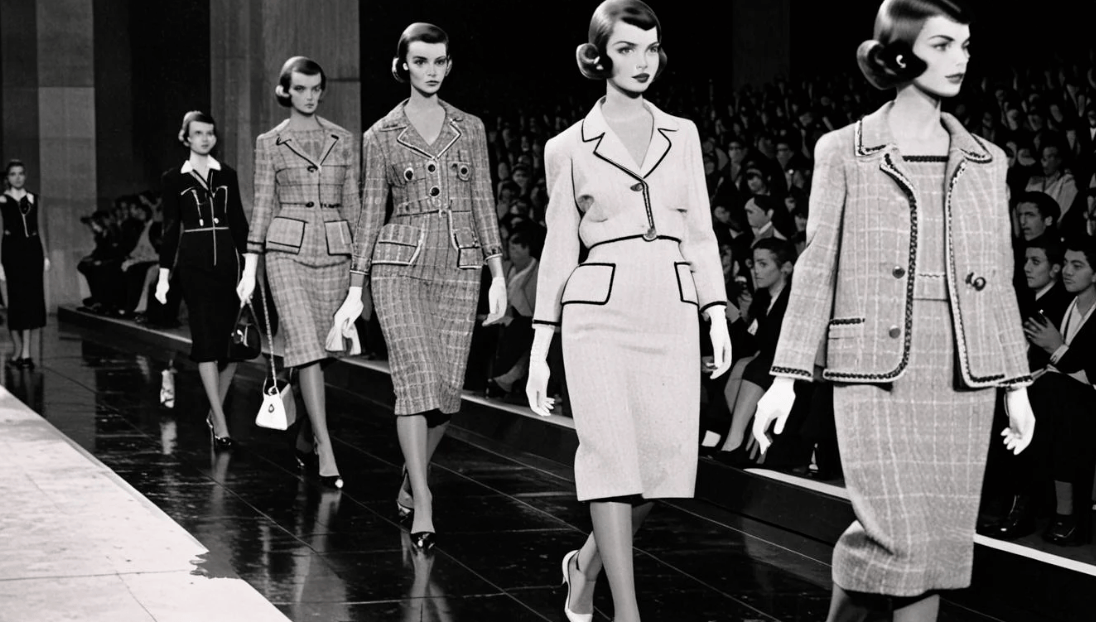
When Chanel returned to fashion in 1954, she did not revive the past — she reinvented the future. Her most powerful creation of this era was the Chanel tweed suit, a garment that became the unofficial uniform of post‑war female independence. At a time when women were entering offices, universities, and public life in unprecedentedContinue reading “Chanel: The Tweed Suit as Post‑War Female Armor (1954 and Beyond)”
Chanel: Salon Beauty Routines (Cold Cream, Powder, Hair Ribbons)
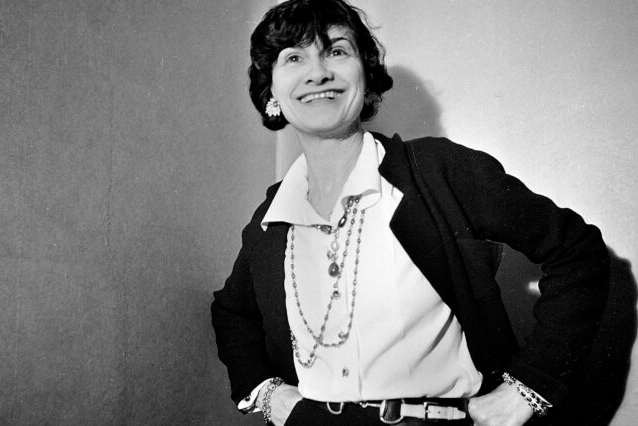
Chanel’s beauty philosophy was as radical as her fashion. At a time when women embraced heavy rouge, elaborate curls, and ornate accessories, Chanel insisted on a look that was clean, fresh, and deceptively simple. Her salon routine reflected the same discipline and restraint that defined her clothing — a beauty routine built on clarity, precisionContinue reading “Chanel: Salon Beauty Routines (Cold Cream, Powder, Hair Ribbons)”
Chanel: The Jersey Revolution (How a Poor Man’s Fabric Became Luxury)
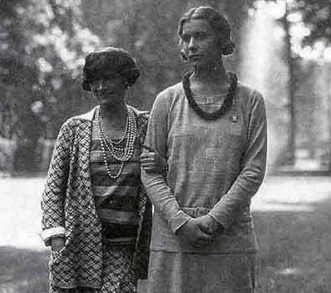
When Chanel introduced jersey into women’s fashion in the 1910s, she wasn’t simply choosing a new fabric, she was re-writing the rules of elegance. At the time, jersey was associated with men’s underwear, sailors’ shirts and utilitarian garments. It was cheap, stretchy and absolutely not considered couture material. No designer of her era would haveContinue reading “Chanel: The Jersey Revolution (How a Poor Man’s Fabric Became Luxury)”
Chanel: Who Funded Chanel (Étienne Balsan & Arthur “Boy” Capel)
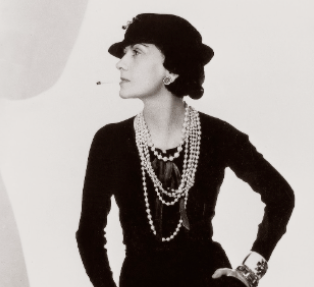
Chanel’s rise from orphanage seamstress to couture legend was not a solitary climb — it was financed, shaped and accelerated by two men whose influence defined her early career: Étienne Balsan and Arthur “Boy” Capel. Their support was not merely romantic; it was strategic, financial and deeply intertwined with Chanel’s transformation into a designer. ÉtienneContinue reading “Chanel: Who Funded Chanel (Étienne Balsan & Arthur “Boy” Capel)”
Chanel: How She Obtained the Nickname “Coco”
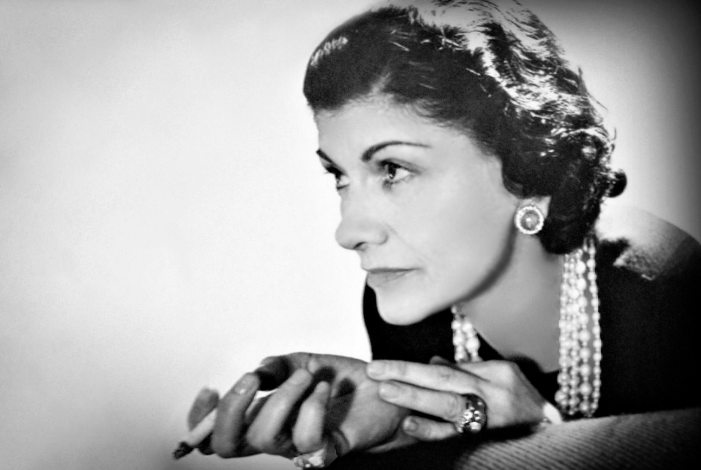
Long before Gabrielle Chanel became the architect of modern fashion, she was a young woman standing on café tables, singing playful cabaret songs to small crowds in Moulins. It was here, not in couture, not in society salons, that she became “Coco.” The name was not bestowed by aristocrats or clients; it was born fromContinue reading “Chanel: How She Obtained the Nickname “Coco””

