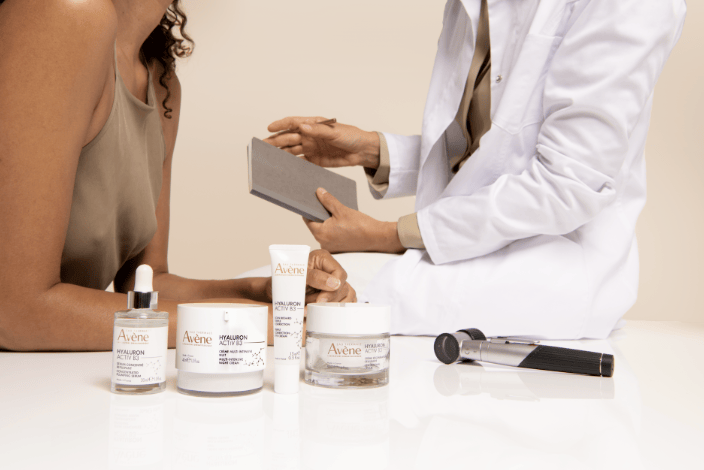
Long before Avène became a global skincare brand, the thermal station itself prepared healing balms for patients whose skin needed more than water compresses alone. These balms were handcrafted on‑site, formulated with the same mineral‑rich thermal water that defined Avène’s reputation. They were not commercial products; they were medical treatments created specifically for individuals with severe skin irritation, burns or chronic inflammatory conditions.
A Therapeutic Extension of the Compress Ritual
The balms were designed to work alongside compresses, offering deeper nourishment and protection. After repeated cycles of thermal water application, the skin was soothed but often still fragile. The balms provided a second layer of care — sealing in moisture, reducing inflammation and supporting the skin’s natural healing process.
Hand‑Prepared for Sensitive and Compromised Skin
Each balm was prepared in small batches at the thermal station, using:
Avène thermal spring water
simple, non‑irritating emollients
mineral‑based soothing agents
formulations free of fragrance or harsh additives
This minimalist approach ensured that even the most reactive skin could tolerate the treatment.
A Precursor to Avène’s Modern Barrier‑Repair Products
These early balms were the ancestors of Avène’s modern soothing creams and Cicalfate formulas. The philosophy remains un-changed: protect the skin, reduce inflammation and support natural repair without overwhelming the barrier.
Why These Balms Matter in Avène’s History
They demonstrate that Avène’s identity was never built on cosmetic trends — it was built on medical necessity. The thermal station’s balms were created for healing, not beauty, and they shaped the brand’s commitment to sensitive skin that continues today.
I’m Stacey Hobbs, thanks for reading Face by Stace! Until next time. do you feel fabulous today?
Honey has always carried a sense of a subtle form of luxury — a beauty ingredient treasured in ancient rituals and a kitchen staple that feels both comforting and elegant. Victorian women used honey salves to achieve a glowing complexion, while today it remains one of the most beloved ingredients in modern wellness.
Honey is one of the oldest beauty ingredients in recorded history. Cleopatra famously used honey to soften her skin, while ancient Greek women applied honey masks before festivals and ceremonies. In medieval Europe, honey was used as a healing salve for the skin — prized for its antibacterial properties long before modern science confirmed them. Victorian women used honey in homemade cold creams, believing it preserved youthfulness.
Honey’s beauty legacy spans continents and eras, always associated with luxury, femininity and natural radiance.
Beauty Benefits of Honey
Skin: Honey draws moisture into the skin, supports barrier repair and has natural anti-bacterial properties. Hair: A honey mask adds shine and softness especially when mixed with oils. Body: Its antioxidants support overall wellness and glow. Mood: Warm, floral, comforting — honey is a sensory cue for calm and sweetness.
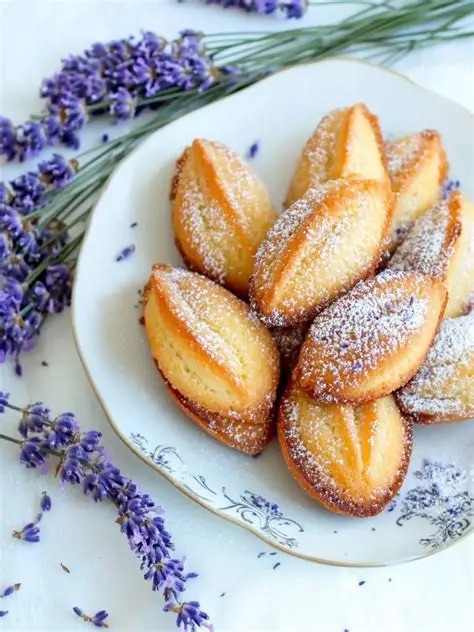
Pardon Your French: Inspired Honey Lavender Madeleines
A soft, floral, golden French tea cake kissed with honey and lavender — elegant, nostalgic and oh-so French. (Love madeleines so much.)
Prep 15 min Cook 10 mins Serves 12 madeleines
Lavender Honey Madeleines: Sweet Bliss in Every Bite – Recipes by Alycia/recipesbyalycia.com
Historical Context Madeleines are one of France’s most poetic pastries — small, shell‑shaped cakes originating in 18th‑century Lorraine. Their delicate crumb and signature hump became symbols of French baking, often served with tea or café au lait. Really pairs well with tea, coffee or café au lait.
Honey has been used in French pâtisserie since the Middle Ages, prized for its floral complexity and ability to keep cakes moist. Lavender, meanwhile, is tied to Provençal tradition where it was used not only in cooking but also in beauty rituals, perfumes and linen sachets. By the Belle Époque, lavender‑honey confections were considered refined, feminine and subtly luxurious.
This recipe mirrors Pardon Your French’s aesthetic: rustic elegance, regional authenticity and a reverence for French culinary heritage. It’s a pastry that feels like a quiet afternoon in Provence — sunlight, flowers and soft sweetness.
Beauty Benefits of This Recipe
Honey
Natural humectant: supports internal hydration
Antioxidants help reduce dullness
Supports gut balance → clearer skin
Lavender
Calming and anti‑inflammatory
Helps reduce stress (which often shows on the skin)
Contains natural polyphenols
Lemon Zest
Vitamin C supports collagen production
Brightens complexion
Offers antioxidant protection
Eggs
Protein supports hair + nail strength
Healthy fats nourish skin elasticity
Butter
Provides fat‑soluble vitamins (A, E)
Supports skin barrier health
Honey has always been a quiet form of luxury in beauty and wellness—simple, natural and endlessly versatile. This recipe is one more way to bring that softness and radiance into everyday life, using ingredients that feel comforting. If you enjoyed this treatment, explore the rest of the Honey Series for more historically inspired, modern‑friendly recipes.
I’m Stacey Hobbs, thanks for reading Face by Stace! Until next time. do you feel fabulous today?
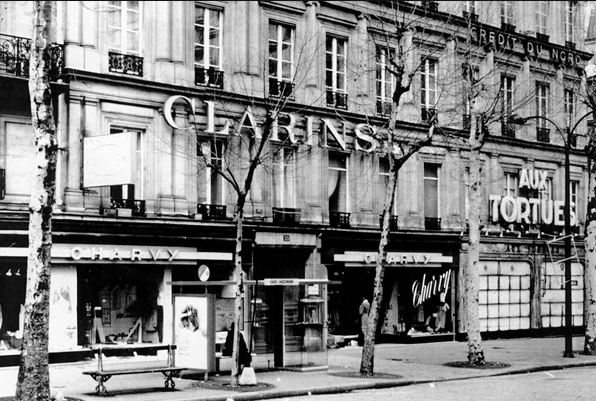
Clarins began not as a global luxury house but as a quiet Parisian institute built on touch, ritual and the belief that beauty was inseparable from well‑being. In 1954, Jacques Courtin‑Clarins opened his first treatment studio in the 8th arrondissement, offering massage‑based therapies and plant‑infused formulas at a time when French beauty was shifting toward a more holistic, skin‑focused philosophy. The brand’s earliest identity was intimate and artisanal — rooted in hands‑on care rather than mass‑market cosmetics.
The 1950s were a decade defined by elegance, optimism and a return to femininity after the austerity of wartime. Women sought products that felt nurturing, sensorial, and refined. Clarins responded with treatments and oils inspired by botanical science, emphasizing the skin’s natural vitality rather than covering it. These early formulas were simple, plant‑forward and designed to support the skin’s balance — a philosophy that would become the brand’s signature for decades to come.
By the 1960s, Clarins had grown from a single institute into a respected French beauty authority. Its early products — body oils, treatment concentrates and plant‑based blends — reflected a new era in skincare: one where women embraced rituals that felt both luxurious and therapeutic. Clarins positioned itself at the intersection of science and sensorial pleasure, offering formulas that promised results while honouring the artistry of touch.
Understanding Clarins’ origins reveals the foundation of its modern identity: a brand built on botanicals, well‑being and the belief that beauty is a dialogue between the skin and the senses. These early decades shaped everything Clarins would become — refined, feminine and unmistakably French.
Early Clarins Products
Tonic Body Treatment Oil (1954) — their first product
Contour Body Treatment Oil
Relax Body Treatment Oil
Aromatherapy-based facial oils
Plant extracts as active ingredients (revolutionary at the time)
I’m Stacey Hobbs, thanks for reading Face by Stace! Until next time. do you feel fabulous today?
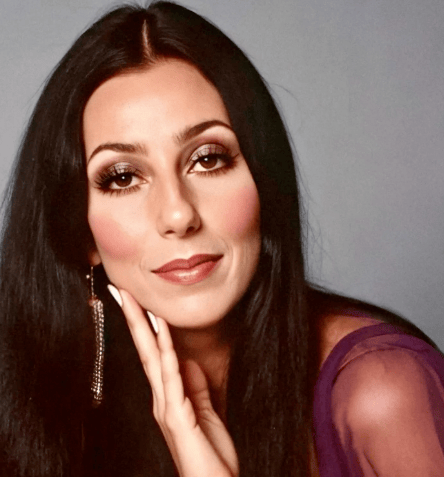
Cher’s 1970s disco era wasn’t just fashion — it was a full aesthetic language. Sleek hair, sculpted cheekbones, glossy skin and dramatic eyes created a look that felt electric under stage lights and un-forgettable on television. Her beauty in this period blended Hollywood glamour with Studio 54 sensuality, resulting in a style that was both iconic and surprisingly achievable.
Cher understood the power of contrast: luminous skin against deep shadow, glossy lips against bold lashes and a long, straight curtain of hair that framed her face like a spotlight. Her disco look wasn’t about excess — it was about precision, shine and attitude.
Below is the breakdown of her signature 1970s disco beauty.
1. The Ultra‑Sleek Hair
Cher’s hair in the disco era was famously:
long
straight
glossy
centre‑parted
It created a dramatic silhouette. The look relied on shine, weight and simplicity — no curls, no volume, just pure sleekness.
2. Sculpted Cheekbones
The 1970s loved a strong cheekbone and Cher perfected it. Her makeup artists used:
taupe contour
soft bronzer
subtle highlight
The effect was a lifted, angular face that photographed beautifully and added drama to her stage presence.
3. Smoky, Defined Eyes
Cher’s disco eye look was bold but controlled:
deep brown or black shadow
smoked into the crease
heavy liner along the upper lashes
soft smudge along the lower lashes
thick, fluttery mascara
Her eyes were expressive, sultry and framed with intentional darkness — perfect for the era’s lighting and glamour.
4. Glossy, Neutral Lips
Cher often wore:
nude gloss
soft caramel tones
peachy neutrals
The lips balanced the dramatic eyes and kept the look modern, polished and sensual.
5. Luminous Skin
Her complexion was:
smooth
radiant
lightly bronzed
subtly highlighted
This glow gave her face dimension under stage lights and added to the disco aesthetic.
Cher’s 1970s disco look remains one of the most recognizable beauty signatures of the decade — sleek, sculpted and effortlessly glamorous. It captured the spirit of the era: bold, sensual and un-apologetically expressive. Re-creating her look today is not about imitation but about embracing the confidence and shine that made Cher a true disco icon.
I’m Stacey Hobbs, thanks for reading Face by Stace! Until next time. do you feel fabulous today?
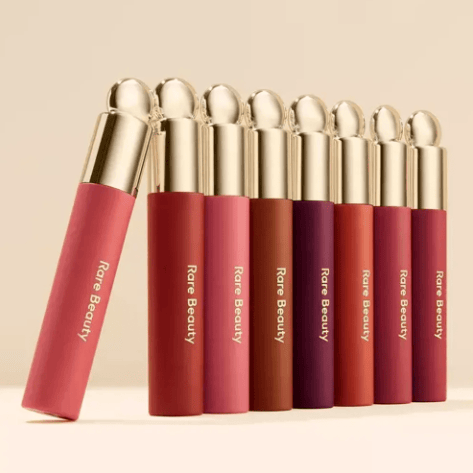
Rare Beauty’s Soft Pinch Lip Oil Stick is one of those hybrid formulas that feels instantly intuitive — a lip oil, gloss and lipstick in one. It’s designed to deliver shine without stickiness, colour without heaviness and comfort that is a long-lasting formula, lasting up to twelve hours. The texture is silky, the finish is juicy and the application is mess‑free thanks to its solid‑oil stick format. oft Pinch Lip Oil Stick is for all skin types, for everyone, including sensitive‑skin users, plus it is dermatologist tested. Cruelty Free. Paraben Free. Vegan.
Texture & Application The formula glides on like a lightweight balm, melting into the lips with a smooth, plush slip. It’s not sticky, not waxy and not overly glossy — instead, it creates a soft, hydrated sheen that looks fresh and effortless. The solid‑oil stick format makes it cleaner and easier than traditional liquid lip oils.
Colour & Finish Rare Beauty promises bold, one‑swipe colour, and it delivers. Shades like Wish(bright coral), Dream (mauve), and Muse(nude beige) offer buildable pigment that stays comfortable for up to 8 hours. The finish is juicy and plump, giving the lips a healthy, hydrated look without feeling heavy.
Hydration & Ingredients The formula is rich in apple seed oilwhich helps lock in moisture and support the lip barrier. Nourishing oils keep the lips soft, smooth and conditioned throughout wear.
Rare Beauty’s Soft Pinch Lip Oil Stick is a modern, intuitive lip product that blends comfort, shine, and colour into one effortless swipe. It’s the kind of formula that feels instantly wearable — soft, juicy, and quietly glamorous. If you love lip oils but want more pigment and less mess, this is one of the best hybrid options on the market right now.
Have you tried Rare Beauty Soft Pinch Lip Oil Stick? Let me know, I’d love to hear from you!
I’m Stacey Hobbs, thanks for reading Face by Stace! Until next time. do you feel fabulous today?
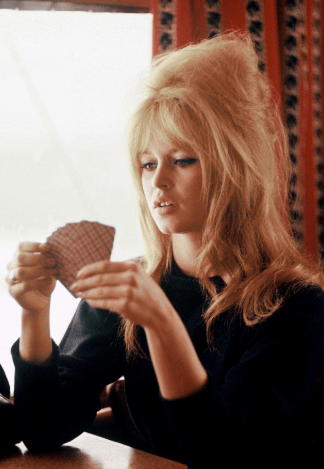
Brigitte Bardot’s beauty was never accidental. Behind the tousled hair, the sun‑kissed skin and the effortless sensuality was a ritual built on precision — and at the center of it was kohl. Bardot’s signature eye look, that smoky, lived‑in line that made her gaze both innocent and dangerous, came from a technique rooted in French cinema, North African tradition and her own instinctive understanding of how to shape a face with shadow.
The Soft, Smudged Line That Defined an Era
Bardot didn’t wear sharp eyeliner. She wore kohl — a softer, more malleable pigment that melted into the lash line. Applied with a fingertip or a small brush, it created a blurred, sensual frame around the eyes. This was not a graphic cat‑eye; it was a whisper of darkness that made her gaze look deeper, warmer and more expressive.
A Mediterranean Influence
Her kohl ritual drew inspiration from North African beauty traditions, where kohl had been used for centuries to protect the eyes and enhance their shape. Bardot adopted this softness, blending the pigment into the upper and lower lash lines until it looked like part of her natural anatomy — not makeup sitting on top of it.
The Power of Imperfection
What made Bardot’s kohl iconic was its imperfection. She allowed it to smudge, to settle into the corners of the eyes, to look slightly worn‑in by the end of the day. This gave her beauty a human quality — sensual, approachable and rebellious. It was the opposite of the polished Hollywood glamour of the 1950s.
How She Applied It
Her technique was simple:
a soft kohl pencil
applied close to the lashes
smudged with a fingertip
blended outward for a smoky halo
paired with minimal mascara and bare lids
The result was an eye look that felt intimate, as if it belonged to her alone.
Why Bardot’s Kohl Endures
Her kohl ritual became a symbol of French beauty: effortless, sensual and defiant. It wasn’t about perfection — it was about emotion. Bardot’s eyes told a story and the kohl was the ink.
Brigitte Bardot’s kohl ritual wasn’t just makeup; it was a philosophy. It celebrated softness over structure, instinct over precision, and sensuality over performance. In understanding how she lined her eyes, we understand the essence of Bardot herself — a woman who defined beauty not by rules but by feeling.
I’m Stacey Hobbs, thanks for reading Face by Stace! Until next time. do you feel fabulous today?