The 1930s Makeup Routine (Step‑by‑Step)

The 1930s face was soft, romantic and shaped by early Hollywood lighting — a velvety matte complexion, rounded brows, gentle kohl and deep photogenic lips. Beauty in this decade balanced practicality with aspiration, creating a look that felt both elegant and resilient. Women didn’t have complex routines or contour palettes; they relied on a handful of essential products applied with intention.

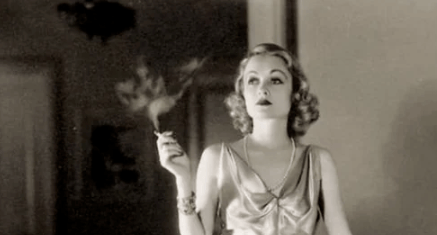
Ginger Rogers, 1930s/classiccriticscorner.com
Greta Garbo, 1930s/classiccriticscorner.com

Below is the step‑by‑step ritual that defined the decade’s candlelit glamour.

Step 1: Cold Cream Cleanse

Every routine began with cold cream — Pond’s was the classic. Women massaged it into the skin to dissolve makeup and hydrate, then wiped it away with a soft cloth. This left the complexion dewy and prepared for powder. 

Step 2: Powder Foundation for a Creamy Matte Base

Liquid foundation wasn’t common yet. Women used loose or pressed powder compacts to create a velvety matte finish that photographed beautifully. Powder was applied generously with a puff, creating the decade’s signature “creamy matte” complexion. Not caked on, unless it was for the Hollywood screen due to studio lights. 

Step 3: Rouge on the Apples of the Cheeks

Rouge was applied only to the apples of the cheeks — never sculpted or angled. Cream rouge pots in rose, raspberry or soft red were tapped in with fingertips for a natural flush. 

Step 4: Thin, Rounded Brows

Brows were shaved, only to be re-drawn, as it was in the 1920s brows (rarely plucked/tweezed) into a thin, rounded shape inspired by Hollywood stars like Jean Harlow. Pencil was used, focusing on softness rather than definition. It gave that surprise look to the whole face, one may say. Today, instead of shaving off the brows, brow blocking is a technique used. 

Step 5: Soft Kohl Along the Lashes

Eye makeup was minimal. A thin line of kohl was applied along the upper lashes and lightly smudged for softness. Sometimes a touch was added to the lower lash line for gentle definition.

Step 6: Cake Mascara

Mascara came in cake form, applied with a small brush dipped in water, more commonly, women would use saliva as opposed to water, so women would spit into their cake mascara. Cake mascara, much like cake liner, today, requires water not saliva, to activate the product’s usage. Black was the common choice of hue. Although brown was another option. The effect was subtle — just enough to define the lashes.

Step 7: Deep Red Lipstick

Lipstick was the star of the 1930s face. Women applied deep, photogenic shades directly from the tube, then blotted to create a velvety finish. The shape was rounded and full, with a soft Cupid’s bow. Deep red lipstick, this would would be a blue under-tone, making the hue a cool-tone. Common shades were either wine or berry.

The 1930s makeup ritual was simple, intentional and shaped by the glamour of early cinema. Women used just a few products to create a face that felt polished, expressive and quietly elegant. This step‑by‑step routine captures the essence of the decade — a beauty philosophy defined by softness, discipline and unmistakable style.

Joan Bennett (left) and Carole Lombard (right), 1930s/classiccriticscorner.com

I’m Stacey Hobbs, thanks for reading Face by Stace! Until next time.
do you feel fabulous today?

1970s Skin Finish (How-To Achieve the Glow)

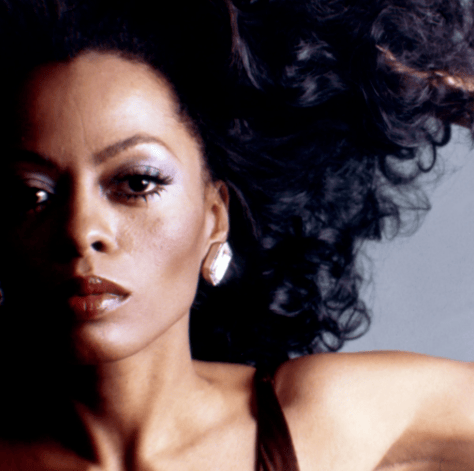
The 1970s glow wasn’t accidental — it was crafted. Skin in this era was luminous, bronzed and subtly reflective, designed to catch light in photographs on television and under disco balls. The finish was warm, healthy and sensual with a lived‑in quality that felt modern even for today.

Women achieved the look through:

1. Cream Foundations and Tinted Moisturizers
These created a dewy base that looked natural rather than matte. The skin wasn’t powdered heavily — it was allowed to breathe and shine.

2. Bronzer as a Signature Step
Bronzer became a defining product of the decade. Applied to:

  • cheeks
  • temples
  • jawline
  • sometimes shoulders and décolletage

It gave the skin warmth and dimension, mimicking a sun‑kissed glow.

3. Subtle Highlighting
Highlighter wasn’t the blinding shimmer of today. It was:

  • soft
  • pearlescent
  • candlelit

Applied to the cheekbones and brow bone, it created a gentle radiance.

4. Natural Skin Texture
The 1970s didn’t chase perfection. Freckles, pores and natural sheen were embraced. The glow came from natural radiance, from hydrated skin, not necessarily from layers of product.

The result was a complexion that felt alive — warm, radiant and effortlessly glamorous. It was the perfect canvas for disco beauty: expressive, sensual and unforgettable under the lights.

I’m Stacey Hobbs, thanks for reading Face by Stace! Until next time.
do you feel fabulous today?
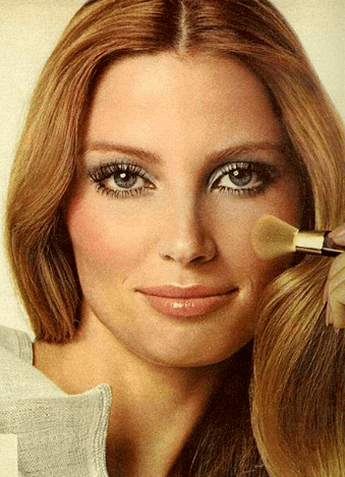
Diana Ross’s Glamour Routine

Diana Ross didn’t just wear glamour — she defined it. Her beauty ritual in the 1960s and 1970s was a study in radiance, precision and performance. Every detail was intentional: the lashes, the gloss, the sculpted cheekbones, the luminous skin. Ross understood that glamour wasn’t about excess — it was about presence. Her ritual created a face that could command a stage, a camera and an entire era.

The Luminous Skin

Ross’ complexion was always radiant, never flat. Her makeup artists used:

  • cream foundations
  • soft powder for strategic mattifying
  • subtle highlight along the cheekbones
  • warm bronzer to add depth

The result was a complexion that looked alive under studio lights — glowing, dimensional and un-mistakably hers.

The Sculpted Cheekbones

Her cheekbones were one of her strongest features. Makeup artists emphasized them with:

  • taupe contour
  • warm blush
  • a touch of shimmer

This created a lifted, elegant structure that framed her eyes and added drama to her stage presence.

The Iconic Eyes

Diana Ross’ eyes were expressive, glamorous and dramatic. Her ritual included:

  • deep black liner
  • smoked shadow in browns and charcoals
  • heavy lashes — often stacked
  • defined lower lash line for intensity

Her eyes were designed to communicate emotion from across a room. They were the centrepiece of her glamour.

The Glossy Lips

Ross favoured glossy, full lips that caught the light beautifully. Her signature shades included:

  • warm nudes
  • soft roses
  • caramel tones
  • classic reds for high‑glam moments

Gloss was essential — it added movement, shine and sensuality.

The Hair: Volume and Silhouette

Her hair was part of her glamour ritual. Whether sleek, voluminous or sculpted into dramatic shapes, it always framed her face with intention. Ross understood that hair wasn’t just styling — it was architecture.

Diana Ross’s glamour ritual was a masterclass in intentional beauty. She blended radiance, structure and drama into a look that felt both iconic and deeply personal. Her ritual wasn’t about following trends — it was about creating a presence.

I’m Stacey Hobbs, thanks for reading Face by Stace! Until next time.
do you feel fabulous today?
Eggs Were All the Rage in the 1950s!

Egg beauty rituals weren’t new to the 1950s. As early as 1929, companies were selling “Miracle Egg Shampoo,” a protein‑rich formula inspired by homemade egg yolk treatments. This early commercial product helped popularize egg‑based beauty long before mid‑century magazines turned it into a household ritual in the 1950s.

In the 1950s, beauty culture was split between glamorous Hollywood salons and the rise of “kitchen cosmetics” — simple, affordable treatments women could make at home. Among all the ingredients that defined mid‑century beauty, eggs were the undisputed star. From tightening masks to glossy hair treatments, eggs were used everywhere: in homes, in spas and even in the beauty routines of Golden Age Hollywood icons.

Why eggs? They were accessible, inexpensive and packed with natural proteins and fats that delivered instant results. Egg whites tightened and lifted the skin, while egg yolks added shine and moisture. Beauty magazines, salon pamphlets and Hollywood interviews all praised eggs as a miracle ingredient.

This series explores the most popular egg‑based treatments of the 1950s — each one a snapshot of mid‑century beauty culture. Some were used by everyday women, others by actresses preparing for close‑ups and a few were quirky spa rituals that feel almost unbelievable today.

Here are the seven treatments we’ll be exploring:

1. Egg White Face Tightening Mask

A classic 1950s ritual used for instant lift before makeup. Hollywood actresses relied on egg whites to create a smooth, taut canvas under powder and pancake makeup.

2. Egg Yolk Hair Gloss Treatment

Egg yolks were prized for shine and softness. Mid‑century salons used yolk‑based masks to revive hair dulled by hot rollers and setting lotions.

3. Egg White Scalp Cleanser

A purifying treatment used in home beauty routines to remove buildup and refresh the scalp — especially popular among women who set their hair weekly.

4. Egg White Back Massage (Spa Ritual)

One of the most surprising treatments of the decade. Spas used whipped egg whites for smoothing, tightening and a cooling massage effect. 

5. Egg White + Lemon Pore Refining Mask

A favourite “kitchen cosmetic.” Lemon clarified, egg white tightened — a quick ritual before date nights, dances or social events.

6. Egg + Olive Oil Hair Mask

A classic home remedy for moisture and shine. Olive oil softened the hair while egg added strength — a staple for women with dry or heat‑styled hair.

7. Egg + Milk Spa Body Mask

Used in spas for smoothing and brightening the skin. Milk softened, egg tightened and the combination was considered luxurious.

Throughout this series, we’ll also highlight Golden Age Hollywood icons — male and female — who were known for using egg‑based treatments. Stars often shared their beauty secrets in magazines and eggs appeared frequently in those interviews.

This is vintage beauty at its best: simple, glamorous and wonderfully nostalgic. Let’s explore the rituals that defined 1950s beauty culture, one egg at a time.

I’m Stacey Hobbs, thanks for reading Face by Stace! Until next time.
do you feel fabulous today?
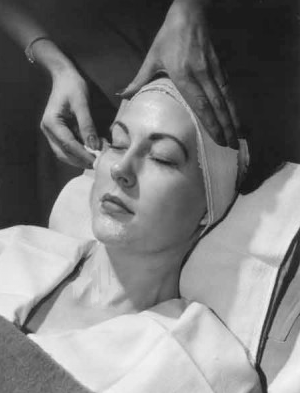
Egg‑based beauty treatments appeared throughout 1950s women’s magazines such as Ladies’ Home Journal, Woman’s Day, McCall’s, Good Housekeeping, and Modern Beauty Shop. These publications regularly featured “kitchen cosmetics,” including egg white tightening masks, egg yolk hair gloss treatments, and lemon‑and‑egg pore refiners.

Hollywood beauty columns in magazines like Photoplay, Motion Picture, and Modern Screen often mentioned egg whites as a pre‑makeup tightening ritual used by actresses preparing for close‑ups.

I’m Stacey Hobbs, thanks for reading Face by Stace! Until next time.

do you feel fabulous today?
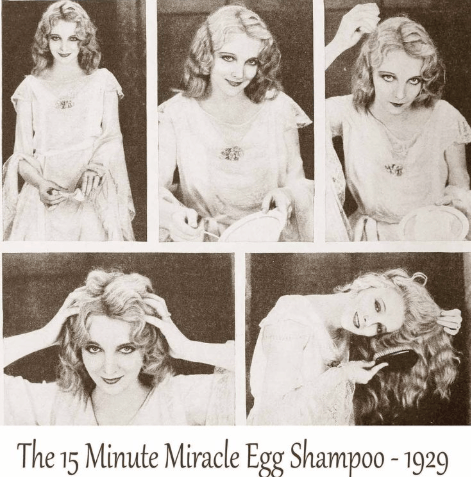
The 1929 “Miracle Egg Shampoo”: What Was It? (Plus Authentic Recipe)

Egg beauty rituals had been popular long before the 1950s. In 1929, companies were already selling “Miracle Egg Shampoo,” a protein‑rich formula inspired by the homemade egg yolk treatments women used for shine and softness. By mid‑century, egg‑based beauty recipes appeared regularly in magazines such as Ladies’ Home Journal, Woman’s Day, McCall’s, and Good Housekeeping, cementing eggs as a staple of vintage beauty culture.

In the late 1920s, beauty companies began commercializing “egg shampoos” because women were already using egg yolks at home to soften and gloss the hair. The most referenced product was:

“Miracle Egg Shampoo” (1929)

A commercial shampoo advertised as containing real egg yolk, promising:

  • shine
  • softness
  • manageability
  • “natural protein treatment”

It appeared in:

  • 1929 beauty advertisements
  • women’s magazines
  • drugstore circulars
  • early beauty manuals

‘

The 1929 “Miracle Egg Shampoo” wasn’t just a product — it was based on a real homemade recipe women were already using.

Egg yolk treatments weren’t new to the 1950s. As early as 1929, women used simple egg‑yolk hair washes at home — a ritual so popular that companies began selling “Miracle Egg Shampoo,” one of the earliest protein‑based shampoos on the market.

Beauty manuals and women’s magazines in the late 1920s referenced a simple egg yolk wash that inspired the commercial product.

1929 Egg Yolk Hair Wash

Ingredients:

  • 1 egg yolk
  • 1 tablespoon tepid water
  • Optional: a few drops of lemon juice (for freshness, it also lightens)

Method:
Beat the egg yolk until smooth. Mix with tepid water. Massage into the scalp and hair. Rinse with cool water. Repeat once if hair was heavily oiled or styled.

This recipe was widely used in the 1920s and early 1930s, and commercial companies simply bottled the idea. 

This product is often cited in beauty history books as one of the earliest examples of a protein‑based shampoo marketed to women.

I’m Stacey Hobbs, thanks for reading Face by Stace! Until next time.
do you feel fabulous today?

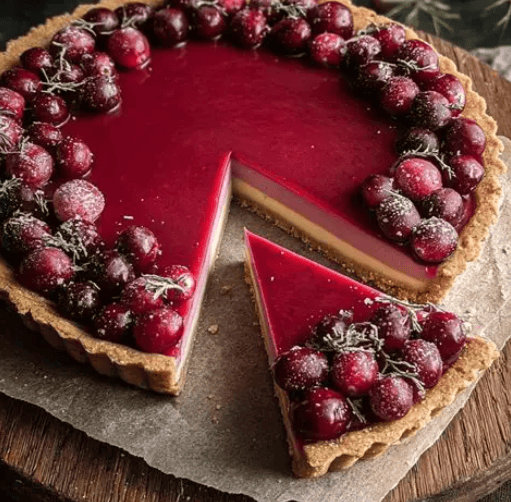
Argentinian Inspired: Cranberry Dulce de Leche Tart

A rich, elegant Argentinian tart that pairs creamy dulce de leche with bright, ruby‑toned cranberries for a dessert that’s both nostalgic and modern. The caramel sweetness of dulce de leche melts into the tart fruit creating a balanced, glossy filling set inside a buttery crust. It’s festive, indulgent and deeply rooted in South American pastry tradition — with a fresh North‑American twist.

Prep 20 min Cook 30–35 min Serves 8 slices

Cranberry Tart
Cranberry Tart/sharetheoven.com

Ingredients

1 ¼ cups all-purpose flour
½ cup cold butter, cubed
¼ cup sugar
1 egg yolk
1–2 tbsp cold water
Pinch salt
1 cup dulce de leche
1 ½ cups fresh or frozen cranberries
¼ cup sugar
1 tbsp honey or maple syrup
1 tbsp lemon juice
½ tsp vanilla
Pinch salt
Powdered sugar (to finish)
Extra dulce de leche drizzle (optional)

Instructions

  1. Make the Crust
    Combine flour, sugar, and salt. Cut in butter until crumbly. Add egg yolk and water until dough forms. Press into tart pan, chill 15 minutes, then bake at 350°F (180°C) for 12–15 minutes.
  2. Cook the Cranberries
    Simmer cranberries, sugar, honey, lemon juice, vanilla, and salt for 8–10 minutes until cranberries burst and mixture thickens.
  3. Combine with Dulce de Leche
    Remove from heat and fold in dulce de leche until glossy and smooth.
  4. Assemble
    Pour warm filling into baked crust. Smooth top and bake 15–20 minutes until set.
  5. Serve
    Cool completely. Dust with powdered sugar or drizzle with extra dulce de leche.
Irresistible Cranberry Curd Tart: 1 Amazing Recipe – venyum
Irresistible Cranberry Curd Tart: 1 Amazing Recipe – venyum/yummywords.com

Beauty Benefits

  • Vitamin C from cranberries supports collagen and brightens the complexion.
  • Antioxidants help protect skin from environmental stressors.
  • Healthy fats from butter support skin barrier moisture.
  • Dulce de leche’s calcium contributes to skin vitality.
  • Anti‑inflammatory fruit compounds help calm redness.

Health Benefits

  • Cranberries provide immune‑supporting antioxidants.
  • Dairy offers calcium for bone and skin health.
  • Lower‑sugar fruit component balances the sweetness of dulce de leche.
  • Natural fibre from cranberries supports digestion.
  • Energy‑supporting carbohydrates make this a satisfying dessert.

Storage

  • Refrigerator: 3–4 days
  • Freezer: Not recommended — dulce de leche can crystallize
  • Reheat: Serve at room temperature for best texture
  • Make‑ahead tip: Filling deepens in flavour after 24 hours

Substitutions

  • Cranberries: Sour cherries, raspberries, or red currants
  • Dulce de leche: Cajeta (goat’s milk caramel)
  • Crust: Puff pastry or cookie crust (Maria biscuits + butter)
  • Sweetener: Maple syrup or brown sugar
  • Flavour boosters: Cinnamon, orange zest, or vanilla bean

History + Cultural Context

Dulce de leche is one of Argentina’s most iconic culinary staples, found in pastries, cakes and café desserts across the country. Cranberries introduce a North‑American twist that mirrors the tartness of traditional South American fruits like quince (membrillo) and sour cherry.

This tart blends Patagonian fruit tradition with classic Argentinian caramel creating a dessert that feels both rustic and refined — perfect for holidays, gatherings or Latin‑inspired baking.

I’m Stacey Hobbs, thanks for reading Face by Stace! Until next time.
do you feel fabulous today?