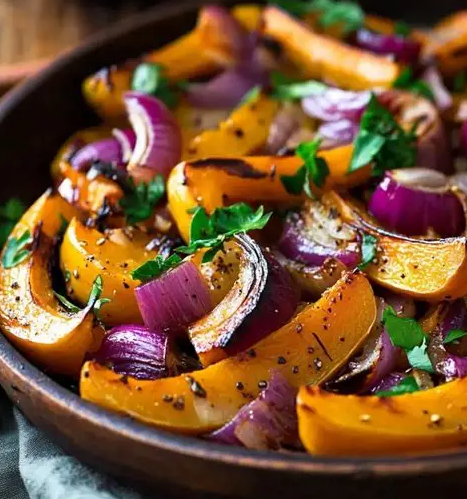
Jillian Harris Inspired: Roasted Butternut Squash & Red Onions with Tahini

A bright, cozy, West‑Coast‑feminine dish inspired by Jillian Harris’ signature glow aesthetic. Sweet roasted butternut squash and caramelized red onions meet a silky maple‑tahini drizzle that feels both nourishing and elevated. It’s warm, colourful and perfect for autumn dinners, brunch spreads or wellness‑forward entertaining.

High in fibre.

Prep 15 min Cook 30–35 min Serves 4

Roasted Butternut Squash and Red Onions with Tahini Magic - Jillian's Recipes
Roasted Butternut Squash and Red Onions with Tahini Magic – Jillian’s Recipes/www.jillianrecipes.com

Ingredients

1 medium butternut squash, peeled and cubed
1 large red onion, sliced into wedges
2 tbsp olive oil
1 tsp maple syrup
1/2 tsp sea salt
1/4 tsp black pepper
1/4 tsp cinnamon (optional)
3 tbsp tahini
1 tbsp lemon juice
1 tbsp maple syrup (for sauce)
1–2 tbsp warm water, to thin
Pinch salt
Optional garlic powder or splash of apple cider vinegar
Handful fresh parsley
2 tbsp toasted pumpkin seeds

Instructions

  1. Roast the vegetables
    Preheat oven to 400°F (200°C). Toss squash and red onions with olive oil, maple syrup, salt, pepper and cinnamon. Spread on a parchment-lined baking sheet and roast 30–35 minutes, flipping halfway until caramelized and golden.
  2. Make the tahini magic drizzle
    Whisk tahini, lemon juice, maple syrup, and salt. Add warm water gradually until smooth and pourable. Adjust sweetness or acidity to taste.
  3. Assemble
    Transfer roasted vegetables to a serving platter. Drizzle generously with tahini sauce. Finish with parsley, pumpkin seeds and an optional extra drizzle of maple syrup.

Beauty Benefits

  • Beta‑carotene from squash supports skin radiance and natural glow.
  • Tahini’s healthy fats nourish the skin barrier for softness and hydration.
  • Red onions’ antioxidants help protect skin from environmental stressors.
  • Maple syrup offers trace minerals that support skin vitality.
  • Lemon juice brightens complexion with natural vitamin C.

Health Benefits

  • High in fibre for digestion and satiety.
  • Tahini provides calcium, iron, and healthy fats for balanced nutrition.
  • Antioxidant‑rich vegetables support immune health.
  • Naturally gluten‑free and plant‑based.
  • Lower‑sugar savoury dish with gentle sweetness from maple.

Storage

  • Refrigerator: 3–4 days
  • Freezer: Squash freezes well; onions soften slightly
  • Reheat: 350°F for 10 minutes
  • Tahini sauce: Keeps 5–7 days in the fridge

Substitutions

  • Squash: Sweet potatoes or acorn squash
  • Tahini: Almond butter or cashew butter
  • Maple syrup: Honey or agave
  • Red onions: Shallots or yellow onions
  • Add‑ins: Chickpeas, quinoa, feta or pomegranate seeds

History + Cultural Context

This dish blends Middle Eastern tahini tradition with West‑Coast comfort cooking. Jillian Harris often highlights simple, nourishing meals with bright colours, seasonal produce, and approachable elegance — exactly what this recipe embodies. Butternut squash and tahini are a natural pairing, and the addition of red onions brings a rustic warmth reminiscent of cozy Canadian autumn cooking.

I’m Stacey Hobbs, thanks for reading Face by Stace! Until next time.
do you feel fabulous today?
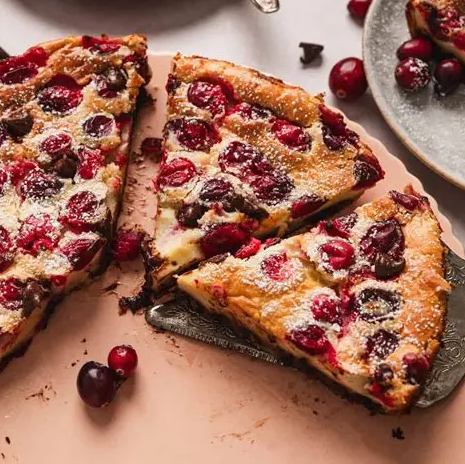
Pardon Your French Inspired: Cranberry Clafoutis (French Countryside Custard Bake)

A soft, custardy French countryside bake that pairs tart cranberries with a delicate vanilla‑kissed batter. Inspired by the rustic elegance of Pardon Your French, this clafoutis is orchard‑fresh and simple — the kind of dessert you’d find cooling on a windowsill in rural Limousin. Lightly sweet, ruby‑toned and perfect for brunch, afternoon tea or cozy autumn entertaining.

Prep 10 minutes Cook 35–40 minutes Serves 6–8

Recipe For Clafoutis – Foxes Love Lemons/foxeslovelemons.com

Ingredients

1 cup whole milk
1/2 cup heavy cream
3 large eggs
1/2 cup sugar
1 tsp vanilla extract
1/2 cup all-purpose flour
Pinch salt
1 1/2 cups fresh or frozen cranberrie
1 tbsp sugar (for sprinkling)
Optional 1/2 tsp orange zest
To finish Powdered sugar, honey or maple syrup

Instructions

  1. Prepare the Cranberries
    Grease a 9-inch baking dish. Scatter cranberries evenly across the bottom and sprinkle with 1 tbsp sugar.
  2. Make the Custard
    Whisk eggs and sugar until pale. Add milk, cream, vanilla, and salt. Whisk in flour until smooth and lump-free.
  3. Assemble
    Pour custard over the cranberries. Tap the dish gently to release air bubbles.
  4. Bake
    Bake at 350°F (180°C) for 35–40 minutes, until set and lightly golden. The center should remain softly custardy.
  5. Serve
    Dust with powdered sugar and serve warm or at room temperature.

Beauty Benefits

  • Vitamin C from cranberries supports collagen and brightens the complexion.
  • Antioxidants help protect skin from environmental stressors.
  • Healthy fats from milk and cream support skin barrier moisture.
  • Eggs provide biotin and selenium for hair and nail vitality.
  • Anti‑inflammatory phytonutrients help calm redness.

Health Benefits

  • Protein‑rich from eggs for satiety and energy.
  • Immune‑supporting cranberries offer vitamin C and polyphenols.
  • Calcium from dairy supports bone health.
  • Lower‑sugar dessert compared to traditional cakes.
  • Fruit‑forward for natural antioxidants and fibre.

Storage

  • Refrigerator: 3–4 days
  • Freezer: Not recommended — custard texture changes
  • Reheat: 300°F for 10 minutes
  • Make‑ahead tip: Best served within 24 hours for optimal texture

Substitutions

  • Cranberries: Sour cherries, raspberries or red currants
  • Milk: Almond milk or oat milk (texture slightly lighter)
  • Flour: Gluten‑free all‑purpose blend
  • Sweetener: Honey, maple syrup or coconut sugar
  • Flavour boosters: Orange zest, almond extract or vanilla bean

History + Cultural Context

Clafoutis originates from Limousin, France, traditionally made with black cherries baked in a simple, eggy batter. Its charm lies in its rusticity — unfussy, homey and deeply tied to French countryside cooking.

Cranberries introduce a North‑American twist while still respecting the clafoutis’ heritage: fruit suspended in a tender, custard‑like base. The tartness mirrors classic French orchard fruits like red currants and sour cherries.

I’m Stacey Hobbs, thanks for reading Face by Stace! Until next time.
do you feel fabulous today?
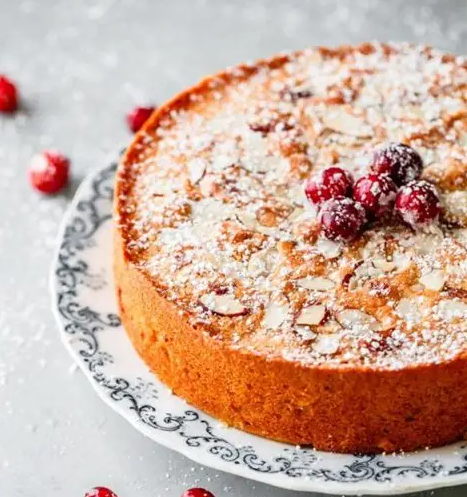
Portuguese Inspired: Cranberry Almond Torta

Rustic, tender, almond‑rich — a classic Portuguese bakery torta with a cranberry twist.

A light, rustic Portuguese‑inspired torta that blends tart cranberries with fragrant almond flour for a naturally elegant, coastal‑Mediterranean dessert. The texture is soft, tender and subtly nutty, with bright cranberry notes that cut through the richness. It’s the kind of simple, heritage‑style cake you’d find in a family kitchen from Minho to Algarve — un-fussy, deeply flavourful and perfect for autumn and winter entertaining.

Prep 15 minutes Cook 35–40 minutes Serves 8

Cranberry Christmas Torte Cake Recipe | Cranberry cake slice on plate, Cranberry almond ...
Cranberry Christmas Torte Cake Recipe | Cranberry cake slice on plate, Cranberry almond …

Ingredients

1 cup almond flour
1 cup all-purpose flour
1 cup granulated sugar
1 tsp baking powder
1/4 tsp sea salt
3 large eggs
1/2 cup unsalted butter, melted
1 tsp vanilla extract
1 tsp almond extract
zest of 1 lemon
1 cup fresh or frozen cranberries
1/4 cup sliced almonds (for topping)
1 tbsp coarse sugar (optional)

Instructions

  1. Prepare the pan
    Grease a 9‑inch cake or torta pan and line the bottom with parchment.
  2. Mix dry ingredients
    Whisk almond flour, all-purpose flour, sugar, baking powder, and sea salt.
  3. Whisk wet ingredients
    In a separate bowl, whisk eggs, melted butter, vanilla, almond extract, and lemon zest.
  4. Combine
    Pour wet ingredients into dry and mix gently until smooth.
  5. Add cranberries
    Fold in cranberries; batter will be thick.
  6. Top and bake
    Spread batter evenly in the pan. Sprinkle sliced almonds and coarse sugar. Bake at 350°F (175°C) for 35–40 minutes until golden and a tester comes out clean.
  7. Cool and serve
    Cool for 15 minutes before slicing. Serve warm or at room temperature.
Cranberry Almond Cake: Moist and Festive

Cranberry Almond Cake: Moist and Festive/www.vegasqa.com

Beauty Benefits

  • Collagen support — Cranberries contain vitamin C, which helps support natural collagen formation for firmer, brighter skin.
  • Antioxidant protection — Almonds and cranberries are rich in polyphenols that help neutralize free radicals linked to dullness and premature aging.
  • Skin barrier nourishment — Almond flour provides vitamin E, a lipid‑loving antioxidant that supports moisture retention and helps soften the skin’s appearance.
  • Glow‑boosting minerals — Eggs contribute selenium and biotin, both associated with healthy hair, nails, and overall skin vitality.
  • Anti‑inflammatory benefits — Cranberries’ natural phytonutrients may help calm inflammation, supporting a more even‑toned complexion.

Health Benefits

  • Heart‑healthy fats — Almond flour is high in monounsaturated fats that support cardiovascular health.
  • Blood sugar balance — Almond flour’s protein and fibre help slow digestion, reducing blood sugar spikes compared to wheat‑based cakes.
  • Immune support — Cranberries’ vitamin C and antioxidant content help strengthen immune function, especially during colder seasons.
  • Digestive wellness — Cranberries contain natural compounds that support urinary tract health and may help reduce inflammation in the digestive system.
  • Nutrient density — Eggs add high‑quality protein and essential vitamins, making this torta more nourishing than traditional sponge cakes.

Substitutions

  • Almond flour: Substitute with hazelnut flour or finely ground walnuts for a deeper, earthier flavour.
  • Cranberries: Use sour cherries, raspberries, or red currants for similar tartness.
  • Sugar: Coconut sugar or light brown sugar adds caramel notes; reduce slightly to avoid over‑sweetening.
  • Oil/butter: Melted coconut oil works well; for a richer Portuguese feel, use olive oil.
  • Gluten‑free option: The torta is naturally gluten‑free if almond flour is the primary base.

Storage

  • Room temperature: Store covered for 2 days.
  • Refrigerator: Keeps well for 4–5 days in an airtight container.
  • Freezer: Freeze slices for up to 2 months; thaw at room temperature.
  • Texture tip: Because almond flour retains moisture, the torta stays tender even after chilling.

History + Cultural Context

This torta draws inspiration from Portugal’s long tradition of almond‑based cakes, especially those from the Algarve, where almond trees thrive in the warm Mediterranean climate. Portuguese tortas are typically thin, tender, and rustic — often rolled, filled, or served simply with fruit and powdered sugar.

Cranberries are not native to Portugal, but their tartness mirrors the flavour profile of traditional Iberian red fruits like sour cherries (ginja) and red currants. Integrating cranberries into a Portuguese almond torta creates a modern, North‑American twist that still respects the simplicity and heritage of Portuguese baking.

The combination of almonds and fruit is deeply rooted in Portuguese convent‑style desserts, where nuns historically used nuts, sugar, and eggs to create delicate pastries. This torta continues that lineage with a lighter, contemporary feel.

I’m Stacey Hobbs, thanks for reading Face by Stace! Until next time.
do you feel fabulous today?
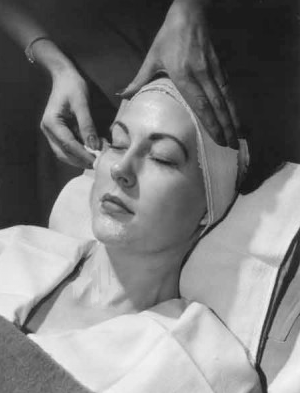
Egg White Face Tightening Mask (1950s Classic, Plus Homemade Recipe)

In the 1950s, women loved beauty routines that delivered instant results and nothing worked faster than a simple egg white mask. This tightening treatment was a staple in mid‑century homes, beauty parlors and even Hollywood dressing rooms. It was the go‑to trick before dates, dances, photo sessions, and social events — a quick lift that made the skin look smooth under powder and pancake makeup.

Egg whites were prized for their natural ability to tighten the skin as they dried. The effect wasn’t permanent but it was immediate: pores appeared smaller, fine lines softened and the complexion looked fresh and firm. Beauty magazines of the era often recommended egg whites as a “five‑minute facelift,” and actresses used them before filming close‑ups to create a flawless canvas under studio lighting.

Why Women Used It

  • Instant tightening effect
  • Smaller‑looking pores
  • Smoother makeup application
  • A quick ritual using ingredients that are already in the kitchen

A True 1950s Recipe

Ingredients:
1 egg white 
A few drops of lemon juice (optional)

Method:
Beat the egg white until lightly frothy. Apply a thin layer to the face, avoiding the eyes. Let dry for 10–15 minutes until the skin feels taut. Rinse with cool water and pat dry. Follow with powder or foundation.

Hollywood Connection

Many Golden Age actresses used egg whites as part of their pre‑makeup routine. Stars often shared “kitchen cosmetic” secrets in interviews and egg whites appeared frequently — especially among actresses known for smooth, porcelain skin.

This simple ritual captures the charm of 1950s beauty: accessible, effective and wonderfully nostalgic. It’s a reminder that glamour didn’t always come from a jar — sometimes it came from the refrigerator.

I’m Stacey Hobbs, thanks for reading Face by Stace! Until next time.
do you feel fabulous today?
P.S. This is one of my favourite face masks and have been using since I was a teenager. As I have gotten older I would use this egg white face mask occasionally. I just use an egg white, place it onto my clean skin (so after I have cleansed, so my pores are open and skin is clean), leave the egg white on my skin. The skin begins to feel tight from the egg white which is normal. Depending on the day and time, I will leave the mask on for either five minutes, a bit longer or a bit less. I always remove the mask with cool or cold water with a hand towel.

Bésame Cosmetics: The Early Product Launches

When Bésame Cosmetics first entered the beauty scene, it wasn’t with loud marketing or trend‑driven releases — it was with a quiet, meticulous devotion to history. These early launches set the tone for everything the brand would become: archival, glamorous and deeply rooted in the artistry of vintage beauty.

The First Lipsticks: A Return to 1940s Glamour
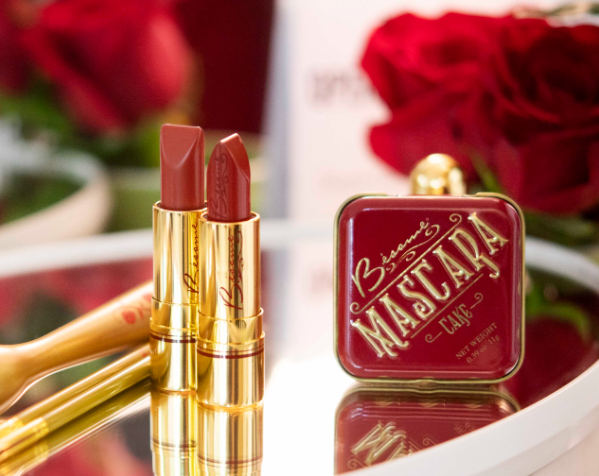
Bésame’s debut lipsticks were modelled after authentic 1940s and 1950s shades, re-created from original samples found in Gabriela Hernandez’s personal vintage collection. The colours weren’t modern re-interpretations — they were true restorations. Shades like Red Velvet and Bésame Red immediately stood out for their depth, accuracy and un-mistakable old‑Hollywood glamour.

These early lipsticks established Bésame’s reputation: a brand that didn’t just make makeup, but revived beauty history.

The Classic Cake Mascara
One of Bésame’s most iconic early launches was the Cake Mascara — a revival of a product used from the 1920s through the 1950s. Instead of a tube and wand, Cake Mascara came as a solid pan activated with water (in those times, women often opted to use saliva to activate their cake mascara by spitting into the product, instead of water, which is what pro make-up artists resort to and the same goes for cake liner), just like the mascaras used by silent‑film actresses and mid‑century starlets. It was both a novelty and a lesson in beauty heritage, instantly embraced by vintage enthusiasts.

The 1930s and 1950s Compacts
Bésame’s early compacts were inspired by original pieces sourced from antique shops and Hollywood collections. Rounded shapes, enamel‑style finishes and deep red‑and‑gold palettes echoed mid‑century design. These compacts weren’t just functional — they were collectible and they helped cement Bésame as a brand that treated cosmetics as artifacts.

Setting the Foundation for Future Collaborations
These early launches laid the groundwork for Bésame’s later collaborations — including Agent Carter, Snow White, and Sleeping Beauty — each one built on the same commitment to historical accuracy. The brand’s first products proved that beauty could be both modern and archival, glamorous and educational, nostalgic and new.

Bésame’s beginnings weren’t just product releases. 
They were the start of a beauty revival.

I’m Stacey Hobbs, thanks for reading Face by Stace! Until next time.
do you feel fabulous today?
Chapter 4: Titanic Beauty Routines

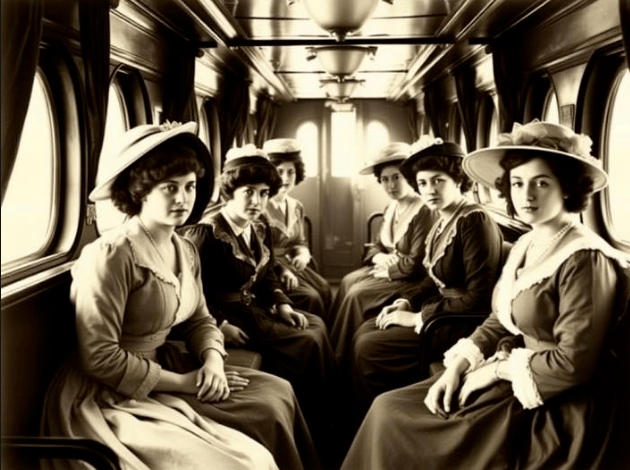
Aboard the RMS Titanic, beauty was not an afterthought — it was a ritual. First‑class women carried their routines with them like heirlooms, preserving the rhythms of Edwardian elegance even in the middle of the Atlantic. Their days un-folded in soft, deliberate gestures: the brushing of hair, the smoothing of cold cream, the whisper of powder across the skin. Beauty was a ritual and every woman spoke it fluently.

To understand their routines is to understand the world they lived in — a world where elegance was expected and refinement was a daily practice.

Morning Rituals: The Art of the Edwardian “Toilette”

The day began with the morning toilette, a ritual that blended grooming, skincare and preparation for the social hours ahead.

A typical routine included:

  • Cleansing with cold cream
    Applied generously, then removed with soft cloths to leave the skin supple.
  • Rinsing with rosewater
    A refreshing tonic believed to brighten the complexion.
  • Brushing the hair
    Often 100 strokes with a boar‑bristle brush to stimulate shine.
  • Applying rice powder
    A light dusting to mattify the skin and create the era’s signature velvety finish.
  • Choosing the day’s scent
    A soft floral or citrus cologne, dabbed at the wrists and behind the ears.

This ritual was un-hurried and deeply personal — a moment of quiet before the social demands of the day.

Hair Care at Sea: Maintaining the Gibson Girl Look

The iconic Gibson Girl hairstyle required daily attention.

Women maintained their coiffures with:

  • hairpins
  • pomades for smoothing
  • brilliantine for shine
  • soft brushes to maintain volume

At night, hair was often:

  • loosely braided
  • wrapped in silk scarves
  • or set with pins or rags to preserve waves

Even at sea, the Edwardian silhouette — soft, voluminous, romantic — remained intact.

Bathing Rituals: Saltwater Luxury

Titanic offered both freshwater and saltwater baths, a rare luxury in 1912.

First‑class women often preferred:

  • saltwater baths for circulation
  • scented soaps (rose, lavender, violet)
  • soft sponges
  • oils to soften the skin

Bathing was not merely cleansing — it was restorative, a moment of indulgence in a world that valued poise.

Afternoon Touch‑Ups: Powder, Perfume and Poise

Afternoons aboard Titanic were social — promenading on deck, tea in the Palm Court, card games in the lounge.

Women refreshed their appearance with:

  • rice powder compacts
  • rouge pots for a natural flush
  • lip tints made from beeswax and carmine
  • perfume sachets tucked into gloves or bodices

These touch‑ups were discreet, performed with the grace expected of a first‑class lady.

Evening Transformation: The Height of Edwardian Glamour

Evenings aboard Titanic were the pinnacle of elegance. Dinner in the first‑class dining saloon demanded a full transformation.

Women prepared with:

  • cold cream cleansing to reset the complexion
  • fresh powder for a porcelain finish
  • soft rouge on cheeks and lips
  • hair restyling into elegant updos or waves
  • perfume layering — a stronger scent for evening
  • manicure touch‑ups with buffers and creams

Jewelry was chosen last — pearls, diamonds or a delicate lavalier necklace — the final note in the symphony of evening beauty.

Nighttime Rituals: Returning to Softness

Before bed, women returned to their vanities for the night toilette.

This included:

  • removing powder and rouge with cold cream
  • rinsing with rosewater
  • applying glycerin or vanishing cream
  • brushing the hair to restore softness
  • tying hair in silk wraps
  • moisturizing hands with lemon‑scented creams

These rituals prepared the body for rest — and preserved the complexion for the next day’s social demands.

The beauty routines of Titanic’s first‑class women reveal more than their grooming habits — they reveal their values. Beauty was not vanity. It was discipline, ritual and identity. It was the quiet art of presenting oneself to the world with grace.

These routines were the last expressions of Edwardian femininity — a world of elegance that vanished with the ship.

I’m Stacey Hobbs, thanks for reading Face by Stace! Until next time.
do you feel fabulous today?