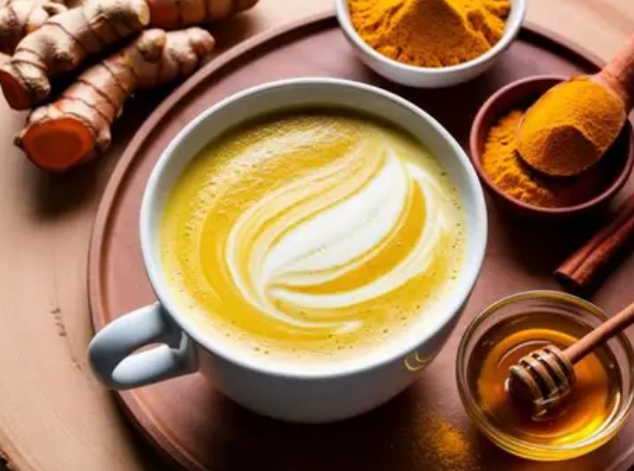
Food + Beauty Recipes: The Honey Series: Jar of Lemons: Inspired Honey Turmeric Wellness Latte

Honey has always carried a sense of a subtle form of luxury — a beauty ingredient treasured in ancient rituals and a kitchen staple that feels both comforting and elegant. Victorian women used honey salves to achieve a glowing complexion, while today it remains one of the most beloved ingredients in modern wellness.

Honey is one of the oldest beauty ingredients in recorded history. Cleopatra famously used honey to soften her skin, while ancient Greek women applied honey masks before festivals and ceremonies. In medieval Europe, honey was used as a healing salve for the skin — prized for its antibacterial properties long before modern science confirmed them. Victorian women used honey in homemade cold creams, believing it preserved youthfulness.

Honey’s beauty legacy spans continents and eras, always associated with luxury, femininity and natural radiance.

Beauty Benefits of Honey

Skin: Honey draws moisture into the skin, supports barrier repair and has natural anti-bacterial properties. 
Hair: A honey mask adds shine and softness especially when mixed with oils. 
Body: Its antioxidants support overall wellness and glow. 
Mood: Warm, floral, comforting — honey is a sensory cue for calm and sweetness.

Below, you shall discover historical context, beauty and wellness benefits under each recipe.

Jar of Lemons: Inspired Honey Turmeric Wellness Latte

A soothing, anti‑inflammatory golden drink that feels like comfort, clarity and calm in a mug.

Prep 5 min  Cook 5 min  Serves 1

Anti-Inflammatory Turmeric Latte – Satisfy Your Cravings/satisfyyourcravings.com

Ingredients

  • 1 cup milk (oat, almond, or dairy)
  • 1 tbsp honey
  • 1/2 tsp turmeric
  • 1/4 tsp cinnamon
  • 1/4 tsp ginger
  • 1/2 tsp vanilla extract
  • Pinch black pepper (activates turmeric’s curcumin)
  • Optional extra honey for drizzling

Instructions

  1. Warm the milk
    Heat milk in a small saucepan over medium-low until steaming but not boiling.
  2. Whisk in spices
    Add turmeric, cinnamon, ginger, vanilla, and black pepper. Whisk until smooth and golden.
  3. Sweeten
    Stir in honey until fully dissolved.
  4. Froth
    Use a frother or whisk vigorously for a creamy, velvety texture.
  5. Serve
    Pour into a mug, dust with cinnamon, and drizzle with extra honey if desired.

Sources
Iced Maple Turmeric Latte (Golden Milk Coffee Recipe) | Orchids + Sweet Tea
Anti-Inflammatory Turmeric Latte – Satisfy Your Cravings

Historical Context
Golden milk has one of the most elegant backstories in wellness history. Its roots lie in Ayurvedic tradition where turmeric mixed with warm milk and honey was considered a restorative tonic — a drink meant to soothe inflammation, calm the body and support longevity. Honey, known as madhu in Sanskrit, was believed to “carry” herbs deeper into the body, enhancing their therapeutic effects.

By the 1960s and 1970s, as Eastern wellness philosophies entered Western culture, turmeric lattes began appearing in natural‑foods cafés and vegetarian cookbooks. They were often described as drinks that “restore radiance from within,” echoing the era’s fascination with holistic beauty and inner glow.

In modern wellness culture, Jar of Lemons embodies this lineage perfectly: cozy, nourishing, minimal‑ingredient recipes that feel like self‑care. This latte is a contemporary expression of ancient beauty wisdom — warm, golden and deeply comforting.

Beauty Benefits of This Recipe

Honey

  • Hydrates the skin from within
  • Supports immune balance
  • Antioxidants help reduce dullness

Turmeric

  • Curcumin reduces inflammation
  • Helps calm redness and irritation
  • Supports a more even skin tone

Cinnamon

  • Improves circulation
  • Adds warmth that can enhance natural glow

Ginger

  • Stimulates digestion (gut‑skin connection)
  • Supports detox pathways

Milk (Dairy or Plant)

  • Provides fats that support skin barrier health
  • Oat or almond milk adds additional soothing nutrients

Black Pepper

  • Enhances turmeric absorption
  • Supports metabolic clarity

Honey has always been a quiet form of luxury in beauty and wellness—simple, natural and endlessly versatile. This recipe is one more way to bring that softness and radiance into everyday life, using ingredients that feel comforting. If you enjoyed this treatment, explore the rest of the Honey Series for more historically inspired, modern‑friendly recipes.

I’m Stacey Hobbs, thanks for reading Face by Stace! Until next time.
do you feel fabulous today?
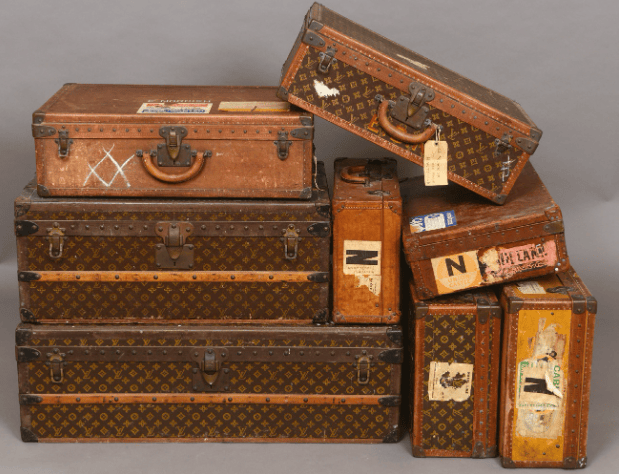
Louis Vuitton Luggage: The Iconic Travel Companions That Defined Luxury

Louis Vuitton luggage has long been synonymous with elegance, craftsmanship and the romance of travel. Long before the brand became a global fashion symbol, its trunks and cases were designed for practical use — built to withstand long voyages, steamship travel and the early days of luxury tourism. Each piece was engineered with precision, using durable materials and innovative construction techniques that made Vuitton the preferred luggage maker for aristocrats, explorers and fashionable travellers.

The Birth of Modern Travel Style

In the late 19th and early 20th centuries, Louis Vuitton revolutionized luggage design with flat‑topped trunks that could be easily stacked — a radical departure from the rounded, dome‑shaped trunks of the era. This innovation made travel more efficient and stylish and it positioned Vuitton as the leader in modern travel culture. The brand’s signature canvas, lightweight yet durable, became instantly recognizable and set the tone for luxury travel aesthetics.

A Symbol of Status and Adventure

Owning Louis Vuitton luggage wasn’t just about having a travel accessory — it was a statement of sophistication and worldliness. The monogram canvas, introduced in 1896, became a symbol of prestige, signaling that the owner valued craftsmanship, heritage and the art of travel. Vuitton luggage accompanied celebrities, elites and global tastemakers on their journeys, becoming part of the visual language of luxury.

Why Louis Vuitton Luggage Endures

Even today, Louis Vuitton luggage remains a cultural icon. Its blend of durability, artistry and timeless design continues to appeal to travellers who see luggage not just as a necessity but as an extension of personal style. Each piece carries the legacy of the brand’s origins — a reminder that travel, at its best, is both functional and beautiful.

I’m Stacey Hobbs, thanks for reading Face by Stace! Until next time.
do you feel fabulous today?
Editorial Note
This post focuses on Louis Vuitton’s iconic luggage pieces and their role in shaping luxury travel, but it is only the beginning. Louis Vuitton’s history is rich, layered, and deeply tied to craftsmanship, innovation, and cultural evolution. I will be exploring more of the brand’s heritage — including Louis Vuitton himself, the origins of the atelier, the evolution of the monogram, and the transition from trunks to modern fashion — in future posts. This is just the first chapter.

Food + Beauty Recipes: The Honey Series: Giada De Laurentiis: Inspired Honey Almond Biscotti

Honey has always carried a sense of a subtle form of luxury — a beauty ingredient treasured in ancient rituals and a kitchen staple that feels both comforting and elegant. Victorian women used honey salves to achieve a glowing complexion, while today it remains one of the most beloved ingredients in modern wellness.

Honey is one of the oldest beauty ingredients in recorded history. Cleopatra famously used honey to soften her skin, while ancient Greek women applied honey masks before festivals and ceremonies. In medieval Europe, honey was used as a healing salve for the skin — prized for its antibacterial properties long before modern science confirmed them. Victorian women used honey in homemade cold creams, believing it preserved youthfulness.

Honey’s beauty legacy spans continents and eras, always associated with luxury, femininity and natural radiance.

Beauty Benefits of Honey

Skin: Honey draws moisture into the skin, supports barrier repair and has natural anti-bacterial properties. 
Hair: A honey mask adds shine and softness especially when mixed with oils. 
Body: Its antioxidants support overall wellness and glow. 
Mood: Warm, floral, comforting — honey is a sensory cue for calm and sweetness.

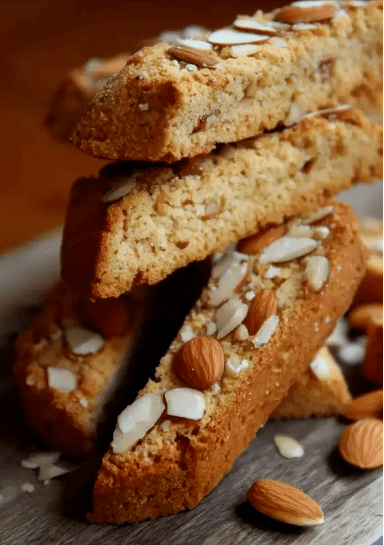
Giada De Laurentiis: Inspired Honey Almond Biscotti

Crisp, golden, twice‑baked Italian biscotti sweetened with honey and brightened with orange zest.

Prep 20 min  Cook 45 min  Serves 18 biscotti

Honey Almond Biscotti: An Easy Coffee Dunking Cookie
Honey Almond Biscotti: An Easy Coffee Dunking Cookie/cookingwithmike.com

Prep 20 min  Cook 45 min  Serves 18 biscotti

Ingredients

  • 2 cups all‑purpose flour
  • 1 tsp baking powder
  • 1/4 tsp fine sea salt
  • 1/2 cup honey
  • 1/3 cup granulated sugar
  • 2 large eggs
  • 1/4 cup olive oil
  • 1 tsp vanilla extract
  • 1 tbsp orange zest
  • 1 cup whole almonds

Instructions

  1. Preheat
    Heat oven to 325°F (165°C). Line a baking sheet with parchment.
  2. Mix dry ingredients
    Whisk flour, baking powder, and salt in a medium bowl.
  3. Combine wet ingredients
    In another bowl, whisk honey, sugar, eggs, olive oil, vanilla, and orange zest until smooth.
  4. Form dough
    Add dry ingredients to wet and stir until a thick dough forms. Fold in almonds.
  5. Shape
    On the baking sheet, shape dough into a 10-inch log, about 3 inches wide.
  6. First bake
    Bake 25–30 minutes until lightly golden. Cool 10 minutes.
  7. Slice
    Cut the log diagonally into 3/4-inch slices.
  8. Second bake
    Lay slices flat and bake 10–12 minutes per side until crisp and golden.
  9. Cool
    Cool completely before serving or storing.

Source
Honey Almond Biscotti: An Easy Coffee Dunking Cookie
Honey Almond Biscotti: Irresistibly Crunchy Treats

Historical Context
Biscotti — cantucci in their Tuscan lineage — originated as twice‑baked travel bread for Roman soldiers. Honey was the primary sweetener of the ancient world, prized for its ability to preserve and for its symbolic connection to vitality and youth. Almonds entered Italian baking through Mediterranean trade routes, becoming a staple in Renaissance confectionery.

By the early 20th century, biscotti evolved from utilitarian rations into elegant café fare, often served with espresso or vin santo. Honey‑sweetened biscotti appeared in domestic Italian cookbooks as a “digestive sweet,” believed to support the stomach after meals.

Giada’s modern style — citrus, nuts, clean flavours — echoes this heritage. The orange zest brightens the honey’s warmth, creating a biscotti that feels both timeless and contemporary, perfectly aligned with your Face by Stace blend of history and modern femininity.

Beauty Benefits for This Recipe

Honey

  • Antioxidants help protect skin from environmental stress
  • Supports gut balance, which often reflects in clearer skin
  • Natural humectant properties (internal hydration support)

Almonds

  • Vitamin E strengthens the skin barrier
  • Healthy fats support glow and moisture retention
  • Minerals aid in hair and nail resilience

Olive Oil

  • Rich in polyphenols that support skin elasticity
  • Healthy fats nourish from within

Orange Zest

  • Vitamin C supports collagen production
  • Brightens complexion through antioxidant activity

Honey has always been a quiet form of luxury in beauty and wellness—simple, natural and endlessly versatile. This recipe is one more way to bring that softness and radiance into everyday life, using ingredients that feel comforting. If you enjoyed this treatment, explore the rest of the Honey Series for more historically inspired, modern‑friendly recipes.

I’m Stacey Hobbs, thanks for reading Face by Stace! Until next time.
do you feel fabulous today?
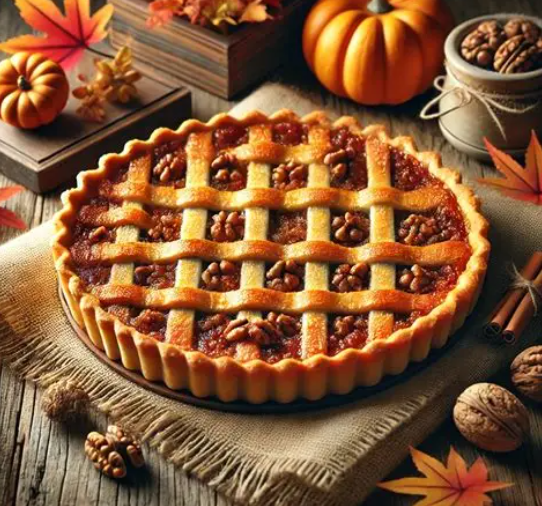
Food + Beauty Recipes: The Honey Series: Ricardo Cuisine: Inspired Honey Maple Rustic Tart

Honey has always carried a sense of a subtle form of luxury — a beauty ingredient treasured in ancient rituals and a kitchen staple that feels both comforting and elegant. Victorian women used honey salves to achieve a glowing complexion, while today it remains one of the most beloved ingredients in modern wellness.

Honey is one of the oldest beauty ingredients in recorded history. Cleopatra famously used honey to soften her skin, while ancient Greek women applied honey masks before festivals and ceremonies. In medieval Europe, honey was used as a healing salve for the skin — prized for its antibacterial properties long before modern science confirmed them. Victorian women used honey in homemade cold creams, believing it preserved youthfulness.

Honey’s beauty legacy spans continents and eras, always associated with luxury, femininity and natural radiance.

Beauty Benefits of Honey

Skin: Honey draws moisture into the skin, supports barrier repair and has natural anti-bacterial properties. 
Hair: A honey mask adds shine and softness especially when mixed with oils. 
Body: Its antioxidants support overall wellness and glow. 
Mood: Warm, floral, comforting — honey is a sensory cue for calm and sweetness.

Ricardo Cuisine: Inspired Honey Maple Rustic Tart

A cozy, golden, maple‑kissed tart with honey gloss — rustic, comforting, and proudly Canadian.

Prep 20 min  Cook 35 min  Serves 6

Maple Walnut Tart – Perfect Fall Dessert Recipe/homewithjana.com

Ingredients

  • 1 sheet store‑bought or homemade pie dough
  • 3 medium apples, thinly sliced
  • 2 tbsp honey
  • 3 tbsp pure maple syrup
  • 1 tbsp brown sugar
  • 1 tsp lemon juice
  • 1/2 tsp cinnamon
  • 1/4 tsp nutmeg
  • 1 egg (for egg wash)
  • 1 tbsp coarse sugar (optional, for sprinkling)

Intructions

  1. Preheat
    Heat oven to 400°F (200°C). Line a baking sheet with parchment.
  2. Prep apples
    In a bowl, toss apple slices with honey, maple syrup, brown sugar, lemon juice, cinnamon, and nutmeg.
  3. Roll dough
    Place pie dough on the baking sheet. Spoon the apple mixture into the center, leaving a 2‑inch border.
  4. Fold edges
    Fold the dough edges over the apples, creating a rustic free‑form tart.
  5. Brush + sprinkle
    Brush crust with egg wash and sprinkle coarse sugar if desired.
  6. Bake
    Bake 30–35 minutes until apples are tender and crust is golden.
  7. Finish
    Drizzle a little extra honey over the warm tart before serving.

Sources
Maple Glazed Rustic Apple Tart (Apple Galette Recipe) – Smells Like Home
Maple Walnut Tart – Perfect Fall Dessert Recipe
Homemade Maple Butter Tarts

Historical Context
Rustic tarts have deep roots in French peasant cooking where free‑form galettes were a practical way to use seasonal fruit without the precision of formal pastry. As French culinary traditions travelled to Québec, they merged with Canadian ingredients — most notably maple syrup which Indigenous communities had been producing long before European arrival in the 17th century.

Honey and maple together form a uniquely Canadian sweetness profile. In early Canadian cookbooks of the 19th century, maple was often used when refined sugar was scarce, while honey was prized for its “natural purity” and its ability to preserve fruit. Rustic tarts became a symbol of home comfort, often baked for Sunday dinners or harvest gatherings.

Ricardo Cuisine’s signature style — approachable, warm, proudly Québécois — echoes this heritage. This tart feels like a modern continuation of that lineage: simple, golden and rooted in the flavours that define Canadian domestic cooking.

Beauty Benefits of This Recipe

Honey

  • Natural humectant: supports internal hydration
  • Antioxidants help reduce dullness
  • Supports gut balance, which often reflects in clearer skin

Maple Syrup

  • Contains manganese + zinc, supporting skin repair
  • Lower glycemic impact than refined sugar
  • Offers polyphenols that help fight oxidative stress

Apples

  • Rich in quercetin, an antioxidant linked to reduced inflammation
  • Fibre supports digestion (gut‑skin connection)
  • Vitamin C contributes to collagen support

Cinnamon + Nutmeg

  • Improve circulation
  • Contain antimicrobial compounds
  • Add metabolic warmth that can enhance natural glow

Honey has always been a quiet form of luxury in beauty and wellness—simple, natural and endlessly versatile. This recipe is one more way to bring that softness and radiance into everyday life, using ingredients that feel comforting. If you enjoyed this treatment, explore the rest of the Honey Series for more historically inspired, modern‑friendly recipes.

I’m Stacey Hobbs, thanks for reading Face by Stace! Until next time.
do you feel fabulous today?
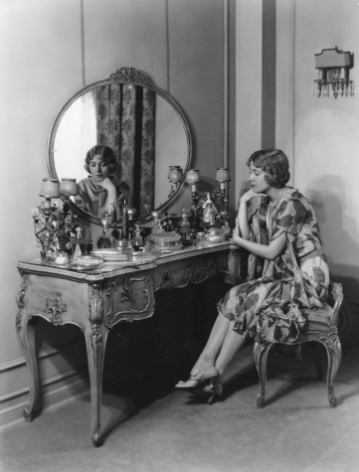
What Women Kept on Their Vanities in the 1930s

There is something irresistibly intimate about a woman’s vanity table — a small, curated world where beauty, ritual and identity quietly gather. In the 1930s, this space held even deeper meaning. Against the backdrop of economic restraint and Hollywood escapism, women created pockets of glamour inside their homes, arranging objects that reflected both practicality and aspiration. A vanity wasn’t simply a place to get ready; it was a sanctuary of softness, fragrance and feminine ritual.

The decade’s beauty culture was shaped by cinema, Art Deco design and the rise of modern cosmetics. Women blended everyday necessities with touches of luxury, choosing items that made them feel polished, hopeful and connected to the glamour they saw on screen. Each jar, bottle and compact told a story — of resilience, elegance and the quiet determination to create beauty even in un-certain times.

This is what women kept on their vanities in the 1930s: the objects, textures and rituals that defined an era of understated glamour.

The 1930s vanity was more than a collection of beauty products — it was a reflection of hope, glamour and the desire to create beauty even in difficult times. Every jar, every rouge pot, every perfume atomizer carried a sense of ritual. Women didn’t just get ready; they prepared themselves for the world with intention, softness and a touch of Hollywood magic. The vanity table was their sanctuary and its contents told the story of an era defined by elegance and resilience.

I’m Stacey Hobbs, thanks for reading Face by Stace! Until next time.
do you feel fabulous today?
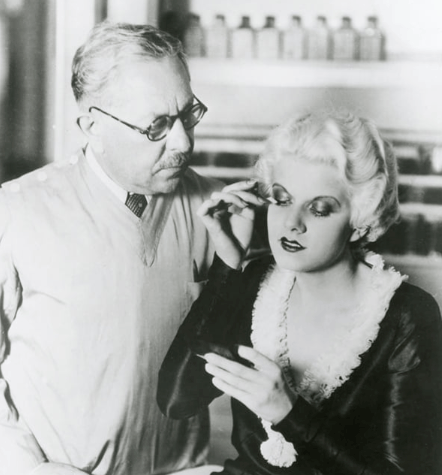
Rouge Placement in the 1930s: How Women Created the Soft Flush

In the 1930s, rouge wasn’t just makeup — it was a technique, a mood and a signature part of the decade’s feminine aesthetic. Women applied their blush with intention, shaping the face into the soft, rounded, romantic look that defined the era. Rouge placement was subtle, diffused and always designed to mimic a natural flush rather than a sculpted contour.

The “Apple of the Cheek” Technique

Rouge was placed directly on the apples of the cheeks, creating a gentle bloom of colour. Women smiled slightly to find the fullest part of the cheek, then tapped on cream rouge with their fingertips. The goal was a youthful, healthy glow — never harsh, never angular.

Cream Rouge, Not Powder

Powder blush existed but cream rouge dominated the decade. It came in small pots, often in metal or glass and melted seamlessly into the skin. This texture created the soft, dewy finish seen in 1930s film stars.

Colours of the Era

Shades leaned toward:

  • rose
  • raspberry
  • soft red
  • muted berry

These tones complemented the decade’s lipstick colours and photographed beautifully under studio lighting.

No Contour, No Sculpting

The 1930s face was round, delicate and feminine. Women didn’t contour or hollow the cheeks — that trend wouldn’t arrive until the 1940s and 1950s. Rouge was meant to brighten, not reshape.

A Hollywood Influence

Actresses like Jean Harlow and Norma Shearer popularized the diffused cheek look. Their makeup artists used rouge to create a soft, candlelit complexion that women at home replicated with their own rouge pots.

Rouge placement in the 1930s was an art of softness — a fingertip technique that brought warmth and femininity to the face. It reflected the decade’s beauty philosophy: gentle, romantic and quietly glamorous. In understanding how women applied their rouge, we understand how they shaped their identity in an era defined by elegance and restraint.

I’m Stacey Hobbs, thanks for reading Face by Stace! Until next time.
do you feel fabulous today?