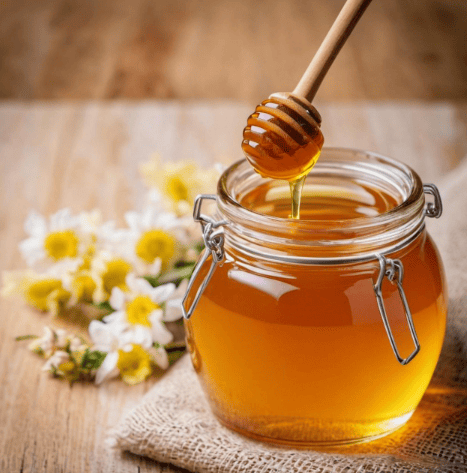
Food + Beauty Recipes: The Honey Series: Honey Oatmeal Chamomile Face Mask

Honey has always carried a sense of a subtle form of luxury — a beauty ingredient treasured in ancient rituals and a kitchen staple that feels both comforting and elegant. Victorian women used honey salves to achieve a glowing complexion, while today it remains one of the most beloved ingredients in modern wellness.

Honey is one of the oldest beauty ingredients in recorded history. Cleopatra famously used honey to soften her skin, while ancient Greek women applied honey masks before festivals and ceremonies. In medieval Europe, honey was used as a healing salve for the skin — prized for its antibacterial properties long before modern science confirmed them. Victorian women used honey in homemade cold creams, believing it preserved youthfulness.

Honey’s beauty legacy spans continents and eras, always associated with luxury, femininity and natural radiance.

Beauty Benefits of Honey

Skin: Honey draws moisture into the skin, supports barrier repair and has natural anti-bacterial properties. 
Hair: A honey mask adds shine and softness especially when mixed with oils. 
Body: Its antioxidants support overall wellness and glow. 
Mood: Warm, floral, comforting — honey is a sensory cue for calm and sweetness.

Below, you shall discover historical context, beauty and wellness benefits under each recipe.

Honey Oatmeal Chamomile Face Mask

A gentle, nurturing, kitchen‑beauty treatment rooted in softness, calm, and Fraîche Living’s wholesome aesthetic.

Prep 5 min  Cook 0 min  Serves 1 mask

Ingredients

  • 1 tbsp raw honey (Manuka or local)
  • 1 tbsp colloidal oats (finely ground)
  • 1 tbsp cooled chamomile tea
  • 2–3 drops almond oil (optional for extra nourishment)

Instructions

  1. Prepare the chamomile
    Steep chamomile tea, allow it to cool completely, and measure out 1 tablespoon.
  2. Mix the base
    Combine honey and colloidal oats in a small bowl until a paste forms.
  3. Add chamomile
    Stir in the cooled chamomile tea to loosen the mixture into a smooth mask.
  4. Enrich (optional)
    Add almond oil for extra slip and barrier support if your skin is dry.
  5. Apply
    Spread a thin, even layer over clean skin, avoiding the eye area.
  6. Rest
    Leave on for 10–15 minutes. The mask will stay slightly tacky but should feel soothing.
  7. Rinse
  8. Remove with lukewarm water, massaging gently for a soft exfoliation.

Sources
Honey and Oatmeal: Skin Benefits, 5 DIY Face Masks & How to Use | Raw Honey Guide
12 Spa Day DIYs — Brit + Co – Brit + Co
Chamomile Oatmeal Manuka Honey Goat Milk Soap | Gray Goat Soaps

Historical Context
Honey‑oat masks are one of the oldest in beauty history. In ancient Egypt, women used honey as a sacred cosmetic — prized for its healing, anti-bacterial properties and its association with youthfulness. Oats appear in Roman and later Victorian beauty manuals, where they were praised for “soothing the nerves of the skin,” a poetic way of describing their anti‑inflammatory beta‑glucans.

Chamomile’s lineage is equally storied. The herb was used by Greek and medieval European apothecaries to calm irritation, reduce redness and soften the complexion. By the 1930s, during the era of kitchen‑beauty and frugality, women often turned to pantry staples like oats, honey and chamomile tea to maintain their skin without expensive creams.

This mask is gentle, nurturing and rooted in the idea that beauty can be created from everyday ingredients. It mirrors Tori Wesszer’s Fraîche Living ethos: wholesome, approachable and a subtle form of luxurious.

Beauty Benefits of This Recipe

Honey

  • Humectant: draws moisture into the skin
  • Antibacterial: supports clearer, calmer skin
  • Antioxidants help protect against environmental stress

Colloidal Oats

  • Beta‑glucans soothe irritation and redness
  • Creates a protective, softening film on the skin
  • Ideal for sensitive or reactive complexions

Chamomile Tea

  • Anti‑inflammatory and calming
  • Reduces redness and post‑sun irritation
  • Helps restore balance to stressed skin

Almond Oil (Optional)

  • Rich in vitamin E
  • Supports the skin barrier
  • Adds slip for a smoother application

Honey has always been a quiet form of luxury in beauty and wellness—simple, natural and endlessly versatile. This recipe is one more way to bring that softness and radiance into everyday life, using ingredients that feel comforting. If you enjoyed this treatment, explore the rest of the Honey Series for more historically inspired, modern‑friendly recipes.

I’m Stacey Hobbs, thanks for reading Face by Stace! Until next time.
do you feel fabulous today?

PART IX: Balenciaga: The Final Years: Purity, Precision and Withdrawal

By the 1960s, Balenciaga had reached a level of mastery that few designers ever achieve. His work had become so distilled, so architectural, so un-compromising in its purity that it no longer belonged to the rhythms of the fashion calendar. While Paris buzzed with youth culture, ready‑to‑wear and the rise of modern marketing, Balenciaga moved in the opposite direction. He withdrew further into silence, into discipline, into the pursuit of absolute form. His final years were not a decline; they were a refinement — a stripping away of anything that did not serve the silhouette.

The clothes from this period were astonishing in their restraint. Seam lines disappeared. Ornament vanished. Fabrics were chosen not for decoration but for structure — gazar, a fabric developed specifically for him, allowed shapes that seemed impossible. His garments floated, curved and hovered around the body with an almost architectural serenity. These were not clothes meant to charm or entertain. They were the culmination of decades of study, the final vocabulary of a designer who believed fashion was an art of proportion, not spectacle.

But the world around him was changing. The rise of youth culture, mass production, and the commercialization of fashion clashed with Balenciaga’s philosophy. He had no interest in ready‑to‑wear. He refused to compromise his standards for speed or accessibility. He disliked the growing influence of press and publicity. Fashion was becoming louder, faster, more democratic — and Balenciaga’s work required silence, patience and reverence. The industry was moving toward visibility; he was moving toward invisibility.

In 1968, he made the decision that shocked Paris: he closed his house. No farewell show. No grand announcement. No attempt to adapt. He simply stepped away. For Balenciaga, withdrawal was not defeat; it was integrity. He had taken fashion as far as he believed it could go. He had refined silhouette to its purest form. He had sculpted modernism in fabric. And he refused to dilute his vision in a world that no longer valued the discipline required to sustain it.

His final years were spent quietly in Spain, far from the noise of the industry he had once dominated. But his influence did not fade. Designers continued to study his patterns like sacred texts. His protégés — Givenchy, Courrèges, and later countless others — carried his architectural principles into the future. Even today, the foundation of modern minimalism, sculptural volume and purity of line can be traced directly back to Balenciaga’s final decade.

Part IX marks the moment when Balenciaga’s genius becomes inseparable from his refusal to compromise. His withdrawal was not an ending; it was a final act of precision. In stepping away, he preserved the purity of his legacy — un-touched, un-diluted and absolute.

I’m Stacey Hobbs, thanks for reading Face by Stace! Until next time.
do you feel fabulous today?
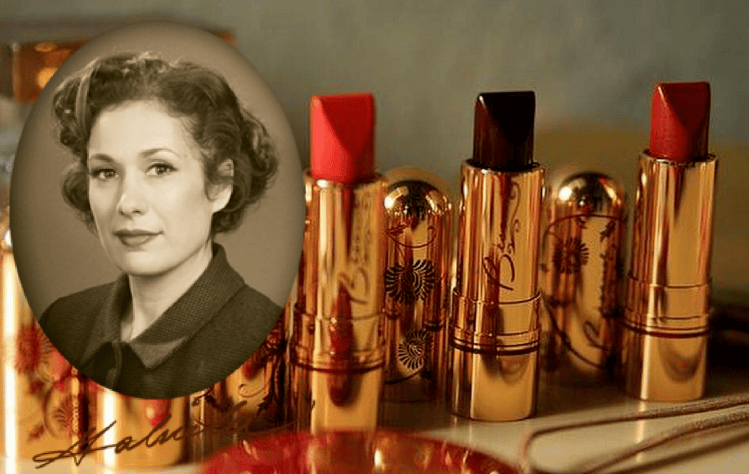
Besame Cosmetics: Gabriela’s Founding Story

Bésame Cosmetics began with one woman’s devotion to beauty history. Gabriela Hernandez, a cosmetics historian and designer, founded the brand in 2004 after spending years collecting vintage makeup from the 1920s through the 1960s. Her personal archive — lipsticks, compacts, powders, mascaras, perfume bottles — became the foundation of a company built not on trend, rather on memory.

Gabriela grew up in Buenos Aires, surrounded by glamorous women who treated beauty as ritual. Her grandmother’s vanity table, filled with gold tubes and delicate glass jars, left a lasting impression. When Gabriela later moved to the United States, she noticed that modern cosmetics had lost the elegance, craftsmanship and femininity that defined earlier eras. Packaging had become disposable. Shades had become generic. The romance of beauty had faded.

She decided to bring it back.

A Historian First, a Founder Second
Before creating Bésame, Gabriela spent years studying vintage cosmetics — their pigments, textures, manufacturing methods, and cultural significance. She analyzed original samples from the 1920s, 1930s, 1940s, and 1950s, matching colors precisely to historical references. Her goal was not nostalgia; it was accuracy. She wanted women to experience beauty the way their mothers and grandmothers once had.

This commitment to authenticity shaped the brand’s earliest products:

  • Classic Colour Lipstick, matched to archival shades
  • Cake Mascara, re-created from 1920s formulas
  • Translucent Powder, inspired by 1940s complexion products

Every detail — from the bullet shape to the gold packaging — was designed to feel like an heirloom.

A Brand Built on Craftsmanship and Clean Formulation
Gabriela insisted on small‑batch production, cruelty‑free formulas and simple, clean ingredients. Bésame avoided parabens, mineral oil and un-necessary fillers long before “clean beauty” became mainstream. The brand’s philosophy was straightforward: beauty should be elegant, safe and made with care.

Why Gabriela’s Story Matters Today
Bésame is more than a cosmetics line — it is a preservation of beauty history. Gabriela created a living museum where every product tells a story, every shade has a date and every compact feels like a treasure. Her founding vision ensures that glamour is not lost to time but carried forward with precision and respect.

Bésame remains one of the few beauty houses dedicated to reviving the artistry of vintage cosmetics. Gabriela’s work allows modern women to experience the elegance of the past, one lipstick at a time.

I’m Stacey Hobbs, thanks for reading Face by Stace! Until next time.
do you feel fabulous today?
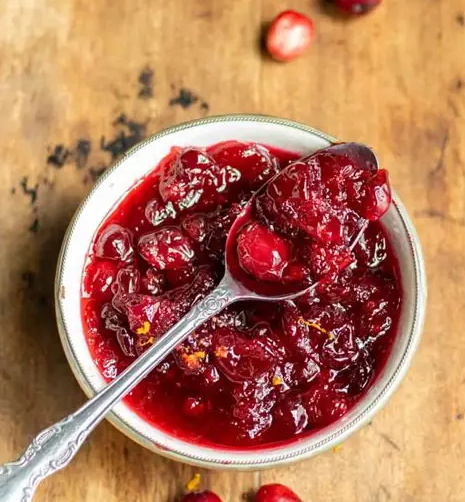
Bésame Cosmetics: Original Products

Bésame Cosmetics began with a mission: to revive the elegance, craftsmanship and glamour of vintage beauty. The brand’s earliest products were not modern re-interpretations — they were historically accurate recreations of cosmetics from the 1920s through the 1960s, designed with the precision of a museum archivist.

Classic Colour Lipstick
Bésame’s first and most iconic product. Each shade was matched to an original sample from a specific decade, using Gabriela Hernandez’s personal archive of vintage lipsticks. The bullet shape, the gold tube and the creamy texture were all crafted to feel like an heirloom — a piece of beauty history brought back to life.

Cake Mascara (1920s Formula)
One of the earliest mascaras ever used in Hollywood. Bésame re-created the original 1920s formula, offering a cake pan and brush that allowed women to experience mascara the way early film stars did. It could be used on lashes, brows and even as eyeliner — a true vintage multitasker.

Translucent Powder (1940s Inspired)
Based on complexion products used during the 1940s, this powder was designed to give a soft-focus finish reminiscent of Old Hollywood glamour. The packaging echoed the era’s vanity-table elegance with gold detailing and vintage typography.

Cream Rouge (Vintage Blush)
Inspired by rouge pots from the 1930s and 1940s, Bésame’s cream blush re-created the soft, blendable formulas used by actresses and everyday women alike. The shades were chosen from historical color palettes, ensuring authenticity.

Brightening Violet Powder
A modern interpretation of a vintage concept — violet powders were once used to counteract dullness and brighten the complexion. Bésame revived the idea with a gentle, finely milled formula that honoured the past while serving modern skin needs.

Mini Lipstick Sets & Limited Editions
Bésame became known for its historically themed collections — from Snow White to Agent Carter — each one researched meticulously to match the exact shades worn on screen or in archival illustrations. These early limited editions helped establish the brand’s reputation for accuracy and artistry.

Why These Original Products Matter
Bésame’s early lineup wasn’t about trend or novelty — it was about preservation. Each product was a piece of beauty history, re-created with respect for the women who used them decades ago. These originals set the tone for the brand’s identity: elegant, archival, glamorous and crafted with care.

I’m Stacey Hobbs, thanks for reading Face by Stace! Until next time.
do you feel fabulous today?
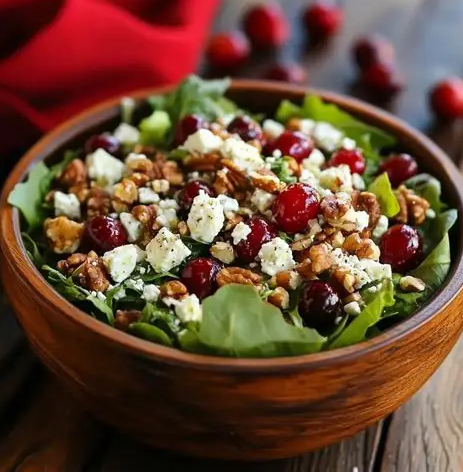
Pardon Your French Inspired: Cranberry Compote (French Pantry Staple)

Simple, soft, cozy — French farmhouse pantry energy.

A soft, cozy, French‑farmhouse cranberry compote that feels like it belongs in a rustic countryside pantry. Tart cranberries simmer gently with sugar, citrus, and vanilla until they collapse into a glossy, ruby‑red preserve. It’s simple, elegant and deeply aligned with Pardon Your French’s orchard‑fresh aesthetic — perfect for spooning over yogurt, crepes, brioche, fromage blanc or warm autumn bakes. A true French pantry staple with a North‑American twist.

Prep 5 minutes Cook 10 minutes Serves 2 cups


Quick Cranberry Compote – Veggie Desserts/veggiedesserts.com

Ingredients

2 cups fresh or frozen cranberries
1/3–1/2 cup sugar (to taste)
1 tbsp honey or maple syrup
1/4 cup water
1 tsp lemon juice
1/2 tsp vanilla extract
Pinch salt
Optional orange zest or cinnamon

Instructions

  1. Simmer the Cranberries
    Combine cranberries, sugar, honey, water, lemon juice, vanilla, and salt in a saucepan. Bring to a gentle simmer over medium heat.
  2. Cook Until Bursting
    Cook 8–10 minutes, stirring occasionally, until cranberries burst and mixture thickens into a glossy compote.
  3. Adjust Texture
    Mash lightly for a smoother compote or leave whole for a rustic French farmhouse texture.
  4. Finish and Cool
    Stir in optional orange zest or cinnamon. Cool completely before storing.

Beauty Benefits

  • Vitamin C–rich cranberries support collagen production and brighten the complexion.
  • Antioxidants help protect skin from environmental stressors and dullness.
  • Warm citrus + vanilla aromatics promote relaxation, which can support overall skin vitality.
  • Natural fruit hydration helps maintain skin plumpness.
  • Low‑fat, glow‑friendly topping compared to heavy creams or sugary spreads.

Health Benefits

  • Immune‑supporting antioxidants from cranberries.
  • Natural fibre supports digestion and gut wellness.
  • Lower sugar option when made at home compared to store‑bought jams.
  • Cranberry phytonutrients may support urinary tract health.
  • Versatile whole‑food topping for balanced breakfasts and snacks.

Storage

  • Refrigerator: 7–10 days in a sealed jar.
  • Freezer: Up to 3 months; thaw overnight in the fridge.
  • Make‑ahead friendly: Flavour deepens after 24 hours.
  • Serving tip: Warm gently before serving for a silkier texture.

Substitutions

  • Fruit: Red currants, raspberries, sour cherries or a cranberry‑apple blend.
  • Sweetener: Honey, maple syrup, brown sugar or coconut sugar.
  • Citrus: Lemon, orange or grapefruit zest.
  • Flavour boosters: Vanilla bean, cinnamon, cardamom or a splash of port wine.
  • Texture: Add chia seeds for a jam‑like consistency.

History + Cultural Context

Fruit compotes have long been part of French countryside cooking — simple, slow‑simmered fruits preserved for breakfasts, desserts, and rustic home meals. Traditionally made with apples, pears, or stone fruits, compotes are celebrated for their minimalism and seasonality.

Cranberries, though not native to France, mirror the tartness of classic French fruits like red currants and sour cherries. This makes cranberry compote a natural, culturally aligned fusion: French technique meets North‑American autumn fruit. It fits seamlessly into the French farmhouse pantry philosophy — un-fussy, seasonal and quietly elegant.

I’m Stacey Hobbs, thanks for reading Face by Stace! Until next time.
do you feel fabulous today?

Pardon Your French Inspired: Cranberry & Walnut Autumn Salad (French Bistro Style)

Light, elegant, bistro‑classic — perfect for autumn.

A rustic‑elegant French bistro salad that celebrates autumn’s brightest flavours. Tart cranberries, buttery walnuts, crisp greens and a Dijon‑kissed vinaigrette come together in a dish that feels both countryside‑casual and effortlessly chic. Inspired by Pardon Your French, this salad is simple, seasonal and beautifully textured — the kind of plate you’d find at a cozy café in Lyon or tucked inside a fall picnic basket. Fresh, vibrant, and perfect for lunch, entertaining or a wellness‑forward dinner.

Prep 10 min Cook 0 min Serves 4

Cranberry Walnut Salad - Coolinarco.com
Cranberry Walnut Salad – Coolinarco.com/www.coolinarco.com

Ingredients

6 cups mixed French greens (frisée, mâche, arugula)
1 cup fresh or dried cranberries
1/2 cup toasted walnuts
1/4 cup crumbled feta or chèvre
1/4 cup thin‑sliced red onion
3 tbsp olive oil
1 tbsp Dijon mustard
1 tbsp maple syrup
1 tbsp red wine vinegar
Pinch sea salt & black pepper

Instructions

  1. Prepare the Greens
    Add mixed French greens to a large serving bowl.
  2. Add the Autumn Elements
    Scatter cranberries, toasted walnuts, red onion, and feta or chèvre over the greens.
  3. Make the Bistro Dressing
    Whisk olive oil, Dijon, maple syrup, red wine vinegar, salt, and pepper until emulsified.
  4. Dress the Salad
    Drizzle dressing over the salad and toss gently to coat without bruising the greens.
  5. Serve
    Plate immediately for best texture and freshness.

Beauty Benefits

  • Vitamin C from cranberries supports collagen production and brightens the complexion.
  • Walnuts provide omega‑3 fatty acids that nourish the skin barrier for softness and glow.
  • Leafy greens deliver chlorophyll and antioxidants that help reduce dullness and support detoxification.
  • Olive oil offers healthy fats that improve skin elasticity and hydration.
  • Apple cider vinegar may help balance skin pH and support clarity.

Health Benefits

  • High in fibre from greens, cranberries, and walnuts for digestive wellness.
  • Heart‑healthy fats from walnuts and olive oil.
  • Antioxidant‑rich ingredients support immune health and reduce inflammation.
  • Naturally gluten‑free and nutrient‑dense.
  • Balanced energy from healthy fats + fruit acidity + leafy greens.

Storage

  • Refrigerator: 1 day (best enjoyed fresh).
  • Vinaigrette: Keeps 5–7 days in a sealed jar.
  • Make‑ahead tip: Store greens, cranberries, walnuts, and dressing separately; assemble just before serving.
  • Walnuts: Toasted walnuts stay crisp for 1 week in an airtight glass food container.

Substitutions

  • Greens: Arugula, frisée, or baby spinach.
  • Walnuts: Pecans, almonds, or hazelnuts.
  • Cranberries: Red currants, pomegranate seeds, or dried cranberries (rehydrated).
  • Cheese add‑in: Goat cheese, brie, or Comté for a true French touch.
  • Vinaigrette: Swap Dijon for whole‑grain mustard or add honey for sweetness.
  • Extras: Pear slices, roasted squash cubes, or shallots.

History + Cultural Context

French bistro salads are known for their balance of textures, seasonal ingredients, and unfussy elegance. While cranberries aren’t traditional in France, their tartness mirrors classic French fruits like red currants and sour cherries. Walnuts, however, are deeply rooted in French countryside cooking — especially in regions like Périgord, where walnut groves are iconic.

This salad blends French rustic tradition with North‑American autumn flavours, creating a dish that feels both familiar and fresh. The Dijon vinaigrette ties everything together with classic French acidity and warmth.

I’m Stacey Hobbs, thanks for reading Face by Stace! Until next time.
do you feel fabulous today?