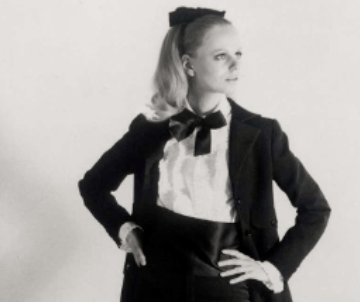
When Yves Saint Laurent introduced Le Smoking in 1966, he wasn’t simply designing a garment, he was re-writing the visual language of modern femininity. The tuxedo, long considered an exclusive symbol of masculine power, was re-engineered through Saint Laurent’s architectural eye: sharp lines, elongated proportions, and a deliberate tension between structure and sensuality. Le SmokingContinue reading “YSL: The Birth of Le Smoking (1966)”
Category Archives: Beauty
YSL + The 1970s: Opium, Excess and Glamour
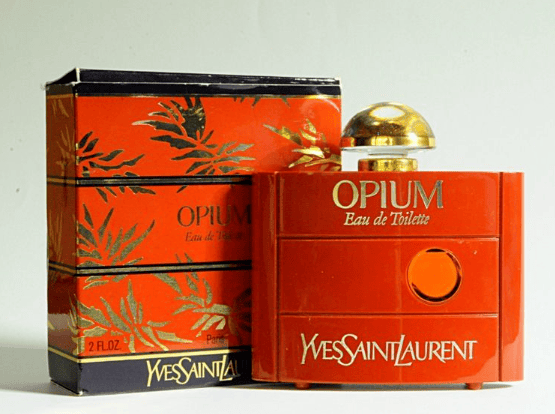
The 1970s were Yves Saint Laurent’s most decadent decade — a period defined by excess, sensuality, and a new kind of glamour that blurred the line between fashion, nightlife, and fantasy. If the 1960s established Saint Laurent as a revolutionary designer, the 1970s crowned him as a cultural force. His work didn’t just reflect theContinue reading “YSL + The 1970s: Opium, Excess and Glamour”
25 Forgotten Beauty Secrets Women Loved in the 1970s

1. Cold cream as an all‑in‑one ritual.Women in the 1970s swore by cold cream as a universal beauty staple — cleanser, moisturizer, night mask, and makeup remover in one. It wasn’t just a product; it was a nightly ritual of massaging the skin until it felt warm, soft, and nourished, a practice that modern skincareContinue reading “25 Forgotten Beauty Secrets Women Loved in the 1970s”
Section 4: Post‑War Settlement and the Modern Chanel Empire
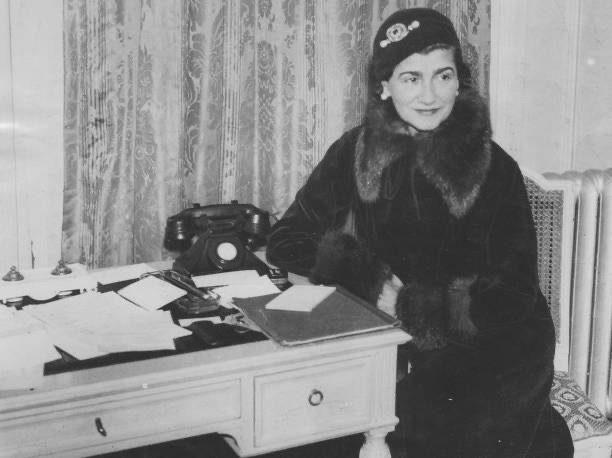
When the war ended in 1945, the balance of power between Chanel and the Wertheimers shifted decisively. Chanel returned to a France re-building itself, but her attempt to seize Parfums Chanel had left a trail of legal complications and reputational strain. The Wertheimers, meanwhile, had survived the war with their business intact — protected byContinue reading “Section 4: Post‑War Settlement and the Modern Chanel Empire”
The Little Black Dress: Chanel’s Revolution
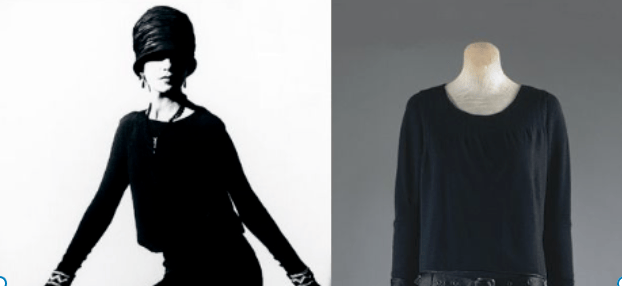
When Chanel introduced the little black dress in 1926, she wasn’t creating a trend. She was creating a language. Black, until then, belonged to mourning, uniforms, and the margins of fashion. It was not a colour of glamour, not a colour of modernity, not a colour a woman chose for herself. Chanel changed that withContinue reading “The Little Black Dress: Chanel’s Revolution”
How WWI Set the Stage for the Flapper
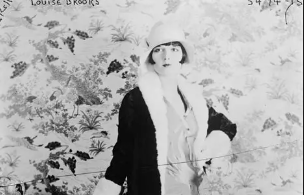
By the time the First World War ended in 1918, the world that women returned to was not the same one they had left behind. The war didn’t just re-shape borders — it re-shaped identity. It altered how women lived, worked, moved, dressed, and even how they understood themselves. And it is precisely this transformationContinue reading “How WWI Set the Stage for the Flapper”

