The modern fashion house began as a humble atelier — a workshop where garments were crafted by hand, one client at a time. But in the late 19th and early 20th centuries, visionary designers transformed these ateliers into cultural empires. Charles Frederick Worth led the shift, elevating dressmaking from a trade to an authored artContinue reading “The Birth of the Fashion House: From Atelier to Empire”
Category Archives: Beauty
How Renaissance Patronage Became Modern Brand Strategy
Renaissance patronage wasn’t simply art sponsorship; it was strategic image‑building. Families like the Medici used art, architecture, and public works to craft narratives of power, refinement, and cultural authority. Their commissions functioned like early brand campaigns — controlled visuals designed to shape public perception. Modern luxury houses follow the same playbook. Brands commission artists, collaborateContinue reading “How Renaissance Patronage Became Modern Brand Strategy”
Doris Day’s Cultural Impact: The Power of Wholesome Glamour
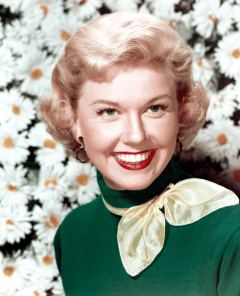
Doris Day’s wholesome glamour didn’t just define her career it shaped the cultural imagination of mid‑century America. At a time when Hollywood was crafting icons to represent national values, Day emerged as the embodiment of optimism, purity, and approachable femininity. Her cornflower‑blue eyes, soft blonde hair and immaculate wardrobe projected a vision of American womanhoodContinue reading “Doris Day’s Cultural Impact: The Power of Wholesome Glamour”
The Medici Legacy in Modern Luxury Branding
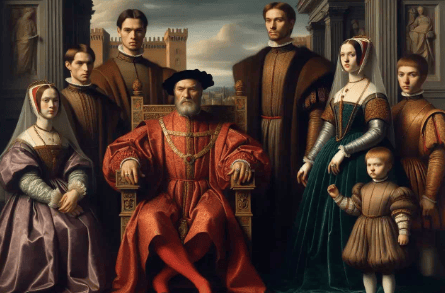
Long before luxury houses crafted identities through logos, ateliers, and heritage storytelling, the Medici family of Renaissance Florence had already written the guide to luxury. Their power was not expressed through excess but through aesthetic authority — a fusion of art, patronage and cultural influence that still shapes modern luxury branding. The Medici understood thatContinue reading “The Medici Legacy in Modern Luxury Branding”
Fashioning Innocence: Doris Day’s Wardrobe as Cultural Messaging
Doris Day’s wardrobe was never just clothing — it was cultural communication. Throughout the 1950s and early ’60s, Hollywood used her style to craft an image of innocence, optimism and approachable femininity. Day’s fashion projected a wholesome ideal that audiences instantly recognized: pastel dresses, pillbox hats, soft knits, tailored skirt suits, and playful pajamas thatContinue reading “Fashioning Innocence: Doris Day’s Wardrobe as Cultural Messaging”
The Birth of Haute Couture: Worth, Poiret, and the Rise of the Designer
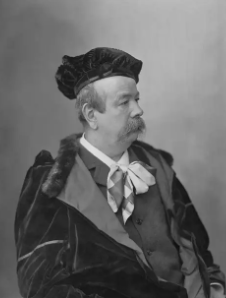
Haute Couture began not as an industry, but as a revolution — one led by designers who transformed dressmaking into an art form. In the mid‑19th century, Charles Frederick Worth reshaped fashion’s entire structure. Before Worth, women chose fabrics and commissioned anonymous seamstresses. Worth reversed the power dynamic. He designed the garment first, presented itContinue reading “The Birth of Haute Couture: Worth, Poiret, and the Rise of the Designer”

