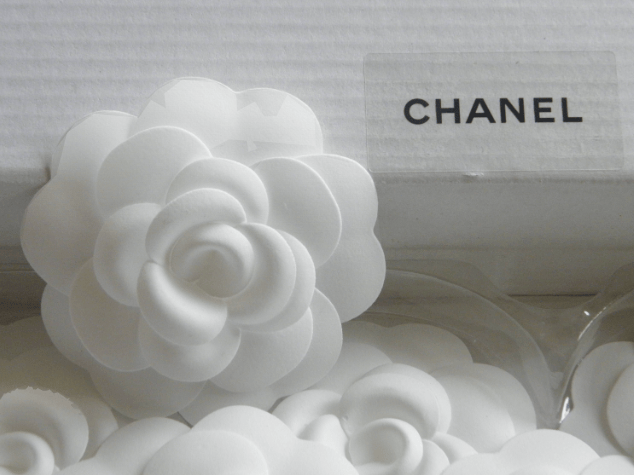
Among Chanel’s symbols, none is more quietly powerful than the camellia. It is not dramatic like Dior’s rose nor exotic like Poiret’s blooms. It is simple, symmetrical and un-mistakably modern — a flower without scent, without thorns, without excess. In choosing the camellia, Chanel chose a symbol that mirrored her own philosophy: purity without fragility,Continue reading “The Chanel Camellia: White as Icon”
Tag Archives: Chanel
Chanel vs. Balenciaga: Two Masters, Two Methods
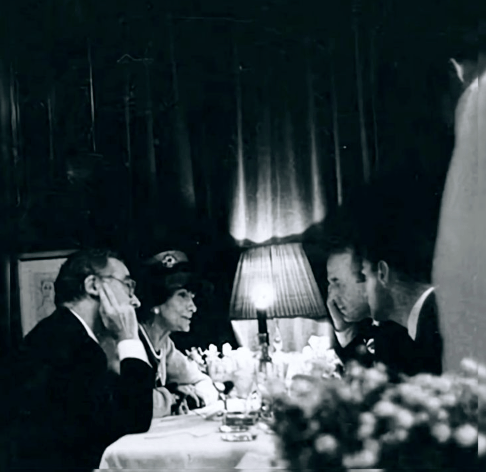
Chanel and Balenciaga stand as two of the most influential forces in twentieth‑century fashion, each re-shaping the industry through entirely different philosophies. Their legacies continue to define how designers think about silhouette, structure and the purpose of clothing. Chanel approached design through reduction. Her work was built on clarity, comfort and a belief that eleganceContinue reading “Chanel vs. Balenciaga: Two Masters, Two Methods”
Chanel: The Lady Who Re-wrote the Shape of Modern Life
Coco Chanel did not simply design clothes; she re-designed the way women lived inside them. Her revolution was not theatrical, not architectural not sculptural in the Balenciaga or Dior sense. It was human. It was intimate. It was born from the body itself from movement, from instinct, from the quiet conviction that fashion should serveContinue reading “Chanel: The Lady Who Re-wrote the Shape of Modern Life”
Section 4: Post‑War Settlement and the Modern Chanel Empire
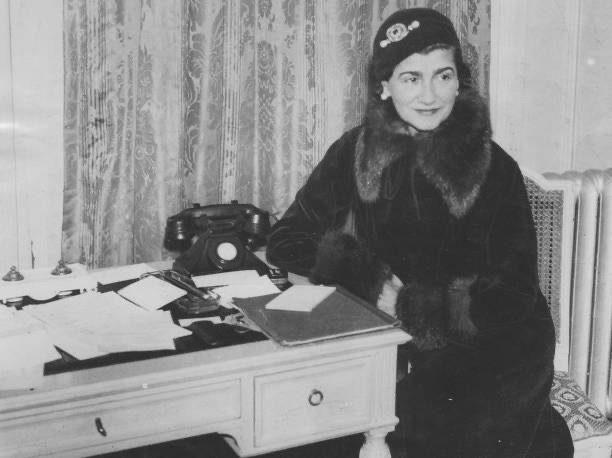
When the war ended in 1945, the balance of power between Chanel and the Wertheimers shifted decisively. Chanel returned to a France re-building itself, but her attempt to seize Parfums Chanel had left a trail of legal complications and reputational strain. The Wertheimers, meanwhile, had survived the war with their business intact — protected byContinue reading “Section 4: Post‑War Settlement and the Modern Chanel Empire”
The Little Black Dress: Chanel’s Revolution
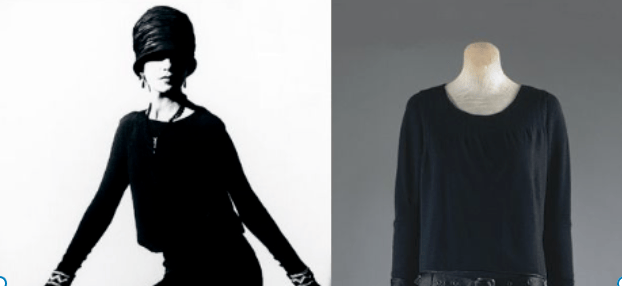
When Chanel introduced the little black dress in 1926, she wasn’t creating a trend. She was creating a language. Black, until then, belonged to mourning, uniforms, and the margins of fashion. It was not a colour of glamour, not a colour of modernity, not a colour a woman chose for herself. Chanel changed that withContinue reading “The Little Black Dress: Chanel’s Revolution”
Section 3: WWII: Chanel’s Attempt to Seize Parfums Chanel

When war broke out in 1939, Chanel saw an opportunity she had been waiting for — a chance to reclaim the perfume empire she believed was rightfully hers. Under Nazi occupation, France introduced Aryanization laws that allowed the state to seize Jewish‑owned businesses. The Wertheimers, being Jewish, were suddenly vulnerable. Chanel recognized the implications immediately.Continue reading “Section 3: WWII: Chanel’s Attempt to Seize Parfums Chanel”

