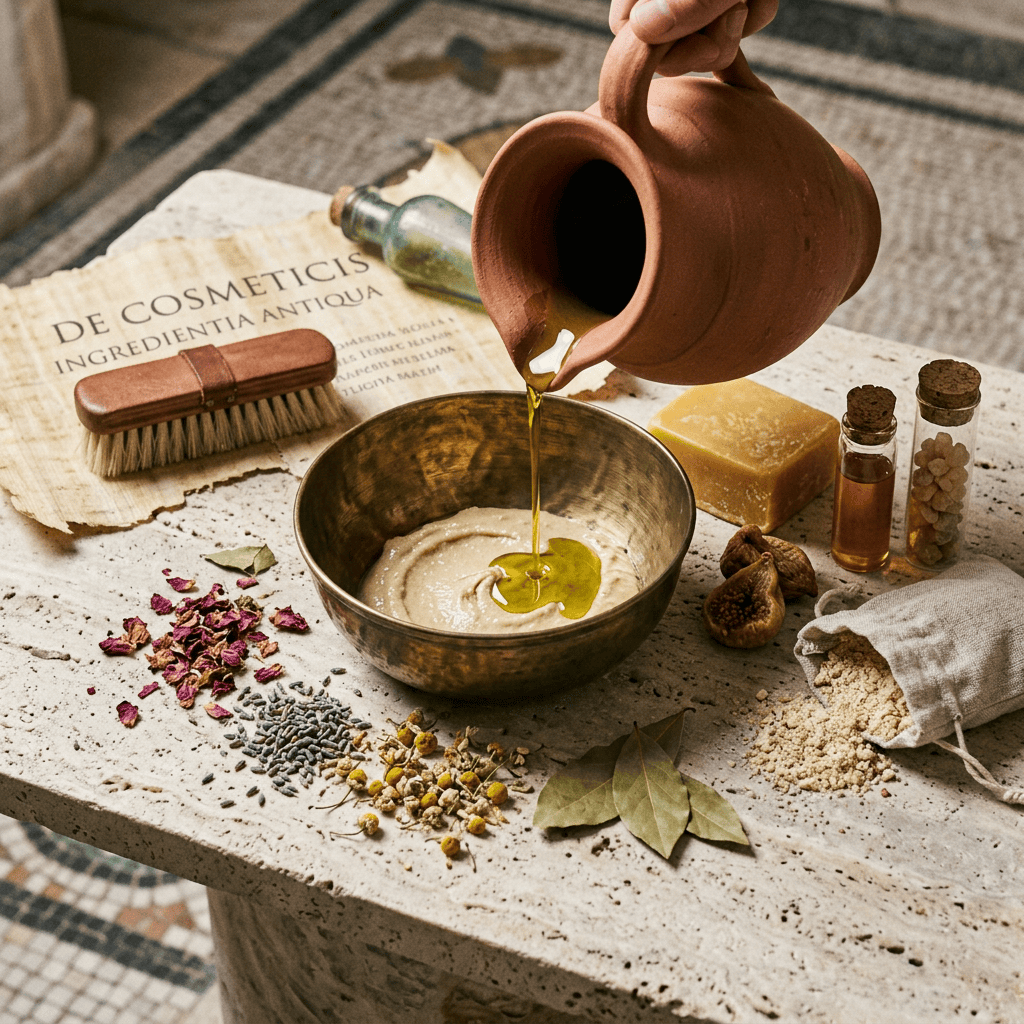
Roman skincare blended practicality with luxury, relying on ingredients that soothed, protected, and refreshed the skin. Olive oil was the foundation — used as a cleanser, moisturizer, and base for perfumes. Its emollient properties made it ideal for a climate of heat and dust. Honey was prized for hydration and healing, often used in masksContinue reading “Ancient Roman Skincare Ingredients”
Tag Archives: history
Ancient Roman Rouge
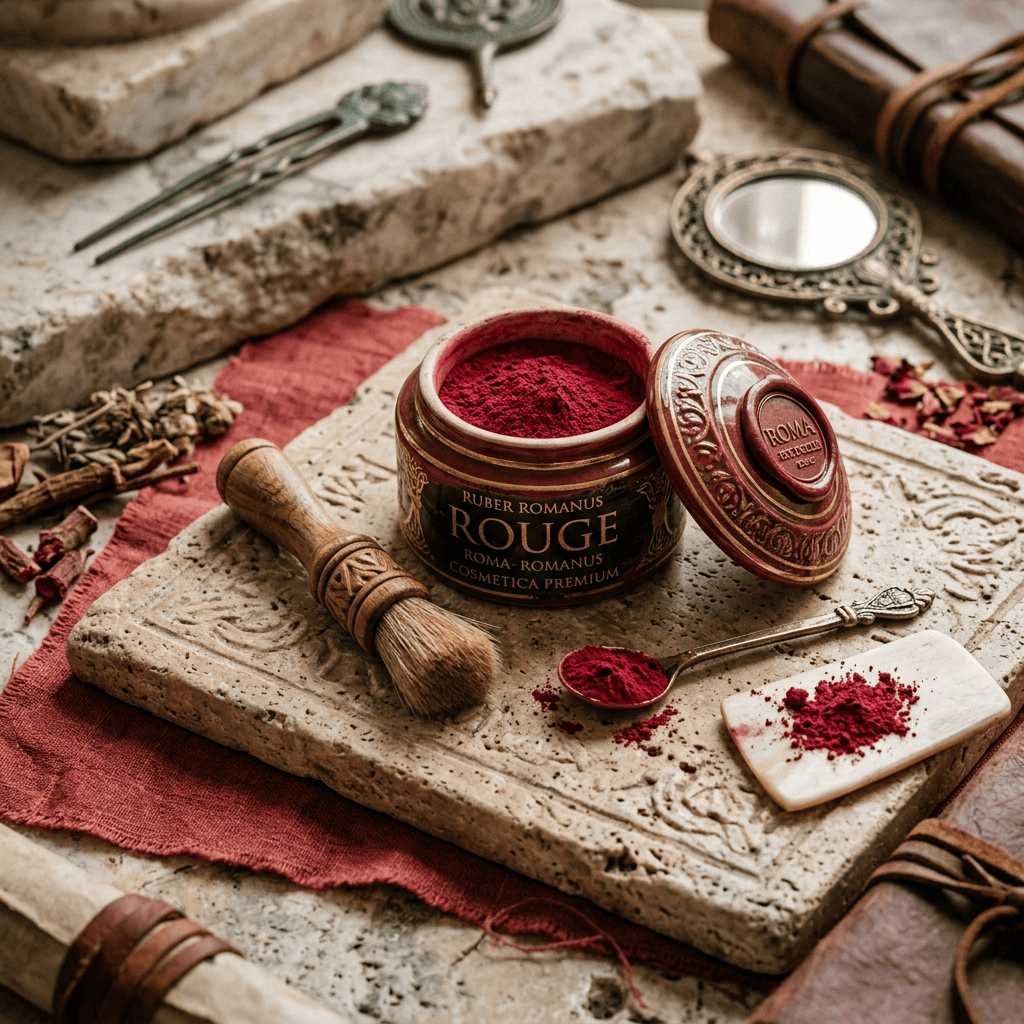
Rouge was central to Roman beauty, adding warmth, vitality, and definition to the face. Unlike the stark whiteness of later European cosmetics, Roman makeup aimed for a healthy, sun‑kissed glow. Rouge was applied to the cheeks and lips using pigments derived from red ochre, safflower, mulberries or imported cinnabar. Cinnabar, though vivid, contained mercury andContinue reading “Ancient Roman Rouge”
Ancient Rome: Spa Culture — Mud Baths, Oils, Massages
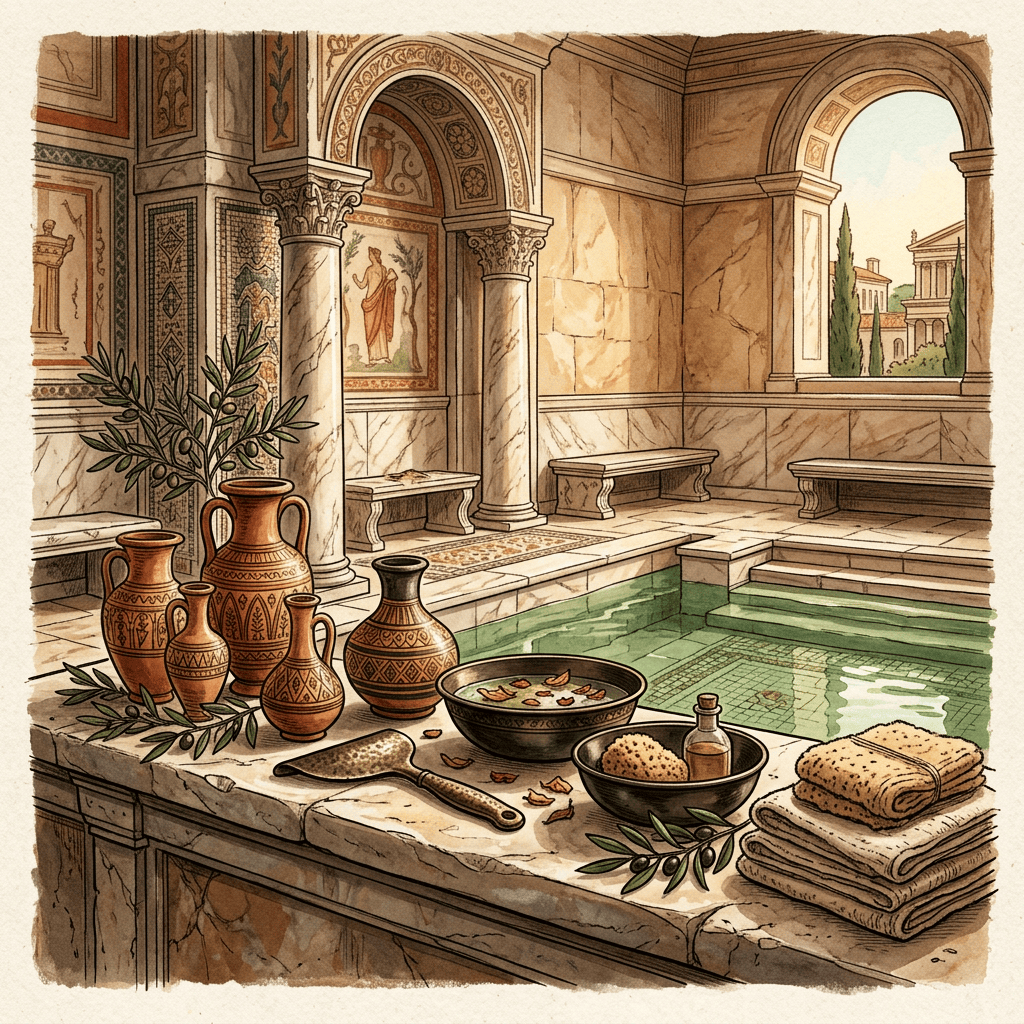
Roman spa culture was a sensory world built on warmth, touch, and indulgence. Inside the thermae, beauty and wellness blended seamlessly, offering treatments that feel strikingly modern. Mud baths were among the most luxurious rituals. Romans sourced mineral‑rich mud from thermal regions, applying it to the body to soothe joints, soften skin, and draw outContinue reading “Ancient Rome: Spa Culture — Mud Baths, Oils, Massages”
Beauty Patches: 18th‑Century Signals of Style and Status
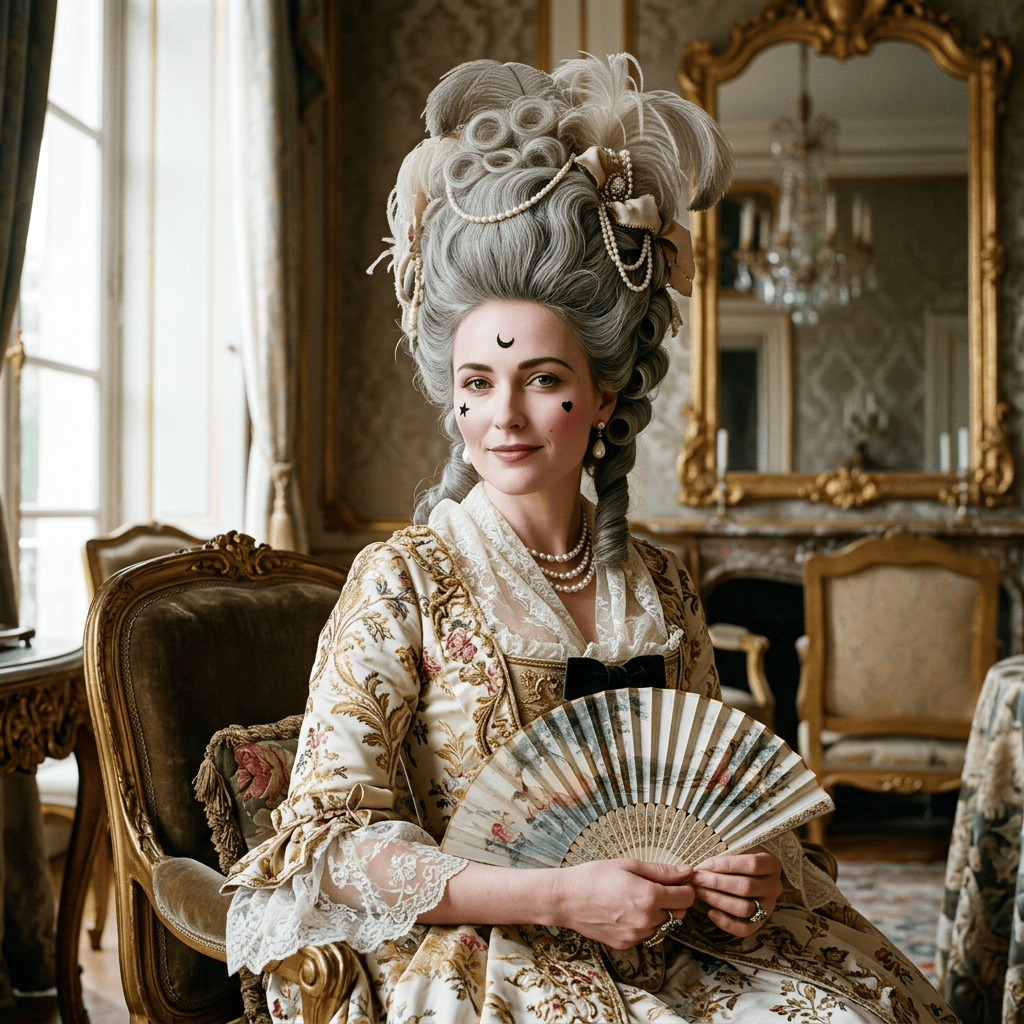
Beauty patches — small, velvet or silk cut‑outs shaped like stars, moons, hearts or simple circles — were one of the most charming and symbolic beauty trends of the Georgian and Rococo eras. Worn on the face, neck, or décolletage, these patches were more than decoration; they were a coded language of flirtation, fashion, andContinue reading “Beauty Patches: 18th‑Century Signals of Style and Status”
Ancient Rome: Early Cold Creams
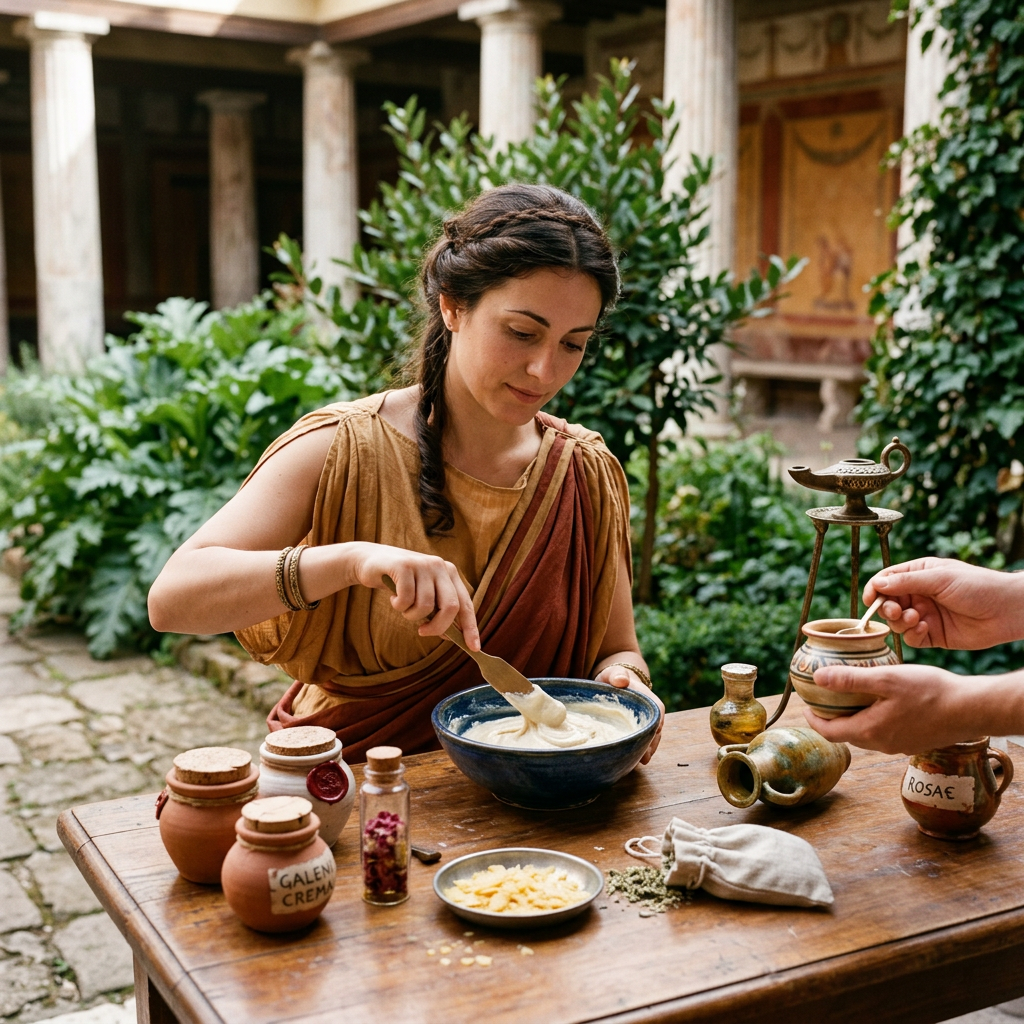
Cold cream is often credited to Galen in the 2nd century CE, but its origins reflect a much broader Roman fascination with texture, luxury, and skin preservation. Roman women — and many men — lived in a climate of sun, dust, and heat, making moisturization essential. Early cold‑cream‑like formulas emerged from this need: soft, coolingContinue reading “Ancient Rome: Early Cold Creams”
Ancient Rome: Bath-house Beauty
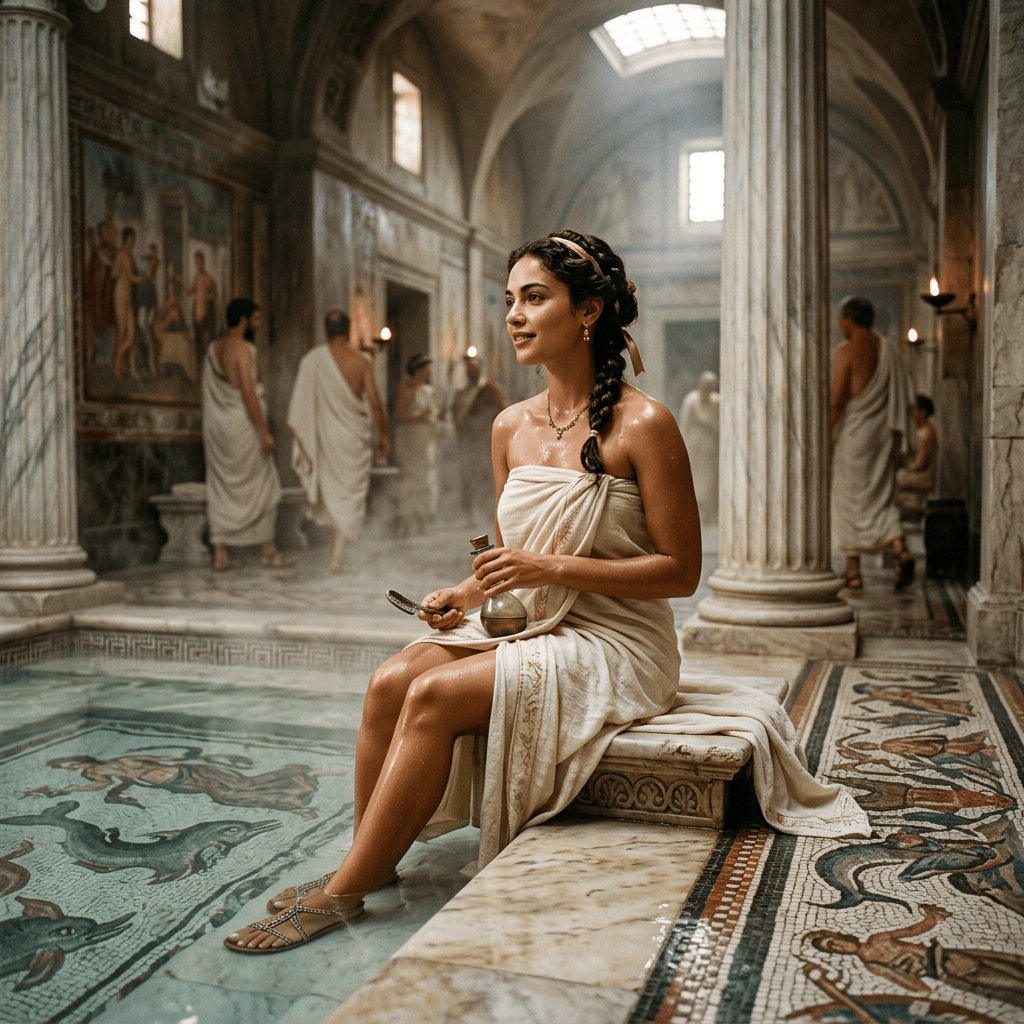
Roman bathhouses were more than communal spaces — they were the heart of Roman beauty culture. Across the empire, citizens visited the thermae not only to cleanse but to rejuvenate, socialize, and indulge in rituals that blended wellness with luxury. Bathing was a multi‑step experience, beginning with the apodyterium (changing room) and moving through warm,Continue reading “Ancient Rome: Bath-house Beauty”

