Beauty + Health Benefits of Sun-Dried Tomatoes

Sun‑dried tomatoes are one of those rare ingredients that feel both rustic and refined — a Mediterranean staple that brings depth, sweetness, and a concentrated burst of flavour to any dish. But beyond their culinary charm, sun‑dried tomatoes offer a surprising range of beauty and wellness benefits that make them a quiet powerhouse in the world of natural nutrition.

A Radiance‑Boosting Antioxidant Source
Sun‑dried tomatoes are rich in lycopene, a potent antioxidant known for supporting skin health. Lycopene helps protect the skin from environmental stressors and contributes to a more even, luminous complexion. Once dried, tomatoes become even more concentrated, making them a beauty‑from‑within essential.

Vitamins A and C for Skin Renewal
These vitamins are foundational for collagen production, skin repair and maintaining a healthy glow. Vitamin C brightens and supports firmness, while Vitamin A encourages cell turnover — together helping the skin look refreshed and revitalized.

Nutrient‑Dense Support for Hair Health
The iron and antioxidants found in sun‑dried tomatoes help support healthy circulation which is essential for strong hair growth. Their nutrient profile makes them a smart addition to any beauty‑focused diet.

Energy‑Supporting Minerals
Packed with potassium, magnesium and iron, sun‑dried tomatoes help support hydration, energy levels, and muscle function — all of which contribute to feeling and looking your best.

A Versatile Beauty Food
Whether added to salads, pasta, omelettes or enjoyed on their own, sun‑dried tomatoes are an easy way to elevate both flavour and nutrition. Their concentrated sweetness and chewy texture make them a beautiful complement to Mediterranean‑inspired dishes.

Sun‑dried tomatoes prove that beauty foods don’t need to be complicated, sometimes, the classics truly do the most.

I love sun‑dried tomatoes, and I’ve made variations of these recipes over the years. I wanted to share them with all of you!

I’m Stacey Hobbs, thanks for reading Face by Stace! Until next time.
do you feel fabulous today?
Napoleonic Era, Part II: Josephine’s Imperial Beauty Empire (1804–1810)

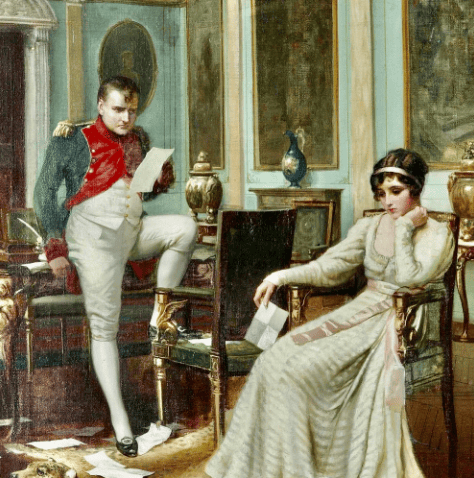
When Napoleon crowned himself Emperor in 1804, France entered a new age of spectacle — and at the centre of this imperial world stood Joséphine de Beauharnais, the woman who transformed French beauty from post‑revolutionary restraint into a revived symbol of luxury, sensuality and political power. Joséphine was not merely a fashionable figure; she was the vibe of the architect of the Empire. Her influence shaped everything from perfume culture to hair design, turning Paris once again into the world’s beauty capital.

Joséphine’s beauty philosophy was rooted in softness, elegance, and emotional allure. She favoured delicate curls arranged around the face, often adorned with pearls, gold combs or fine ribbons. Her hairstyles were inspired by classical antiquity but elevated with imperial ornamentation — a blend of Greek purity and French opulence. Her gowns, cut in the high‑waisted Empire silhouette, floated around her like mist, made of gauzy muslins and silks that emphasized movement and femininity. Joséphine understood that beauty was not static; it was theatrical, symbolic, and deeply tied to the identity of the new French Empire.

Perfume became her signature power. Joséphine adored fragrance with an intensity that shaped the entire era. She famously filled her residence at Malmaison with roses, jasmine, and orange blossoms, creating an environment saturated with scent. Her personal perfume collection was vast and her love of musk and floral waters helped revive the French perfumery industry after its near collapse during the Revolution. Napoleon himself was obsessed with cologne, reportedly using it in lavish quantities, but it was Joséphine who made fragrance a cultural force again — sensual, feminine and un-mistakably French.

Cosmetics also returned under her influence. Rouge, once politically dangerous, re-appeared in soft, natural tones. Skin was kept pale but luminous, achieved through light powders rather than the heavy white lead of the ancient régime. Jewelry became essential: tiaras, cameos and delicate imperial motifs that signaled both femininity and status. Joséphine’s beauty was not about excess; it was about refined luxury, a carefully curated aesthetic that balanced softness with imperial authority.

Under Joséphine, beauty became a diplomatic language. Her presence at court set the tone for fashion across Europe, and her style was copied in royal courts from Vienna to St. Petersburg. She embodied the idea that beauty could stabilize a nation emerging from chaos — that elegance could be a form of political reassurance. In her hands, French beauty re-gained its identity: romantic, luxurious and quietly powerful.

This chapter marks the height of Napoleonic glamour, the moment when French beauty re-claimed its throne through Joséphine’s influence. It is the era where perfume, fashion and femininity intertwined to create the un-mistakable vibe of the Empire, a look that remains in modern French beauty today.

I’m Stacey Hobbs, thanks for reading Face by Stace! Until next time.
do you feel fabulous today?
Chapter 3: What First‑Class Passengers Brought Aboard the Titanic

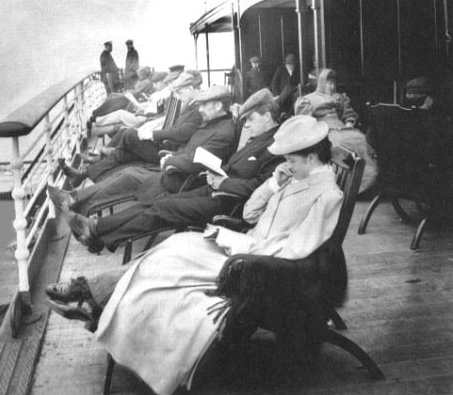
When Titanic sailed in April 1912, she carried more than the world’s wealthiest travellers — she carried their lives, their rituals, their comforts and their identities, all carefully packed into steamer trunks and leather cases. For first‑class passengers, travel was not a disruption of daily elegance. It was an extension of it.

Their luggage told a story: of privilege, of refinement, of a world that believed beauty and ritual should follow you wherever you went — even across the Atlantic.

This is what they brought aboard.

The Steamer Trunks: Portable Wardrobes of the Elite

First‑class passengers didn’t travel light. They arrived with Louis Vuitton, Goyard, and Moynat trunks — the status symbols of the Edwardian age.

These trunks were marvels of craftsmanship:

  • Wardrobe trunks with built‑in drawers and hanging bars
  • Hat trunks designed to protect elaborate millinery
  • Shoe trunks with individual compartments
  • Toiletry trunks lined in silk
  • Jewelry cases with velvet‑lined trays

A single family could board with 20–40 pieces of luggage, each one a curated archive of their life.

The Essentials of First‑Class Travel

For the Edwardian elite, “essentials” meant far more than clothing. Their trunks held the objects that defined their social world.

1. Calling Card Cases
No introduction was complete without a calling card. Women carried silver or mother‑of‑pearl cases engraved with their initials.

2. Opera Glasses
Even at sea, entertainment was expected. Many brought opera glasses for concerts and evening performances.

3. Writing Sets
Travel diaries, fountain pens, monogrammed stationery — correspondence was a daily ritual.

4. Silk Stockings & Gloves
A lady never travelled without multiple pairs of:

  • evening gloves
  • day gloves
  • driving gloves
  • silk stockings

Gloves were etiquette, not accessory.

The Luxuries: Objects of Comfort and Identity

First‑class passengers brought items that reflected their status and personal taste.

Jewelry Cases
Diamonds, pearls, brooches, and lavalier necklaces were stored in velvet‑lined boxes. Many women brought their finest pieces for dinners and soirées.

Perfume Bottles & Atomizers
Guerlain, Houbigant, Floris — the great houses of scent. Perfume was considered part of one’s identity, and women travelled with:

  • crystal atomizers
  • miniature flacons
  • scented sachets

Fans & Evening Accessories
Hand‑painted fans, beaded evening bags, and silk shawls were tucked into small cases.

Books & Leisure Items
First‑class passengers brought:

  • leather‑bound novels
  • travel guides
  • card decks
  • embroidery kits
  • sketchbooks

Leisure was an art form.

The Grooming & Toiletry Kits

Men and women alike travelled with silver grooming sets — the height of Edwardian refinement.

These sets often included:

  • hairbrushes
  • combs
  • mirrors
  • manicure tools
  • shaving kits
  • colognes
  • soaps
  • powders

All nestled in velvet compartments.

Children’s Luggage: Miniature Elegance

Even first‑class children travelled with refinement.

Their trunks held:

  • sailor suits
  • lace dresses
  • toys
  • books
  • hair ribbons
  • tiny gloves
  • miniature grooming sets

Childhood, even at sea, was curated.

The Sentimental Items

Among the luxuries were the objects that mattered most:

  • family photographs
  • lockets
  • letters
  • heirlooms
  • engagement gifts
  • keepsakes

These were the items passengers reached for in moments of quiet and the ones that carried the deepest meaning.

I’m Stacey Hobbs, thanks for reading Face by Stace! Until next time.
do you feel fabuloys today?

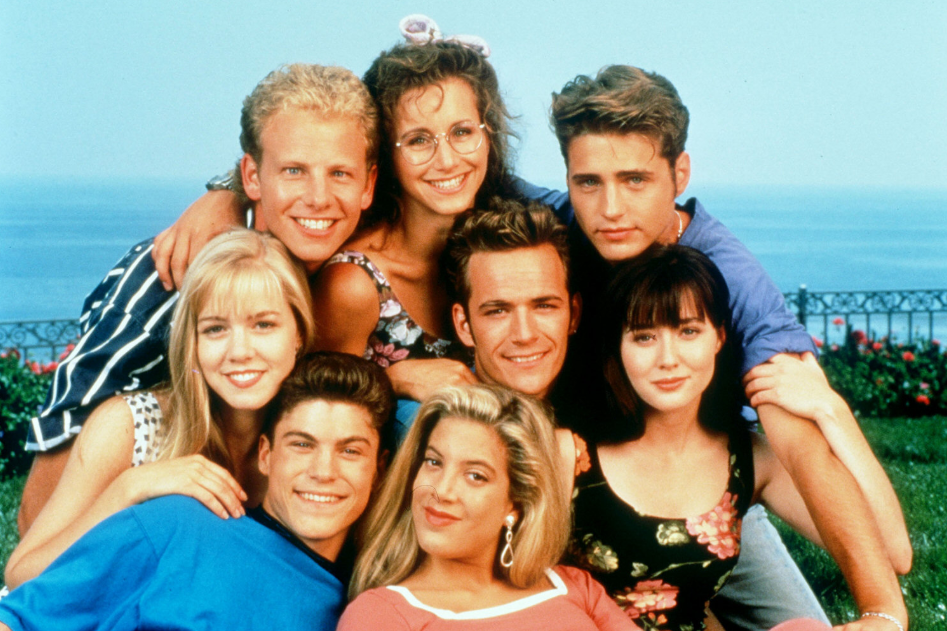
Beverly Hills, 90210: The Guys Who Defined 1990s Style

The men of Beverly Hills, 90210 shaped just as much of the show’s cultural vibe as the women. Their grooming, fashion, and overall presence helped define the 1990s ideal of California masculinity — clean, confident, sun‑lit, and effortlessly cool. Each character represented a distinct archetype, creating a blueprint for men’s style that influenced an entire decade.

Brandon Walsh: 
Clean-Cut California Classic

Brandon’s look was built on approachability and polish. His grooming was consistently neat — short, structured hair, clean lines, and a complexion that always appeared fresh and lightly sun‑touched.

Key elements:

  • Short, brushed‑back hair with minimal product
  • Soft bronzing for a healthy California glow
  • Neutral wardrobe: denim, button‑downs, varsity jackets
  • Minimal grooming: clean shave or light stubble

Brandon represented the “good guy” — timeless, understated, and effortlessly put‑together.

Dylan McKay: 
The Iconic 1990s Rebel

Dylan’s look became a cultural phenomenon. His appearance was intentionally imperfect — tousled, pompadour hair, subtle stubble and a brooding presence that defined the decade’s “rebel heart-throb.”

Key elements:

  • Tousled, voluminous hair with natural movement
  • Soft stubble for a lived‑in edge
  • Leather jackets, white tees, denim
  • Matte complexion with subtle definition

Dylan’s look was cinematic — a blend of James Dean nostalgia mixed with 1990s minimalism.

Steve Sanders: 
Preppy Athletic Glamour

Steve’s look leaned into athletic polish. His grooming was clean, his hair structured, and his wardrobe reflected the era’s preppy California confidence.

Key elements:

  • Blond, voluminous hair with a controlled wave
  • Clean shave
  • Preppy wardrobe: polos, varsity jackets, tailored denim
  • Healthy, lightly bronzed complexion

Steve represented the “athletic golden boy” mood— polished, bright and unmistakably 90210.

David Silver: 
The Emerging 1990s Trendsetter

David’s style evolved dramatically throughout the series. He moved from youthful awkwardness to a more refined, modern look that mirrored the decade’s shift toward music‑driven fashion.

Key elements:

  • Short, textured hair
  • Occasional stubble
  • Music‑influenced wardrobe: layered tees, denim, bomber jackets
  • Soft, natural complexion

David embodied the transitional 1990s male apparel— modern, expressive and culturally attuned.

I’m Stacey Hobbs, thanks for reading Face by Stace! Until next time.
do you feel fabulous today?

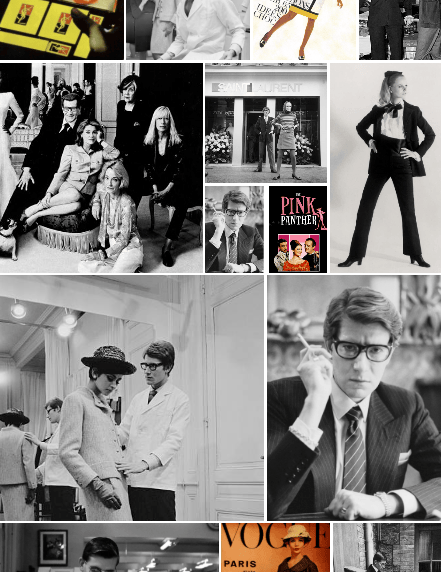
How Yves Saint Laurent’s Death Changed the Fashion World

Industry impact, legacy, and the shift after 2008

“Saint Laurent had changed fashion for everyone, not just for his own house.“

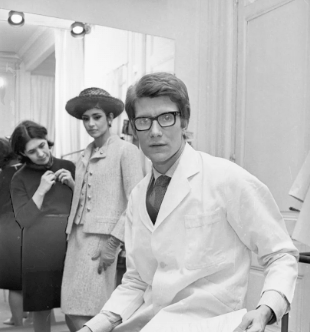
When Yves Saint Laurent passed away in 2008, the fashion world didn’t simply lose a designer — it lost one of its foundational architects. His influence was so deeply embedded in modern style that his absence created a visible shift across the industry.

1. A Collective Pause in the Industry

Designers across Paris, New York, London, and Milan paused their work to acknowledge the magnitude of the loss. Statements from Karl Lagerfeld, Giorgio Armani, and Valentino reflected a shared sentiment: “Saint Laurent had changed fashion for everyone, not just for his own house.”

2. Renewed Focus on His Innovations

His death prompted a wave of retrospectives examining:

  • Le Smoking and the birth of modern womenswear
  • Rive Gauche and the rise of ready‑to‑wear
  • his mastery of colour and global influences
  • his ability to merge art, culture and couture

Fashion schools incorporated more of his work into their curriculum. Museums expanded their archives. Editors re-visited his collections with fresh eyes.

3. A Shift at the House of YSL

Although Saint Laurent had retired years earlier, his passing created a symbolic turning point. The brand began moving toward a more modern, streamlined identity — one that honoured his legacy but also sought to redefine itself for a new generation.

This transition, especially under later creative directors, sparked ongoing conversations about:

  • how to preserve a designer’s DNA
  • how to evolve a heritage house
  • how to honour history without becoming trapped by it

4. The Rise of YSL Retrospectives and Exhibitions

His death accelerated major exhibitions around the world, including:

  • Paris
  • Marrakech
  • London
  • New York

These exhibitions didn’t just display clothing — they contextualized his work within art, politics, and culture, elevating him from designer to cultural figure.

5. A Permanent Place in Fashion History

Saint Laurent’s passing solidified his status as one of the most influential designers of the 20th century. His ideas — women in trousers, ready‑to‑wear as empowerment, global colour palettes — became permanent fixtures in fashion’s vocabulary.

The industry didn’t just mourn him. 
It re-calibrated around him.

Was the fashion world, the world ready for Yves Saint Laurent?

I’m Stacey Hobbs, thanks for reading Face by Stace! Until next time.
do you feel fabulous today?

The Meeting Where Dior Executives Told Him He Would Lead the House

“The Announcement That Changed Couture Forever”

Paris, October 1957 — Avenue Montaigne

The boardroom at 30 Avenue Montaigne had never felt so heavy. The curtains were drawn against the gray Paris morning, and the long mahogany table was lined with men in dark suits — executives, directors, guardians of the most powerful couture house in the world.

At the far end of the room sat Jacques Rouet, Dior’s trusted business director. His expression was solemn, un-readable. The air smelled faintly of wool, cigarette smoke, and something else — grief.

Yves Saint Laurent entered quietly.

He looked impossibly young in the doorway — thin, pale, eyes wide behind his glasses. He clutched his sketchbook to his chest like a shield. He had been summoned without explanation, and the silence in the room made his heart pound.

“Please, sit,” Rouet said.

Yves obeyed, folding into the chair as if trying to make himself smaller.

Rouet cleared his throat. “Yves… as you know, Monsieur Dior has passed.”

A flicker of pain crossed Yves’ face. He nodded.

Rouet continued. “Before his death, Monsieur Dior made a decision. A very important one.”

The room seemed to tighten around him.

“He named you,” Rouet said slowly, “as his successor.”

Yves blinked. “Me?”

A murmur rippled through the room not disapproval, not quite surprise but the acknowledgment of a truth they had all been preparing for.

Rouet leaned forward. “Monsieur Dior believed in your talent. He believed you were the future of this house.”

Yves felt the blood drain from his face. “But… I am twenty‑one.”

“Talent has no age,” Rouet replied, echoing Dior’s own words.

Another executive spoke — a man Yves had only seen in passing. “The press will be informed. The world will be watching. You must be ready.”

Yves swallowed hard. “I don’t know if I can do this.”

Rouet’s voice softened. “You can. Dior chose you. Not out of sentiment. Out of certainty.”

Yves looked down at his hands — trembling, ink‑stained, the hands of a boy who had come from Oran with nothing but a dream and a portfolio of sketches. Now those same hands were being asked to carry a legacy that had reshaped the world.

He whispered, “I will try.”

Rouet shook his head gently. “No, Yves. You will lead.”

The room fell silent again but this time, it was not the silence of grief.

It was the silence of history turning.

Yves Saint Laurent rose from his chair, still trembling, still un-sure, but standing nonetheless. The executives watched him with a mixture of caution and awe.

In that moment — fragile, surreal, impossible — the shy young gentleman became the head of the House of Dior.

And the future of fashion shifted on its axis. 

The next disruptor was going to disrupt House of Dior, the fashion world just as his predecessor, the founder had once done when he debut his 1947 New Look collection. 

I’m Stacey Hobbs, thanks for reading Face by Stace! Until next time.
do you feel fabulous today?
Disclaimer:
This scene is a reconstruction based on the known facts of what occurred. No documented dialogue between Christian Dior, the House of Dior, and Yves Saint Laurent has ever been published. No letters, memos, or transcripts survive, and all conversations between Dior and YSL were private. After YSL’s death, his letters were given to Vogue, but none include exchanges with Dior. This reconstruction offers insight into the emotional and historical reality of the moment, without claiming to reproduce any verbatim dialogue.