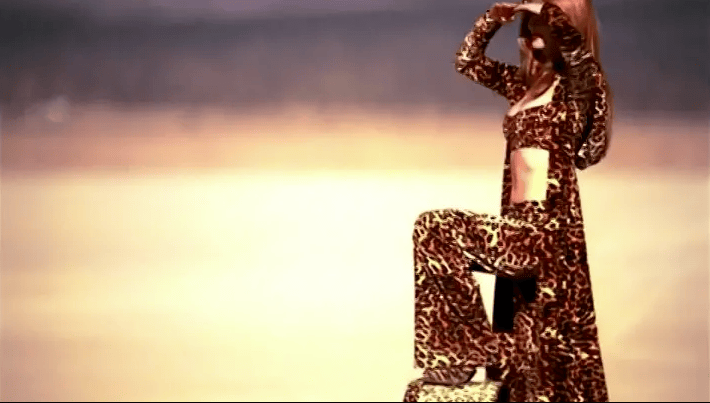
Shania Twain: The Iconic Leopard Print Bodysuit

Shania Twain’s leopard print era when she stepped into the frame wearing that full leopard print in That Don’t Impress Me Much. She transformed an animal pattern into a symbol of female autonomy, glamour and modern country rebellion.

Before Shania, leopard print in country music was rare, often dismissed as too bold, too urban, or too fashion‑forward for the genre’s traditional aesthetic. She changed that instantly. Her leopard print catsuit became one of the most recognizable fashion moments of the 1990s, a visual statement that country women could be glamorous, powerful, and un-apologetically stylish.

The Catsuit: A Cultural Landmark

The full leopard print catsuit was more than a styling choice. It represented:

  • Confidence sharpened into spectacle
  • A fusion of pop glamour and country identity
  • A new visual language for female performers
  • A rejection of the genre’s restrictive norms

The catsuit was sleek, sculptural, and cinematic — a silhouette that belonged as much to high fashion as it did to country music.

The Coat, the Hat, the Gloves

Shania didn’t stop at the catsuit. She layered leopard print with:

  • A dramatic floor‑length coat
  • A structured hat
  • Matching gloves
  • Coordinated boots

This wasn’t pattern‑matching, necessarily. She turned leopard print into a uniform of empowerment, a full identity rather than an accessory.

Pop-Country Fusion

Her leopard print era marked the moment country music embraced:

  • High fashion
  • Editorial styling
  • Music‑video glamour
  • International visual appeal

Shania’s styling made country music feel global. Her fashion choices helped bridge the gap between Nashville and mainstream pop culture.

The Legacy

Shania’s leopard print era influenced:

  • Stage fashion for female country artists
  • Music video styling across genres
  • The rise of “country glamour”
  • The acceptance of bold prints in country aesthetics

Today, leopard print remains synonymous with Shania Twain, a symbol of her impact, her confidence, and her refusal to conform.

She didn’t wear leopard print. 
She claimed it.

I’m Stacey Hobbs, thanks for reading. Until next time!
do you feel fabulous today?
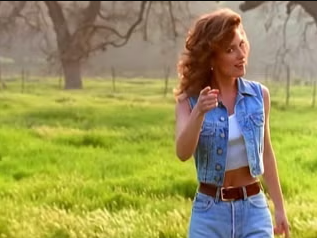
Shania Twain: The Country Fashion Evolution

Shania Twain didn’t simply enter country music, she actually re-engineered it with her fashion/style choices. Before her rise, the genre’s fashion identity leaned heavily on tradition: denim, fringe, boots and overall the entire country music look rooted in Americana. Shania disrupted that framework with a modern, glamorous and un-apologetically feminine approach that re-shaped the industry’s relationship with image. Shania wrote her own rules, not just with her version of country music, but also with her style. 

Her midriff became a cultural pivot point. It wasn’t just a styling choice — it was a statement of autonomy. Shania introduced a new appearance to country music: sleek, athletic, confident, and contemporary. She blended pop glamour with country heritage, creating a hybrid apparel that felt both rebellious and aspirational.

Little did the country music scene realize, it was in need of a country singer to switch things up, for this singer to bring a fresh take on country music and fashion. Enter Shania Twain. The most sold-out female country singer, primarily with her album, Come on Over, according to the Guinness World Records. 

The Midriff Revolution

Shania’s midriff was more than a trend; it was a visual thesis. It represented:

  • Female agency in a genre historically shaped by male narratives
  • Modernity in a space that often resisted change
  • Confidence expressed through fashion rather than performance alone
  • A new standard of stage presence that merged athleticism with glamour

Her styling choices told audiences that country women could be bold, glamorous, and self‑defined, without sacrificing authenticity.

The Glamour Shift

Shania’s wardrobe introduced elements rarely seen in country music at the time:

  • Metallic fabrics
  • Leopard print
  • Structured crop tops
  • High‑waisted trousers
  • Sleek ponytails and polished glam
  • Pop‑influenced silhouettes

She brought couture energy into a genre that had long relied on rustic motifs. This shift didn’t alienate country audiences — it expanded them. Her aesthetic made country music feel modern, international, and culturally relevant.

The Music Video Era

Shania’s videos became fashion landmarks. Man! I Feel Like a Woman!That Don’t Impress Me Much You’re Still the One.

Each visual era introduced a new facet of her identity:

  • The white shirt + black mini skirtbecame a global symbol of female empowerment.
  • The leopard print catsuit became a pop‑culture icon.
  • The sleek, romantic beach stylingin You’re Still the One defined 1990s soft glamour.

She used fashion as a narrative, with each look, it told a story about independence, desire, confidence, or transformation.

Cultural Impact

Shania’s fashion evolution re-shaped:

  • Country music’s relationship with femininity
  • The visual expectations for female performers
  • The crossover between country and pop aesthetics
  • The global perception of Canadian artistry
  • The rise of “country glamour” as a mainstream style

Her influence is still visible today in artists who blend genres and aesthetics — from Carrie Underwood to Kelsea Ballerini to Taylor Swift’s early career.

The Legacy

Shania Twain didn’t just modernize country fashion — she liberated it. She proved that glamour and authenticity can co-exist. She showed that femininity can be powerful, athletic, and self‑authored. She created a an appearance that made country music feel expansive, contemporary, and culturally resonant.

Her midriff wasn’t a trend. 
It was a revolution.

I’m Stacey Hobbs, thanks for reading Face by Stace! Until next time.

do you feel fabulous today?

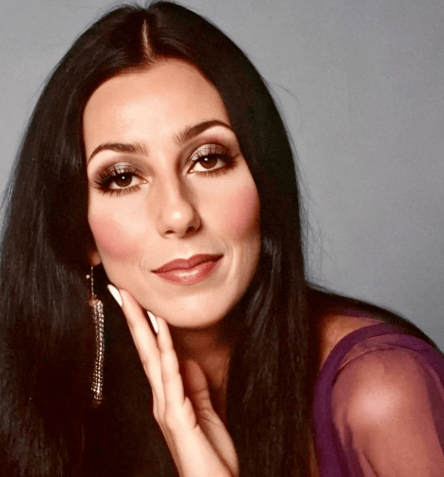
Cher’s Contour: Product Breakdown

(Modern products that re-create the 1970s sculpted look)

1. Cool‑Tone Contour 
(for the Cher cheekbone line)

Cher’s contour was shadow‑based, not bronzed. Use a cool‑tone contour to mimic natural depth.

Suggested modern equivalents:

  • Fenty Match Stix in Amber
  • Kevyn Aucoin Sculpting Powder in Medium

2. Satin Highlighter (not glittery)

1970s highlight was soft, creamy, and reflective — never sparkly.

Suggested modern equivalents:

  • Laura Mercier Matte Radiance Baked Powder
  • MAC Cream Colour Base in Pearl

3. Linear Nose Contour Brush

Cher’s nose contour was straight, sleek, and architectural.

Suggested modern equivalents:

  • Make Up For Ever Double Ended Sculpting Brush – #158
  • Sephora Collection PRO Contour Brush #79

4. Deep Crease Shadow (for the lifted eye)

Her contour worked with her eye shape — deepened crease, lifted liner.

Suggested modern equivalents:

  • Anastasia Beverly Hills Soft Glam (shades: Dusty Rose, Mulberry)
  • NARS Single Shadow in Bengali

5. Sculpting Foundation (for the satin finish)

Cher’s makeup was a matte finish, standard for studio lights and for photography, such as photo-shoots of the day, so her makeup artists opted for matte‑satin — never dewy, never flat.

Suggested modern equivalents:

  • Estée Lauder Double Wear
  • Shiseido Synchro Skin Radiant Lifting
  • Makeup Forever HD Skin

6. Dramatic Lashes (to balance the contour)

Her contour always paired with bold lashes.

Suggested modern equivalents:

  • Ardell Wispies
  • Velour Lashes Minimalist
  • Benefit BADgal Bang Mascara

I’m Stacey Hobbs, thanks for reading. Until next time!
do you feel fabulous today?

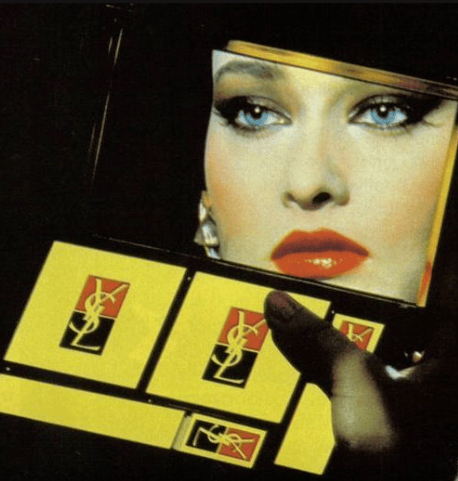
YSL + Beauty Advertising: The Evolution of the YSL Woman

The YSL woman has never been a passive figure in beauty advertising. She has always been a declaration of identity, of autonomy and of glamour sharpened into intention. Across decades, Yves Saint Laurent’s beauty campaigns have shaped a singular archetype: a woman who is not defined by the world around her, but who defines it through presence.

From the earliest campaigns, YSL positioned beauty as an extension of character. The woman in YSL makeup was not ornamental; she was decisive. She wasn’t afraid to wear colour, specifically bold colours. The brand’s advertising consistently framed beauty as a form of authorship, a way for a woman to write herself into the world with clarity and force.

In the 1970s and 1980s, YSL’s beauty imagery leaned into sculptural glamour. The woman was angular, modern, and un-afraid of contrast. She embodied the maison’s couture philosophy, which consisted of elegance sharpened by attitude. Makeup was not soft decoration; it was architecture. A red lip was a statement of arrival. A defined eye was a refusal to disappear. Bold. 

By the 1990s, the YSL woman evolved again. She became more fluid, more international, more attuned to the emerging language of luxury minimalism. Yet the core remained un-changed — she was still the protagonist. YSL’s advertising never drifted into passivity or trend‑chasing. Instead, it maintained a consistent visual thesis: beauty as power, glamour as intention, femininity as a controlled burn rather than a flicker.

Modern YSL Beauty continues this lineage. The contemporary YSL woman is polished, self‑possessed, and un-mistakably present. She is photographed in motion, in command, in the centre of the frame. The brand’s advertising still refuses to portray her as an accessory to the product. She is the narrative. The product is the punctuation.

Across eras, the evolution of the YSL woman is not a shift in identity; it is a refinement. She remains bold, modern, and architecturally glamorous. She remains the woman who enters a room with a point of view. She remains the woman who uses beauty not to soften herself, but to sharpen her presence.

YSL’s advertising has always understood one truth: 
A YSL woman does not wear beauty. She wields it.

Like the YSL woman, don’t be afraid to be bold. 

I’m Stacey Hobbs, thanks for reading. Until next time!
do you feel fabulous today?

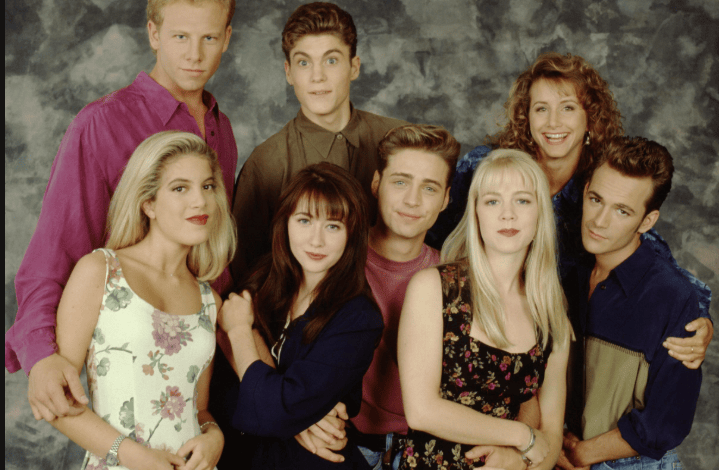
Beverly Hills, 90210: The Beauty Trends the Decade 1990s

Beverly Hills, 90210 defined an entire generation’s understanding of beauty, glamour and California modernity. More than a television series, it became a visual blueprint for 1990s aspirational aesthetics — a world where sun‑lit skin, effortless hair, and understated glamour shaped the cultural imagination.

The California Complexion: Sun‑Lit, Fresh, and Effortless

The show’s complexion aesthetic was foundational. Skin appeared fresh, lightly bronzed, and naturally radiant — a departure from the heavy, sculpted looks of the 1980s. This was the rise of the “California glow,” a beauty ideal that blended youthfulness with subtle polish.

Key elements included:

  • Sheer foundations that allowed natural skin to show through
  • Soft bronzing to mimic sun exposure without harsh contour
  • Minimal powder to maintain a lived‑in radiance
  • Natural flush applied high on the cheeks for lift

This complexion style became synonymous with 1990s American beauty.

Hair: Volume, Movement, and Iconic Silhouettes

Hair on Beverly Hills, 90210 was a cultural phenomenon. From Kelly Taylor’s voluminous blowouts to Brenda Walsh’s structured waves, the series defined the decade’s hair identity.

Techniques included:

  • Round‑brush blowouts for controlled volume
  • Soft layering to create movement and dimension
  • Face‑framing pieces that softened the profile
  • Natural finishes that avoided stiffness or over‑styling

These silhouettes became aspirational templates for salons across North America.

Makeup: Understated Glamour with Strategic Definition

The show’s makeup aesthetic balanced natural beauty with subtle definition. It was approachable yet polished — a look that felt attainable but aspirational.

Key elements included:

  • Neutral eyeshadows in taupe, sand, and soft brown
  • Defined lashes that opened the eyes without heaviness
  • Soft‑lined lips in nudes, roses, and muted berries
  • Minimal shimmer to maintain realism

This was glamour adapted for everyday life — refined, modern, and culturally influential.

Cultural Impact: The 90210 Effect

Beverly Hills, 90210 didn’t just reflect beauty trends — it created them. It is a look that shaped 1990s teen beauty culture, salon trends across North America, the rise of “California minimalism,” the shift toward natural, fresh‑faced glamour.

The show’s beauty identity remains iconic because it captured a moment when glamour became accessible, when everyday beauty could feel cinematic.

I’m Stacey Hobbs, thanks for reading! Until next time.
do you feel fabulous today?

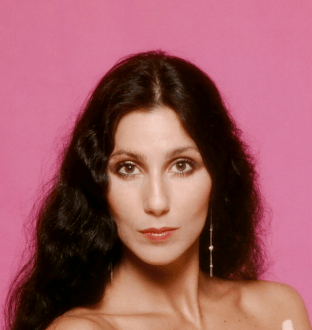
Cher’s Makeup Artist Techniques (1970s Sculpt + Spotlight Precision)

Cher’s makeup artists approached her face the way a designer approaches couture, one may say, with structure, intention, and an understanding of how light behaves on bone, in this case, cheekbones.

Here are the techniques behind her iconic 1970s sculpt:

1. Shadow Mapping Before Foundation

Cher’s artists often applied contour before foundation, a reverse technique that allowed the shadows to melt into the skin rather than sit on top. This method is commonly used by pro makeup artists when working with cream contour and cream highlighter. It blends seamlessly when applying foundation and powder over top, plus it remains in tact for a full day wear. No touch ups required. This was standard practice for contouring under studio lights, although it is really for anyone. This created depth without harsh lines and gave her face that seamless, statuesque quality.

2. Cool‑Tone Sculpting Only

Bronzer was never part of Cher’s contour. Her artists used cool‑tone creams and powders to mimic natural shadow, creating a sharper, more architectural look. Warmth would have softened her angles — and Cher’s look was all about precision.

3. High Cheek Placement for Maximum Lift

Her contour line sat higher than traditional cheek contour. Artists placed the shadow almost at the temple, pulling the face upward to elongate her. This technique became known as the “Cher line.”

4. Linear Nose Contour — No Rounding, No Softening

Cher’s nose contour was straight and sleek. Artists used two parallel lines down the bridge, blending only the edges. This created a sculpted, camera‑ready nose that photographed beautifully under studio lights.

5. Matte‑Satin Skin for Controlled Light Reflection

Cher’s complexion was never dewy. Her artists used matte‑satin foundations to control where the light hit — cheekbones, brow bone, nose bridge — and nowhere else. This kept her contour crisp and intentional.

6. Deepened Crease + Pulled Liner to Match the Sculpt

Her eye makeup always complemented the contour. A deepened crease added dimension, while upward‑pulled liner echoed the lift of her cheekbones. Everything moved in one direction: upward.

7. Strategic Powdering for Photographic Precision

Cher’s artists powdered only where needed — jawline, under‑eye, sides of the nose — to keep the sculpt sharp. This selective powdering prevented flattening the face while maintaining definition.

8. Layering Cream + Powder for Longevity

Cher’s contour was built to last under stage lights. Artists layered cream contour with powder sculpting to lock in shape and intensity.

Cher’s contour wasn’t just makeup — it was a ritual of transformation. 
A sculpted identity. 
A beauty architecture that defined an era.

I’m Stacey Hobbs, thanks for reading. Until next time!
do you feel fabulous today?