
Jillian Harris Inspired: Cranberry Rosé Spritz Mocktail

Soft, sparkling, floral, and perfectly West Coast‑chic.

A bright, bubbly cranberry spritz with soft rosé notes, botanical rosemary and a festive ruby glow. It’s refreshing, feminine and effortlessly elegant — the kind of mocktail Jillian Harris would serve at a cozy autumn brunch or a holiday gathering.

Prep 5 min Cook 0 min Serves 2

5 Refreshing and Delicious Cranberry Mocktail Spritzer with Rosemary Recipes

5 Refreshing and Delicious Cranberry Mocktail Spritzer with Rosemary Recipes/healthytastydrinks.com

Ingredients

1/2 cup cranberry juice (unsweetened preferred)
2 tbsp rosé syrup or floral rosé-inspired syrup
1 tbsp lemon juice
1 tbsp maple syrup (optional)
1 cup sparkling water
As needed ice
Handful fresh cranberries
2 sprigs fresh rosemary
2–4 slices lime or lemon

Instructions

  1. Build the base
    In a small pitcher, mix cranberry juice, rosé syrup, lemon juice, and maple syrup.
  2. Prepare the glasses
    Fill two glasses with ice.
  3. Pour
    Divide the cranberry–rosé mixture evenly between the glasses.
  4. Top with bubbles
    Add sparkling water to each glass.
  5. Garnish
    Finish with rosemary sprigs, fresh cranberries, and citrus slices.
  6. Serve
    Enjoy immediately for maximum sparkle and freshness.
Cranberry mocktail spritzer with rosemary – Artofit

Cranberry mocktail spritzer with rosemary – Artofit/www.artofit.org

Beauty Benefits

  • Cranberries brighten skin with vitamin C
  • Rosemary supports circulation + glow
  • Sparkling water hydrates for plump skin
  • Low‑sugar mocktail keeps inflammation down

Health Benefits

  • Antioxidant‑rich cranberries
  • Hydrating sparkling water
  • No alcohol → supports liver + skin clarity
  • Naturally sweetened options available
5 Refreshing and Delicious Cranberry Mocktail Spritzer with Rosemary Recipes

5 Refreshing and Delicious Cranberry Mocktail Spritzer with Rosemary Recipes/healthytastydrinks.com

Storage

  • Best served immediately
  • Cranberry syrup keeps 5 days refrigerated
  • Assemble spritz right before serving for maximum bubbles

Substitutions

  • Swap rosé syrup for elderflower syrup
  • Use lime instead of lemon
  • Add orange slices for warmth
  • Use rosemary sugar rim for extra glam

History

Spritz cocktails originated in Northern Italy, where sparkling wine was mixed with soda water for a lighter, daytime drink. As the trend moved into modern entertaining, mocktail spritzes became a staple — offering the same celebratory feel without alcohol.

Cranberries, native to North America, have been used for centuries by Indigenous communities for food, medicine, and dyes. Their tartness pairs beautifully with floral rosé flavors, creating a balanced, modern Canadian mocktail.

This recipe blends:

  • Italian spritz tradition
  • Indigenous cranberry heritage
  • West Coast brunch culture Styled through Jillian’s lens: soft, feminine, and perfect for hosting.

I’m Stacey Hobbs, thanks for reading Face by Stace! Until next time.
do you feel fabulous today?
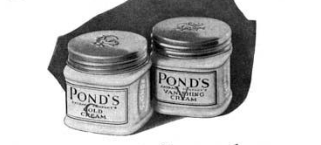
Great Depression Homemade Cold Creams: Comfort, Ingenuity and Beauty in Hard Times

During the Great Depression, beauty rituals didn’t disappear — they transformed. When store‑bought cosmetics became luxuries few could afford, women turned to their kitchens and pantries to recreate the products they once relied on. One of the most beloved DIY creations of the era was homemade cold cream, a simple, soothing mixture that kept skin soft, clean and protected when commercial jars were out of reach.

Cold cream had been a beauty staple since the Victorian era, prized for its ability to cleanse, moisturize and remove makeup. But by the 1930s, brands like Pond’s were suddenly too expensive for many households. Women responded with ingenuity, crafting their own versions using ingredients they already had: petroleum jelly, milk or cream, beeswax, lemon juice, olive oil and even cornstarch. These homemade blends weren’t perfect replicas but they worked — and they carried a sense of comfort during a time when life felt uncertain.

Recipes varied from household to household. Some women melted beeswax with olive oil to create a rich balm. Others mixed petroleum jelly with a splash of milk to mimic the creamy texture of commercial cold creams. A few added lemon juice for brightness or rosewater for fragrance, creating a product that felt both practical and indulgent. These creams softened dry skin, removed soot‑based homemade mascara and offered a moment of calm in a world defined by scarcity.

Cold creams allowed women to maintain small rituals of care and dignity even when money was tight. In a decade marked by hardship, a jar of homemade cream on a bedside table represented hope, resourcefulness and the belief that beauty could still exist in everyday life.

Today, these Depression‑era recipes remind us that beauty culture has always been shaped by creativity. Cold cream — whether store‑bought or homemade — remains a timeless ritual. And the versions crafted in 1930s kitchens stand as quiet proof that even in difficult times, people find ways to care for themselves.

I’m Stacey Hobbs, thanks for reading Face by Stace! Until next time.
do you feel fabulous today?
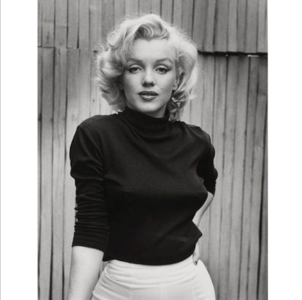
The Wanderbra’s Montreal Origins

One of the most charming details about the Wanderbra is that it wasn’t a Parisian couture creation or a New York department‑store innovation — it was Canadian. Invented in Montreal, the Wanderbra emerged from a city that was becoming a hub for garment manufacturing, textile innovation and practical fashion design during the early 20th century.

Montreal’s lingerie industry was booming in the 1920s and 1930s. The city produced slips, girdles, brassieres, hosiery and underpinnings for women across North America. Factories were modern, skilled seamstresses were plentiful and the city had a reputation for balancing affordability with quality — the perfect environment for a Depression‑era garment like the Wanderbra.

The Wanderbra’s Canadian roots also explain its practicality. It wasn’t designed for runway spectacle; it was designed for real women, living real lives, needing comfort, mobility and affordability. Montreal’s manufacturers understood that women were working, commuting, and navigating a changing world. The Wanderbra reflected that reality with its soft construction, gentle support and accessible price point.

It’s a reminder that fashion history isn’t only written in Paris or New York. Sometimes, the revolutions — the ones that change how women dress every single day — begin in places like Montreal, where practicality meets ingenuity.

I’m Stacey Hobbs, thanks for reading Face by Stace! Until next time.
do you feel fabulous today?
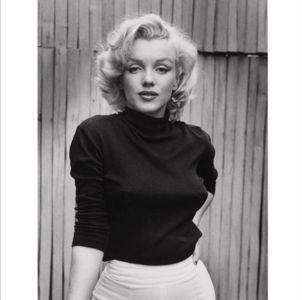
The Wanderbra: A 1930s Innovation That Changed Women’s Fashion

In the 1930s, as hemlines shifted, silhouettes softenen and women’s wardrobes became more modern, one small but revolutionary garment appeared: the Wanderbra. It wasn’t glamorous, it wasn’t couture and it wasn’t meant to be seen — yet it transformed how women dressed, moved and felt in their clothing during one of the most economically difficult decades in history.

The Wanderbra was designed for practicality above all else. It offered gentle support without the rigid boning, heavy fabrics or restrictive structure of earlier undergarments. Women were working, walking, commuting, and living more active lives, and they needed underwear that matched their reality. The Wanderbra stepped in as a lightweight, flexible solution that fit the new rhythm of the era.

Its construction was simple: soft cups, minimal seams and a design that allowed the bust to sit naturally rather than being forced into a dramatic shape. This was a departure from the pointed, uplifted silhouettes that would dominate the 1940s and 1950s. In the 1930s, the ideal figure was streamlined — elegant, elongated and subtle. The Wanderbra supported that aesthetic perfectly.

It also reflected Depression‑era ingenuity. Women wanted to look polished but they needed affordability. The Wanderbra was accessible, durable and easy to wash — a practical garment for a decade defined by resourcefulness. It paired seamlessly with the bias‑cut dresses of the time, which draped beautifully over the body and required undergarments that didn’t interrupt the line.

In many ways, the Wanderbra was a quiet revolution. It helped shift lingerie from rigid architecture to comfortable design. It supported the rise of modern fashion silhouettes. And it gave women a sense of ease at a moment when life felt anything but easy.

Today, it stands as a reminder that fashion history isn’t only about gowns, designers and runways. Sometimes, the most influential pieces are the ones worn closest to the skin — shaping not just the body, but the way women moved through the world.

I’m Stacey Hobbs, thanks for reading Face by Stace! Until next time.
do you feel fabulous today?
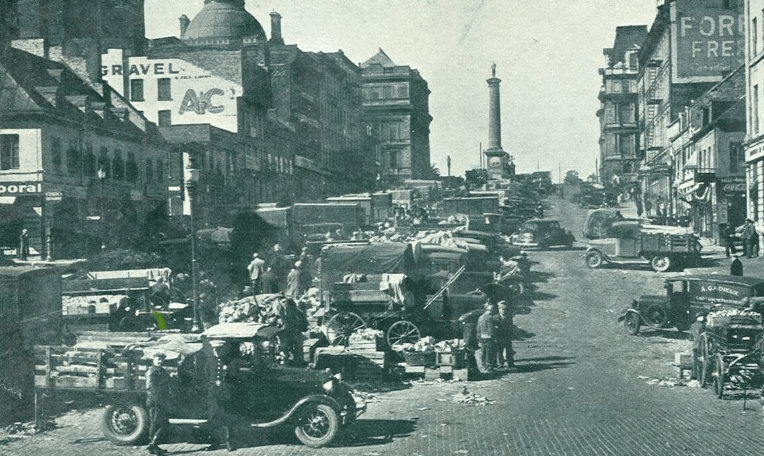
Montreal in the 1930s: The City That Dressed a Continent

Montreal, often referred to as “Paris of the New World” or “Paris of North America, specifically by Americans during the 1920s, during Prohibition era. In the 1930s, Montreal wasn’t just a Canadian city — it was one of North America’s most important garment hubs. Its factories produced dresses, coats, lingerie, uniforms, knitwear and underpinnings that shipped across Canada and into the United States. The district buzzed with energy: sewing machines humming, fabric mills running, designers sketching and workers moving through narrow streets lined with warehouses and ateliers.

Montreal’s strength came from its blend of cultures — French influence, English industry and immigrant craftsmanship. This mix created a fashion ecosystem that valued both artistry and practicality. While Paris dictated couture, Montreal mastered mass production without sacrificing quality.

“Paris of the New World” excelled in:

  • Lingerie and undergarments (including the Wanderbra)
  • Ready‑to‑wear dresses
  • Knitwear and sportswear
  • Uniforms and workwear
  • Affordable fashion for Depression‑era households

Montreal’s garment district was also a major employer for women, giving them economic independence during a decade when jobs were scarce. Seamstresses, pattern cutters, finishers and pressers formed the backbone of the industry.

By the mid‑20th century, Montreal had earned a reputation as the “Paris of North America,” not because it copied French fashion but because it created its own blend of elegance and practicality. The city’s garment district shaped Canadian fashion identity — and influenced American wardrobes too.

I’m Stacey Hobbs, thanks for reading Face by Stace! Until next time.
do you feel fabulous today?
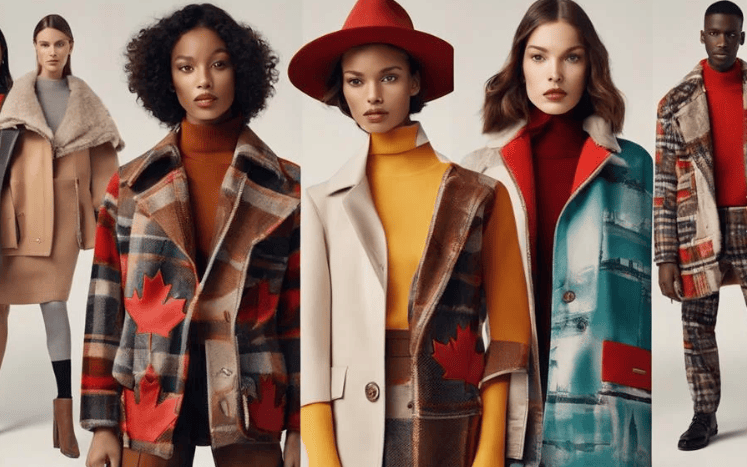
The History of Canadian Fashion: Quiet Innovation, Cultural Blend, and Global Influence

Canadian fashion has always been defined by subtlety, craftsmanship and intelligence rather than spectacle. While Paris and New York dominated headlines, Canada quietly built an industry rooted in practicality, artistry and cultural diversity — shaping wardrobes across North America in ways most people never realized.

Early 20th Century: The Rise of Montreal’s Garment Industry

By the 1910s and 1920s, Montreal had become one of North America’s most important garment hubs. Its factories produced dresses, coats, lingerie, uniforms, knitwear and underpinnings for women across Canada and the United States. The city’s blend of French influence, English industry and immigrant craftsmanship created a fashion ecosystem that valued both artistry and practicality.

This is the era that produced the Wanderbra, a Depression‑era innovation that offered comfort, affordability and modernity — a Canadian invention born in Montreal’s bustling lingerie district.

Mid‑Century: Practical Elegance and Outerwear Innovation

Canada’s climate shaped its fashion identity. Designers and manufacturers became global leaders in:

  • outerwear
  • knitwear
  • cold‑weather textiles
  • fur and faux‑fur innovation
  • parkas and performance coats

Brands like Canada Goose, Sorel, and Roots emerged from this era, blending utility with style.

1960s–1980s: Toronto’s Rise as a Fashion Capital

While Montreal remained the creative heart, Toronto became the commercial and media capital. It developed:

  • major retail headquarters
  • magazine and editorial hubs
  • celebrity styling networks
  • Toronto Fashion Week (in its various incarnations)
  • a strong ready‑to‑wear scene

Toronto amplified Canadian fashion globally, giving designers a platform and connecting them to international markets.

1990s–2000s: Canadian Designers Go Global

Canadian designers began shaping international fashion:

  • Dsquared2 (Canadian twins dominating Milan)
  • Erdem (London couture with Canadian roots)
  • Aurora James (Brother Vellies, CFDA winner)
  • Marie Saint Pierre (Montreal avant‑garde)
  • Mikhael Kale (celebrity‑worn couture)
  • Smythe (Kate Middleton’s blazer brand)

Canadian fashion became known for minimalism, craftsmanship and quiet luxury.

Today: A Blend of Heritage, Innovation, and Cultural Diversity

Modern Canadian fashion is defined by:

  • Indigenous designers and beadwork traditions
  • sustainability and ethical production
  • outerwear excellence
  • minimalist luxury
  • multicultural influence
  • strong craftsmanship
  • global retail presence

Canada doesn’t chase trends — it builds wardrobes. It’s respected for its intelligence, practicality and cultural richness.

I’m Stacey Hobbs, thanks for reading Face by Stace! Until next time.
do you feel fabulous today?