Love & Lemons Inspired Pear, Arugula & Lemon Vinaigrette Salad

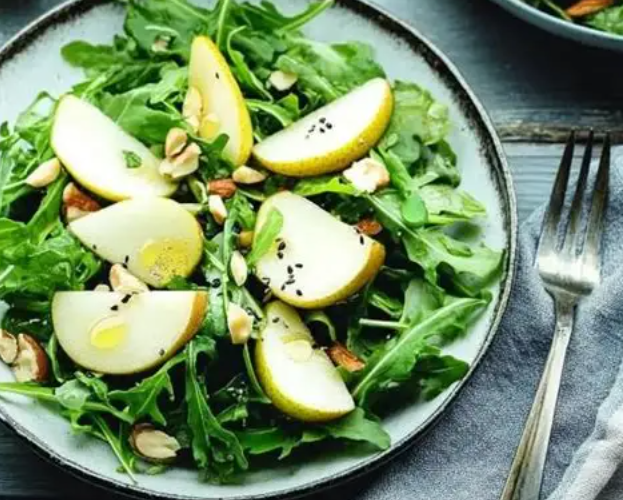
Pear, Arugula & Lemon Vinaigrette Salad

Crisp, bright, minimalist greens with juicy pear slices.

Prep 10 min
Cook 0 min
Serves 2

Arugula Pear Salad With Lemon Dressing – in 2025 | Pear salad, Delicious salads, Flavorful recipes
Ultimate Arugula Salad with Asian Pears: A Delicious Delight/www.recipesbykatie.com

Ingredients

  • 4 cups arugula
  • 1–2 ripe pears, thinly sliced
  • ¼ cup toasted almonds or walnuts
  • Shaved Parmesan (optional — L&L often keeps it dairy-light)
  • Fresh cracked pepper

Lemon Vinaigrette:

  • 2 tbsp lemon juice
  • 2 tbsp olive oil
  • 1 tsp Dijon
  • 1 tsp honey or maple
  • Pinch of sea salt

Instructions

  1. Whisk lemon juice, olive oil, Dijon, honey, and salt until emulsified.
  2. Toss arugula lightly with half the vinaigrette.
  3. Add pear slices, nuts, and optional Parmesan.
  4. Drizzle remaining vinaigrette.
  5. Finish with cracked pepper.

Beauty Benefits

  • Pear humectants hydrate the skin internally.
  • Arugula’s chlorophyll supports detoxification → clearer complexion.
  • Lemon boosts collagen production.
  • Olive oil provides healthy fats for barrier strength.

Health Benefits

  • High fibre from pears supports digestion.
  • Arugula offers folate + antioxidants.
  • Lemon supports immunity and metabolic balance.
  • Nuts add healthy fats + minerals.

Historical Context

Pear salads have roots in Mediterranean cooking, where fruit is often paired with greens and citrus. Love & Lemons modernizes this tradition with bright vinaigrettes, plant‑forward styling and minimalist plating. The combination of pears + lemon + arugula reflects their signature approach: simple ingredients, high freshness and clean flavours.

Storage

  • Best enjoyed immediately — pears oxidize quickly.
  • If storing, keep dressing separate and refrigerate up to 24 hours.
  • Add fresh pear slices just before serving.

Substitutions

  • Spinach instead of arugula for a softer green.
  • Maple syrup instead of honey for a Canadian twist.
  • Pecans instead of almonds for extra sweetness.
  • Apple slices if pears aren’t in season.
  • Vegan Parmesan or omit cheese entirely.

Enjoy!

I’m Stacey Hobbs, thanks for reading Face by Stace! Until next time.
do you feel fabulous today?

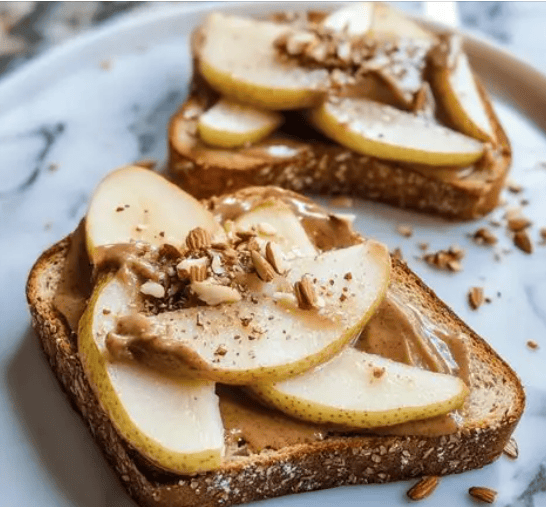
Love & Lemons Inspired: Pear & Almond Butter Toast with Lemon Zest

Simple, elegant, everyday‑beautiful — quintessential Love & Lemons breakfast.

Prep 5 min
Cook 0 min
Serves 1

Almond Butter and Pear Toast – Quicker Bites/quickerbites.com
Almond Butter and Pear Toast: A Sweet and Nutty Breakfast Idea – FOODIE SAVORY/foodiesavory.com

Ingredients

  • 2 slices whole‑grain or sourdough bread
  • 2–3 tbsp almond butter
  • 1 ripe pear, thinly sliced
  • Lemon zest (freshly grated)
  • Drizzle of honey or maple syrup
  • Pinch of flaky sea salt
  • Optional: chia seeds, hemp seeds, crushed pistachios

Instructions

  1. Toast bread until crisp and golden.
  2. Spread almond butter generously.
  3. Layer pear slices neatly on top.
  4. Add lemon zest for brightness.
  5. Drizzle honey/maple lightly.
  6. Finish with flaky salt and optional seeds.

Beauty Benefits

  • Pear humectants hydrate the skin internally.
  • Almond butter provides vitamin E → barrier repair + glow.
  • Lemon zest boosts collagen production.
  • Whole grains support steady energy and clearer complexion.

Health Benefits

  • Fibre from pears supports digestion.
  • Healthy fats from almond butter stabilize blood sugar.
  • Lemon zest offers antioxidants and metabolic support.
  • Whole‑grain toast provides sustained energy.

Historical Context

Fruit‑and‑nut‑butter toast has roots in California wellness cooking, where simple, whole ingredients are layered for nutrient density. Love & Lemons popularized the minimalist, citrus‑forward version — bright lemon zest, clean plating and seasonal fruit.

This pear toast reflects their signature aesthetic: simple, fresh, plant‑forward and visually clean.

Storage

  • Best enjoyed immediately.
  • If prepping ahead, slice pears and store with a squeeze of lemon for up to 24 hours.
  • Toast and assemble just before serving to maintain crispness.

Substitutions

  • Cashew butter for a creamier, sweeter profile.
  • Peanut butter for a classic comfort twist.
  • Apples instead of pears if out of season.
  • Orange zest instead of lemon for a softer citrus note.
  • Cinnamon sprinkled on top for warmth.

I’m Stacey Hobbs, thanks for reading Face by Stace! Until next time.
do you feel fabulous today?

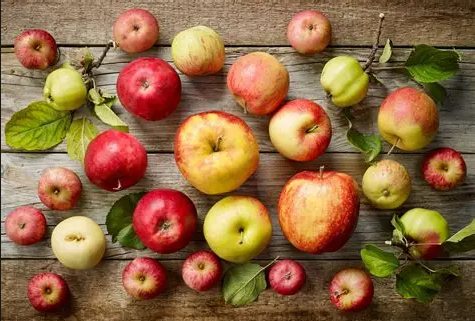
Beauty Recipes: The Apple Series: Apple Lip Polish

A gentle, brightening lip exfoliant that smooths texture, enhances natural lip colour and prepares lips for autumn’s deeper shades.

Ingredients

  • 1 tsp fresh apple purée
  • 1 tsp fine sugar (or brown sugar for a softer scrub)
  • ½ tsp honey
  • 2–3 drops jojoba oil

Instructions

  1. Combine apple purée, sugar, honey, and jojoba oil until a soft, even paste forms.
  2. Apply to clean lips and massage gently for 30–45 seconds using circular motions.
  3. Rinse with cool water.
  4. Follow with a hydrating lip balm or oil to seal in moisture.

Fruit‑based lip treatments date back to early European countryside beauty rituals, where women used mashed orchard fruits and honey to soften lips after long days outdoors. Apples, abundant and naturally exfoliating, were often paired with honey for hydration — a simple, effective ritual that still works today.

Beauty Benefits

  • Apple (malic acid + vitamin C):gentle exfoliation + brightness
  • Sugar: removes dry flakes + smooths texture
  • Honey: hydrates + softens
  • Jojoba oil: nourishes + protects the lip barrier

Storage Notes

  • Best used fresh.
  • Can be refrigerated for 24 hours in a sealed container.
  • Stir before use if separation occurs.

In conclusion, Apples have always carried a kind of quiet wisdom — a steadiness that feels grounding, familiar, and deeply seasonal. Through this series, they’ve revealed themselves not just as an Autumn ingredient, but as a symbol of comfort, resilience, and everyday beauty. Their glow doesn’t shout; it builds slowly, the way fall itself arrives — crisp mornings, warm kitchens and small rituals that make life feel softer.

Historically, apples have been companions to human life for thousands of years. From the wild forests of Central Asia to European orchards and early Canadian homesteads, they’ve been cultivated, preserved, celebrated, and woven into the rhythms of domestic life. They fed families through long winters, flavoured celebrations and became the backbone of countless regional traditions. That lineage gives apples a kind of emotional weight — a sense of continuity that makes every crumble, tart or pie feel like part of something older and enduring.

In beauty, apples remind us that radiance often comes from gentleness. Their vitamin C brightens, their malic acid smooths, their quercetin protects and their natural hydration softens. They support the skin the same way they support the season: quietly, steadily, and with a kind of natural generosity. Apple beauty rituals feel like autumn self‑care — grounding, restorative, and rooted in nourishment rather than intensity.

Across this series, apples have shown their versatility: rustic, elegant, cozy, refined, nostalgic, and glow‑forward. Each recipe has revealed a different facet of their personality — warm crumble comfort, polished French desserts, wellness‑driven breakfasts, and antioxidant‑rich beauty treatments. Together, they paint a portrait of an ingredient that is both humble and extraordinary.

Apples remind us that beauty doesn’t always come from novelty or extravagance. Sometimes it comes from heritage, from nourishment, from the familiar sweetness of something that has been with us for generations. Their radiance is the kind that lasts — steady, comforting, and quietly powerful.

This series closes with the same feeling apples evoke: warmth, home, and the soft beginning of Autumn.

I’m Stacey Hobbs, thanks for reading Face by Stace! Until next time.
do you feel fabulous today?

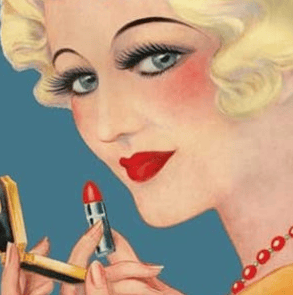
Get the Look: 1920s Makeup Routine (Step‑by‑Step)

The 1920s were the birth of modern beauty — bold, cinematic and un-apologetically glamorous. 

1. Skin Prep — The Cold Cream Base
Women began with cold cream, massaged into the skin for slip and glow. Wipe away excess, leaving a soft, dewy finish.

2. Powder — The Porcelain Canvas
Apply loose powder generously for a matte, velvety complexion. The 1920s loved a flawless, pale base.

3. Brows — Thin, Dramatic, Downturned
Shape brows into a thin, rounded, slightly downward arch. This created the iconic “melancholy glamour” of the decade.

4. Eyes — Smoky & Seductive
Use grey or black shadow on the lids, blended softly. Add kohl along the lash line and smudge for a smoky, lived‑in look.

5. Lips — The Cupid’s Bow
The 1920s lip is unmistakable:

  • Overdraw the Cupid’s bow
  • Keep the outer corners slightly rounded
  • Use deep red, plum, or blackberry

This creates the classic “bee‑stung” lip.

6. Rouge — Small, Circular Flush
Apply blush in small circles on the apples of the cheeks — not blended outward. It gives a doll‑like, youthful effect.

7. Finishing Touch — Powder Again
A final dusting of powder sets the look and softens edges.

This is the decade where beauty became art.

I’m Stacey Hobbs, thanks for reading Face by Stace! Until next time.
do you feel fabulous today?

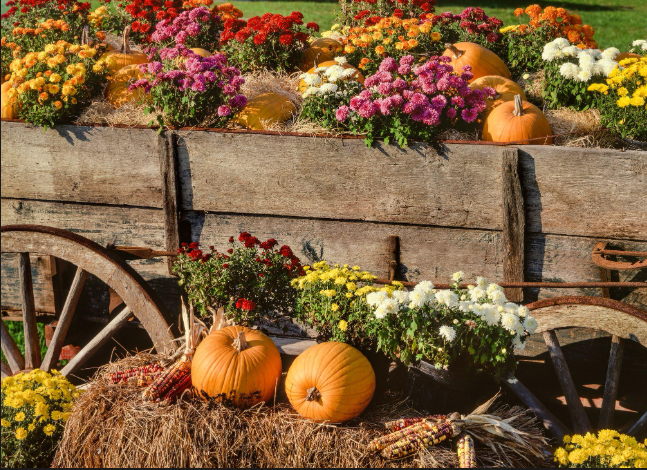
Beauty Recipes: The Pumpkin Series: Pumpkin + Honey Hydration Mask

Pumpkin is one of beauty’s most quietly powerful autumn ingredients — a symbol of harvest, nourishment, and renewal. As the season shifts, pumpkin steps forward with a kind of warmth that feels restorative, grounding and deeply traditional. It’s an ingredient that has lived in kitchens, apothecaries and homesteads for centuries, long before modern skincare labs existed. In beauty, pumpkin offers a rare combination: gentle exfoliation, deep nourishment and a glow that feels un-mistakably seasonal.

Pumpkin has a long lineage in North American and European seasonal traditions. Indigenous communities used pumpkin as a vital autumn food source, prized for its nutrient density and long storage life. Early settlers relied on it for winter nourishment, incorporating it into soups, stews, and medicinal preparations.

By the 19th century, pumpkin appeared in home beauty remedies — mashed into poultices, blended with milk or honey, and used to soften skin after exposure to cold weather. Its association with harvest festivals, hearth warmth, and domestic care gives pumpkin a sense of heritage that aligns beautifully with seasonal beauty rituals.

Pumpkin’s history is one of practicality and comfort — an ingredient that supported households through colder months and quietly found its way into early skincare traditions.

Health Benefits

Pumpkin is nutritionally dense, making it a powerful ingredient for internal wellness:

  • Vitamin A (beta‑carotene) — supports cell renewal, eye health, and immune function
  • Vitamin C — boosts collagen production and antioxidant defense
  • Vitamin E — protects against environmental stress
  • Potassium — supports hydration and electrolyte balance
  • Zinc — promotes healing and reduces inflammation
  • Fiber — supports digestion and gut health
  • Antioxidants — protect against oxidative damage

Pumpkin is essentially a seasonal superfood — warm, nourishing, and supportive during autumn’s natural slowdown.

Beauty Benefits

Pumpkin is one of the most effective natural skincare ingredients for fall because it offers:

  • Natural fruit enzymes — gentle exfoliation and resurfacing
  • Vitamin A — supports cell turnover and renewal
  • Vitamin C — brightens and evens tone
  • Zinc — calms redness and supports healing
  • Fatty acids — nourish and soften dry, seasonal skin
  • Antioxidants — protect against environmental stress
  • Humectants — help maintain hydration

In beauty, pumpkin delivers a warm, refined glow — smoothing texture, 

Pumpkin + Honey Hydration Mask

A deeply nourishing, moisture‑forward mask that restores softness, calms the skin, and delivers a warm autumn glow.

Ingredients

  • 1 tbsp pumpkin purée
  • 1 tsp honey
  • 1 tsp aloe vera gel
  • ½ tsp jojoba oil
  • 1–2 drops vitamin E oil

Instructions

  1. Combine pumpkin, honey, aloe, jojoba oil, and vitamin E until smooth and creamy.
  2. Apply a generous layer to clean skin.
  3. Leave on for 10–12 minutes.
  4. Rinse with lukewarm water.
  5. Follow with moisturizer to lock in hydration.

Hydrating pumpkin masks have roots in early American countryside beauty rituals, where pumpkin flesh was mixed with honey or oils to soften skin during colder months. Today, the same combination remains a gentle, effective way to restore moisture and glow.

Beauty Benefits

  • Pumpkin: vitamins A + C for brightness and renewal
  • Honey: deep hydration + antimicrobial support
  • Aloe: soothing + calming
  • Jojoba oil: barrier support + nourishment
  • Vitamin E: antioxidant protection

Storage Notes

  • Best used fresh.
  • Can be refrigerated for 24 hours in a sealed container.
  • Stir before use if separation occurs.

In conclusion, Pumpkin is more than an autumn symbol — it’s one of the season’s most restorative beauty ingredients. Rich in enzymes, vitamins, and antioxidants, pumpkin supports renewal, brightness, and nourishment exactly when the skin needs it most. Each ritual in this series blends heritage beauty traditions with modern skincare benefits, offering treatments that smooth, soften, and illuminate the complexion throughout October. Whether used weekly or woven into a full seasonal routine, pumpkin brings warmth, glow, and renewal to your autumn beauty ritual.

I’m Stacey Hobbs, thanks for reading Face by Stace! Until next time.
do you feel fabulous today?
How the Great Depression Changed Women’s Beauty Routines

The Great Depression re-shaped every corner of daily life and beauty was no exception. When money disappeared and luxuries became un-reachable, women didn’t stop caring about how they looked. Instead, they adapted with remarkable creativity, turning beauty into an act of resilience, dignity and emotional survival.

Beauty as Survival, Not Vanity
In the 1930s, beauty wasn’t frivolous it was stabilizing. A touch of colour, a neat hairstyle, or a polished face helped women feel anchored in a world that had become unpredictable. Even when cosmetics were scarce, the desire to look “put together” remained strong. Beauty became a small, daily ritual of hope.

1. DIY Makeup From the Kitchen
With store‑bought cosmetics suddenly out of reach, women turned to household ingredients:

  • Beet juice and berries for lip and cheek tint
  • Burnt cork or soot mixed with petroleum jelly for mascara
  • Flour or powdered rice as face powder
  • Lemon juice for natural highlights

These weren’t trends — they were necessities. Yet many of these hacks feel surprisingly modern, echoing today’s “clean beauty” and minimalist routines.

2. Petroleum Jelly: The Depression-Era Hero
Petroleum jelly became the most versatile product of the decade. Women used it as:

  • lip gloss
  • brow groomer
  • cuticle cream
  • cheek highlight
  • cold cream substitute

It was cheap, accessible, and endlessly adaptable — the original multi‑tasking beauty product.

3. Repair Culture: Nothing Was Thrown Away
The Depression created a “make it last” mindset:

  • Lipsticks were melted and reshaped.
  • Compacts were refilled instead of replaced.
  • Perfume bottles were stretched with water or alcohol.
  • Clothing was mended, patched, and re‑styled.

Beauty became intertwined with preservation and resourcefulness.

4. Minimalist Manicures
Cutex existed, but not everyone could afford polish. Women relied on:

  • chamois cloths for buffing
  • sewing scissors for cuticles
  • kitchen oils for shine

The result was a clean, natural manicure — a look that feels timeless even today.

5. Hollywood vs. Real Life
While regular women were stretching every penny, Hollywood was selling glamour. Stars like Jean Harlow and Carole Lombard embodied a fantasy of polished beauty that offered escape from economic hardship. Women admired it, but they adapted it to their reality — softer, simpler, more attainable versions of screen‑star looks.

Why This Era Still Matters
The Great Depression proved something profound: Beauty isn’t about luxury — it’s about identity, dignity and emotional resilience.

Women didn’t stop caring about themselves. They simply found new ways to express beauty with whatever they had. Their resourcefulness still echoes in today’s beauty culture:

  • multi‑use products
  • homemade skincare
  • minimalist routines
  • “no‑waste” beauty
  • natural tints and stains

The Depression didn’t erase beauty — it reinvented it.

I’m Stacey Hobbs, thanks for reading Face by Stace! Until next time.
do you feel fabulous today?