Barbara Stanwyck’s Dry‑Rouge Sculpting Technique

Barbara Stanwyck’s cheekbones were legendary — sharp and lifted. But the secret behind that sculpted look wasn’t contouring as we know it today. It was her disciplined use of dry rouge, placed high on the cheekbone and blended toward the temples to create a natural, architectural lift.

While other actresses applied rouge to the apples of the cheeks for a youthful flush, Stanwyck rejected anything that softened her face. She wanted definition. Dry rouge gave her control: it adhered cleanly to her matte skin, creating a subtle shadow rather than a pop of colour. The result was sculptural, elegant and decades ahead of its time.

This technique became essential to her screen identity. Stanwyck often played strong, self‑possessed women — characters whose faces needed structure, not sweetness. Her high‑placed rouge reinforced that strength, giving her the angular, steel‑magnolia look that directors adored.

The method also complemented her other rituals. Ice‑water plunges tightened the skin; witch hazel refined it; dry rouge carved it. Together, they created a face that photographed with clarity and intention.

Stanwyck’s sculpting technique wasn’t theatrical. It was subtle, strategic and deeply modern for her time in the 1930s. She understood her bone structure and enhanced it with precision.

Her dry‑rouge contouring didn’t just define her cheekbones — it became part of her beauty legacy, in addition to her film legacy, so over all, her legacy.

I’m Stacey Hobbs, thanks for reading Face by Stace! Until next time.
do you feel fabulous today?

What’s NEW! Dermalogica Magnetic Afterglow Cleanser

Dermalogica’s Magnetic[+] Afterglow Cleanser is a moisture‑bonding cream cleanser designed to draw hydration into the skin while delivering a soft, refreshed, post‑cleanse radiance. Powered by Cellular HydraBond Technology with positively charged Hyaluronic Acid, it helps reinforce moisture retention and support a glowing, healthy barrier. The silky, lightly foaming texture gently lifts away makeup, SPF, and impurities without stripping, making it ideal for dehydrated skin and suitable for all skin types. With its smooth slip, subtle fresh scent, and ability to cleanse thoroughly while leaving the skin cushioned and hydrated, it creates the perfect base for serums and treatments that follow.

Recommended for:
All skin types
Dehydrated skin

Price
150mL $59
295mL $104

For more information, please visit: dermalogica.ca

Have you tried the NEW Dermalogica Magnetic Afterglow Cleanser? Please, let me know, I’d love to hear from you!

I’m Stacey Hobbs, thanks for reading Face by Stace! Until next time.
do you feel fabulous today?

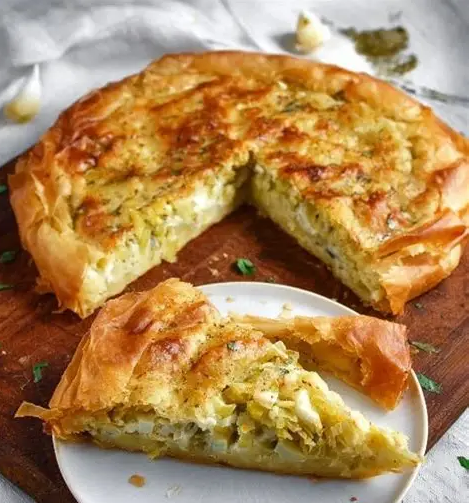
Prasopita (Greek-Inspired Leek Pie)

Entertaining• Greek Autumn Comfort

Enjoy this Prasopita, a rustic, golden Greek leek pie wrapped in crisp phyllo and filled with sweet sautéed leeks, creamy feta, and fresh herbs. It’s elegant, photogenic, and perfect for Autumn entertaining — the kind of cozy‑chic Mediterranean dish that looks stunning on any table.

Prep 20 min Cook 45 min Serves 6

Greek Leek Pie (Prasopita)/tastyhug.com

Ingredients

3 cups leeks, cleaned and thinly sliced
2 tbsp olive oil
1 onion, finely chopped
2 cloves garlic, minced
1 cup feta, crumbled
1/2 cup ricotta or Greek yogurt
2 eggs
1/4 cup fresh dill or parsley, chopped
1/2 tsp salt
1/4 tsp black pepper
8–10 sheets phyllo pastry
1/4 cup olive oil or melted butter (for brushing)

Instructions

  1. Prepare the leeks
    Sauté leeks, onion, and garlic in olive oil for 10–12 minutes until soft and sweet.
  2. Make the filling
    In a bowl, combine feta, ricotta (or yogurt), eggs, herbs, salt, and pepper. Fold in the cooked leeks.
  3. Layer the phyllo
    Brush a baking dish with olive oil. Layer 4–5 phyllo sheets, brushing each with oil.
  4. Add the filling
    Spread the leek mixture evenly over the base.
  5. Top the pie
    Layer remaining phyllo sheets on top, brushing each with oil. Tuck edges neatly.
  6. Bake
    Bake at 350°F (180°C) for 40–45 minutes until golden and crisp.
  7. Cool & serve
    Let rest 10 minutes before slicing. Serve warm or room temperature.

Beauty Benefits

  • Leeks — antioxidants + kaempferol for skin clarity
  • Olive oil — healthy fats for glow
  • Feta — calcium for skin barrier support
  • Herbs — anti‑inflammatory compounds
  • Eggs — protein for hair + nail strength

Health Benefits

  • Naturally nutrient‑dense
  • High in prebiotic fibre (inulin)
  • Balanced fats + protein
  • Mediterranean diet aligned
  • Great for digestion + gut‑skin balance

Storage

  • Refrigerate: 3–4 days
  • Reheat in oven for crispness
  • Freezing: Yes, up to 2 months (best baked, then frozen)

Substitutions

  • Feta → goat cheese
  • Ricotta → Greek yogurt
  • Phyllo → puff pastry (more rustic)
  • Add‑ins: spinach, chard, caramelized onions
  • Herbs: dill, parsley, mint

History

Prasopita is part of Greece’s long tradition of pites — savoury pies made with seasonal vegetables, herbs and phyllo. Historically, rural Greek families used leeks in Winter pies because they were abundant, inexpensive and stored well. Combined with feta and herbs, leeks created a filling that was both comforting and deeply flavourful.

This version honours the rustic roots of Prasopita while elevating it with crisp phyllo and creamy filling.

Enjoy Prasopita (Greek-Inspired Leek Pie)!

I’m Stacey Hobbs, thanks for reading Face by Stace! Until next time.
do you feel fabulous today?

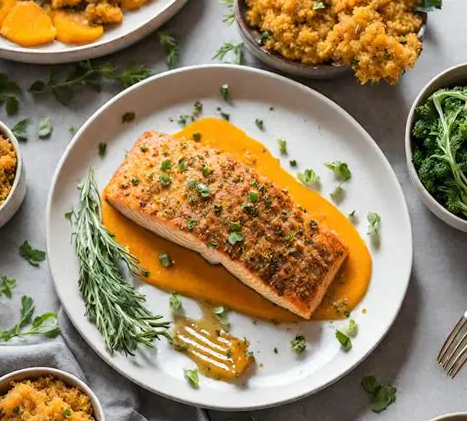
Jillian Harris Inspired: Maple‑Glazed Salmon with Butternut Squash & Sage

Luxury • West‑Coast elegance • Autumn

A glossy maple‑glazed salmon fillet served over caramelized butternut squash and finished with fragrant sage. It’s warm, coastal, feminine, and softly luxurious — exactly the kind of cozy‑elegant autumn dish Jillian Harris is known for. Golden tones, fresh herbs, and a clean West‑Coast vibe make this a stunning seasonal centrepiece.

Prep 15 min Cook 25 min Serves 4

Butternut Squash-Crusted Baked Salmon Recipe with Maple Glaze – Vestellite/www.vestellite.com

Ingredients

4 fillets salmon
3 cups butternut squash, diced
2 tbsp olive oil
1/4 cup pure maple syrup
2 tbsp butter, melted
2 cloves garlic, minced
1 tbsp fresh sage, chopped
1 tsp lemon zest
to taste salt & pepper
Optional fresh rosemary or thyme for garnish

Instructions

  1. Roast the squash
    Preheat oven to 400°F (200°C). Toss squash with olive oil, salt, and pepper. Roast 20–25 minutes until caramelized and tender.
  2. Prepare the glaze
    Whisk maple syrup, melted butter, garlic, sage, lemon zest, salt, and pepper.
  3. Glaze the salmon
    Place salmon on a parchment‑lined sheet. Brush generously with maple‑sage glaze.
  4. Bake
    Bake salmon for 12–14 minutes, brushing again halfway through for extra shine and flavour.
  5. Serve
    Plate salmon over roasted squash. Spoon remaining glaze on top and garnish with herbs.

Beauty Benefits

  • Salmon — omega‑3s for skin moisture + glow
  • Butternut squash — beta‑carotene for radiance + collagen support
  • Sage — antioxidant‑rich, supports skin clarity
  • Maple syrup — natural minerals for skin vitality
  • Olive oil — healthy fats for barrier support

Health Benefits

  • High in omega‑3 fatty acids
  • Anti‑inflammatory herbs
  • Slow carbs + fibre from squash
  • Balanced protein for sustained energy
  • Naturally sweetened glaze

Storage

  • Refrigerate: 2–3 days
  • Reheat gently at low heat to preserve texture
  • Squash reheats well; glaze may thicken slightly
  • Not ideal for freezing (salmon texture changes)

Substitutions

  • Salmon → trout or Arctic char
  • Maple syrup → honey
  • Sage → thyme or rosemary
  • Butternut squash → sweet potatoes or carrots
  • Add‑ins: toasted pecans, crispy pancetta, lemon wedges

History

Maple‑glazed salmon is deeply rooted in Pacific Northwest cooking, where wild salmon, coastal herbs, and natural sweeteners like maple syrup have long shaped regional food culture. As West‑Coast cuisine evolved, chefs and home cooks began pairing salmon with autumn produce — especially squash — to create warm, seasonal dishes that balance richness with brightness.

Butternut squash, once a humble storage vegetable, became a modern favourite for its sweetness, velvety texture, and golden colour. When roasted, it mirrors the caramelization of maple‑glazed salmon, creating a visually harmonious plate.

Sage adds an aromatic, heritage‑driven note, tying the dish to traditional fall cooking while maintaining Jillian Harris’ signature feminine, cozy‑elegant vibe.

Enjoy this Jillian Harris Inspired: Maple‑Glazed Salmon with Butternut Squash & Sage!

I’m Stacey Hobbs, thanks for reading Face by Stace! Until next time.
do you feel fabulous today?

Barbara Stanwyck’s Ice‑Water Plunge Routine

Barbara Stanwyck’s beauty routine was built on discipline, and nothing captures that better than her famous ice‑water plunge routine. While other actresses relied on elaborate creams and studio tricks, Stanwyck believed in shock‑therapy clarity: every morning, she submerged her face into a basin of ice water. It tightened the skin, reduced puffiness, and created the taut, lifted look that became her signature.

This wasn’t a casual splash — it was a full immersion. Stanwyck swore the cold “woke the skin up,” giving her complexion the crisp, matte finish that photographed flawlessly under harsh lighting. Directors loved filming her because her face held structure; the cold plunge preserved her angles, sharpened her cheekbones, and kept her features defined even in soft-focus shots.

The routine also reflected her personality. Stanwyck wasn’t a glamour girl; she was a worker. She approached beauty the way she approached acting — with consistency, grit and zero indulgence. The ice-water plunge became her anchor, a daily reset that kept her skin resilient through long shooting schedules and heavy makeup demands.

In an era of ornate beauty routines, Stanwyck’s icy discipline felt radical. It wasn’t about pampering; it was about performance. Her complexion wasn’t creamy or dewy — it was clean, taut, and modern, a look that still feels contemporary today.

Barbara Stanwyck’s ice-water ritual wasn’t just a beauty secret. It was a philosophy: clarity through discipline, elegance through simplicity.

I’m Stacey Hobbs, thanks for reading Face by Stace! Until next time.
do you feel fabulous today?
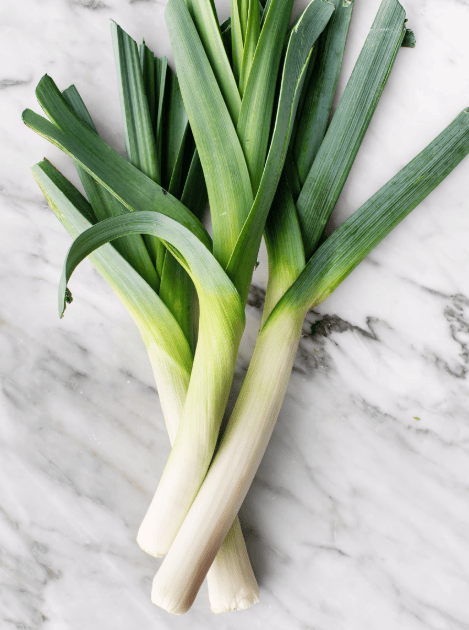
Leeks Are Surging in Popularity And Here’s Why Everyone Is Cooking With Them Now

Leeks have officially entered their moment. Once seen as a classic ingredient in French cooking, they’re now becoming a popular produce item across North America.

I have often swapped white onions for a more refined tasting leeks (if not green onions aka mini leeks, aka scallions). Leeks really do elevate a dish.

Why the sudden rise? Recent nutrition and culinary coverage shows leeks are being highlighted for:

  • their mild, sweet flavour and creamy cooked texture
  • their nutrient density (vitamin K, folate, manganese, vitamin A, vitamin C)
  • their antioxidant profile, especially kaempferol and sulfur compounds linked to heart and gut health
  • their prebiotic fibre (inulin), which supports gut microbiome health and digestion

Leeks are being reframed as a clean‑eating, nutrient‑dense, refined flavoured vegetable — not just a French classic.

This makes leeks one of the most versatile ingredients for Autumn and Winter cooking — perfect for soups, pastas, grain bowls, beauty‑nutrition recipes, and global comfort dishes.

And yes… there will be more leek recipes. Until then, enjoy the many food and beauty recipes of leeks!!

I’m Stacey Hobbs, thanks for reading Face by Stace! Until next time.
do you feel fabulous today?