Elizabeth Arden’s Original Skin-care Routine (6 Steps to Radiant, Hydrating Skin)

The Beauty Routine That Defined a Century

Long before the beauty industry became a global empire, Elizabeth Arden was teaching women something revolutionary, skin-care is a daily routine not a luxury. Her philosophy blended science, discipline and wellness decades before “self‑care” ever became a trend. Arden accomplished a lifestyle which is built on routine, refinement and results, she knew women would want to envelop this lifestyle, this routine into their daily lives. 

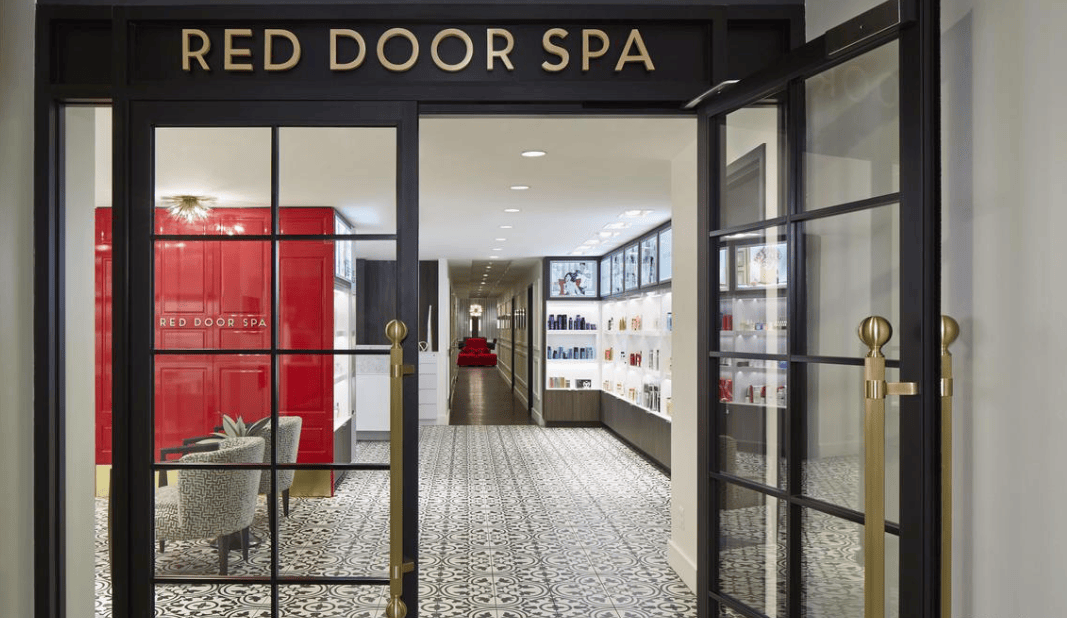
Check out the skin-care regime she taught inside her iconic Red Door salons, the routine that shaped modern beauty culture. P. S. This regime may sound a bit familiar. 

Step 1: Cleanse — “Start with a Fresh Canvas”

Arden believed cleansing was the foundation of beauty. She insisted on a gentle, thorough cleanse morning and night to remove impurities without stripping the skin. Her early cleansers were cream‑based, designed to soften the complexion and prepare it for treatment.

Her philosophy:

Clean skin is the beginning of every beautiful face.

Step 2: Tone — Restore Balance

Arden introduced toners as a way to “wake up” the skin. Her toners were mild, floral, and designed to refine pores while restoring the skin’s natural pH. This step was essential in her salons. It was a moment of refresh before nourishment.

Step 3: Massage Cream — Stimulate Circulation

One of Arden’s most iconic steps was the facial massage. She believed circulation was the secret to radiance. Her massage creams were rich, emollient and meant to be worked into the skin using upward, lifting motions.

This step was so central to her philosophy that she trained her estheticians in her signature Red Door massage techniques.

Step 4: Moisturize — “Protect the Skin You Have”

Arden’s early moisturizers were pioneering for their time. She emphasized hydration, softness and protection especially for women exposed to city air, sun and stress. Her creams often included botanical extracts and soothing oils.

Her most famous creation — Eight Hour Cream — became a global icon for its healing, hydrating power.

Step 5: Sun Protection — Decades Ahead of Her Time

Arden was one of the first beauty entrepreneurs to warn women about sun damage. In the 1930s and 40s, she introduced protective creams meant to shield the skin from harsh outdoor elements — a precursor to modern SPF.

Step 6: Diet, Exercise and Wellness

Arden believed beauty was holistic. Inside her salons, she offered:

  • exercise classes
  • stretching routines
  • diet plans
  • rest and relaxation rooms

“It is the combination of health and beauty that creates the modern woman.”
– Elizabeth Arden

This made her one of the earliest voices in wellness culture.

Why Her Routine Still Matters

Elizabeth Arden’s skin-care philosophy shaped the modern beauty industry. Her routine — cleanse, tone, massage, moisturize, protect — is still the backbone of countless skin-care routines to this very day. She taught women that beauty is beyond vanity; it is discipline, self‑respect and daily care.

I’m Stacey Hobbs, thanks for reading. Until next time!
do you feel fabulous today?
When Givenchy Met Audrey Hepburn: The Partnership That Changed Fashion

Some partnerships in fashion develop into something meaningful, when a designer meets a woman who becomes more than a client. In this instance, she becomes a muse, a mirror and the embodiment of an aesthetic. For Hubert de Givenchy, that woman was Audrey Hepburn.

Their story begins not with glamour but with a misunderstanding.

ar.inspirerdpencil.com

A Meeting That Was Never Supposed to Happen

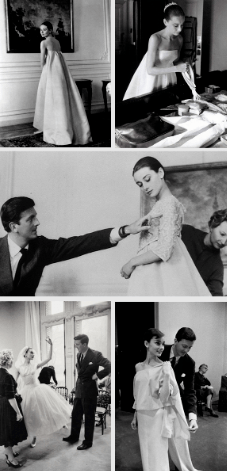
In 1953, Audrey Hepburn arrived at Givenchy’s atelier while preparing for her second film Sabrina. She asked to see “Monsieur Givenchy,” and the young designer assumed she meant Katharine Hepburn, you know the established star. Instead, a slender, wide‑eyed newcomer had walked through Givenchy’s fashion house, wearing cigarette pants, ballet flats and an air of what is now referred to as today, quiet confidence. Otherwise, in the 1950s, it was considered as confidence.

Givenchy didn’t have time for a new client. Whereas, Audrey didn’t have time for hesitation and she wasn’t going to take no for an answer. 

She tried on pieces from his current collection, which consisted of crisp white shirts, sculpted gowns, elegant black dresses, and something electric happened. Givenchy’s clothes didn’t just fit her; they transformed her. Hepburn soon became the expression of his aesthetic. 

By the end of the fitting, the partnership was sealed.

The Birth of the Hepburn Silhouette

Audrey wore clothes in a different manner than her fellow actresses. She inhabited them. Givenchy understood her instinctively, her ease, her modernity, her refusal to be glamorous in the traditional Hollywood sense. 

Together, they created something magical, timeless and classic that still has everyone talking decades later. This new visual language of clean lines, architectural simplicity, narrow trousers,bateau necklines and little black dresses that felt like sculpture.

This was simple and yet elegant, a silhouette that felt fresh, youthful and un-mistakably modern.

Sabrina, Funny Face, and the Making of an Icon

The gowns Audrey wore in Sabrina were the world’s introduction to the Givenchy–Hepburn aesthetic. But it was Funny Face(1957) that made their partnership official. After Givenchy was denied credit for Sabrina, Audrey insisted he be named in the film — a gesture of loyalty that defined their relationship.

Then came Breakfast at Tiffany’s (1961), and with it, the most famous little black dress in cinema history. A dress so simple, so pure, so perfectly cut that it became a symbol of timeless elegance.

A Friendship Beyond Fashion

Their bond extended far beyond fittings and film sets.

  • Givenchy created L’Interdit for Audrey, a fragrance meant for her alone.
  • She added clauses to her contracts ensuring he designed her wardrobe.
  • He remained by her side through her marriages, motherhood and humanitarian work.
  • In her final days, he arranged the private jet that brought her home to Switzerland.

It was a friendship built on trust, affection and a shared belief in the beauty of simplicity.

The Givenchy–Hepburn collaboration re-shaped the relationship between designer and muse. It proved that fashion could be:

  • character‑defining
  • cinematic
  • emotionally resonant
  • and deeply personal

Their partnership has become, and still influences on modern designers, stylists and filmmakers. 

The Givenchy–Hepburn Partnership

1953 — The First Meeting
Audrey visits Givenchy’s atelier for Sabrina. He expects Katharine Hepburn. Instead, he meets the woman who will define his career.

1954 — The Oscar Dress
Audrey wins Best Actress for Roman Holiday wearing a white floral Givenchy gown — one of the most elegant Oscar looks of all time.

1957 — Funny Face
Audrey insists Givenchy receive full credit for the film’s wardrobe, cementing their professional alliance.

1957 — L’Interdit
Givenchy creates a fragrance exclusively for Audrey. It becomes her signature scent — and later, a global bestseller.

1961 — Breakfast at Tiffany’s
The black sheath dress becomes the most iconic LBD in cinema history. Audrey becomes the face of Givenchy’s aesthetic.

1960s–1980s — A Lifelong Collaboration
Givenchy designs her film wardrobes, red‑carpet gowns, and personal clothing. Their friendship deepens into family‑level loyalty.

1993 — The Final Gesture
When Audrey becomes ill, Givenchy arranges the private jet that brings her home to Switzerland. He remains by her side until the end.

I’m Stacey Hobbs, thanks for reading. Until next time!
do you feel fabulous today?

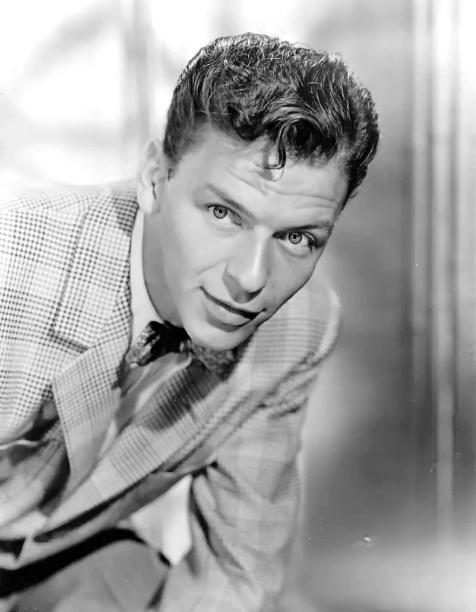
Frank Sinatra Phenomenon of the 1940s: The First Modern Pop Idol

Before there were Beatlemania, Elvis Presly, there was Frank Sinatra, good old Blue Eyes.

The Frank Sinatra Phenomenon of the 1940s refers to the explosive, un-precedented cultural moment when Sinatra became the first modern pop idol, which is a level of youth‑driven celebrity America had never seen before. It wasn’t just about popularity; it was mass hysteria, teenage identity formation, and a new kind of fandom that shaped the rest of the 20th century.

What Was the Frank Sinatra Phenomenon?

The phenomenon began in the early 1940s when Sinatra emerged as a solo performer during wartime America. His smooth vocal style, emotional delivery and innovative microphone technique made him stand out from big‑band singers of the era. His 1943 re‑release of “All or Nothing at All” sold over a million copies and cemented his star power.

This success launched a cultural frenzy, especially among teenage girls, that the press had never seen before.

The Rise of the “Bobby‑Soxers”

Sinatra’s young female fans, which were known as bobby‑soxers in 1940s, became a defining symbol of 1940s youth culture. They wore loose clothing, saddle shoes and ankle socks, and were known for their intense devotion to Sinatra. Their enthusiasm included screaming, swooning, and fainting at concerts, such behaviours that shocked older generations and drew massive media attention.

By the late 1940s, “bobby‑soxer” became synonymous with teenage girls obsessed with Sinatra and the new youth fads of the era.

4 Cultural Turning Points

1. The Birth of the Modern Teenager

Before the 1940s, teenage girls were not a recognized consumer group. Sinatra’s fandom helped create the idea of the teen girl as a cultural force, by influencing fashion, music and marketing. Businesses began targeting them directly, recognizing their buying power.

2. The First Pop‑Culture Fan Frenzy

Bobby‑soxers formed fan clubs, wrote newsletters and attended dozens of concerts — sometimes causing crowd chaos that required police intervention. One girl famously attended fifty-six shows in eight days!

This was the earliest example of organized, large‑scale celebrity fandom, and this would be a precursor to Elvis Presley mania and Beatlemania, and modern culture.

3. Wartime Escapism

Entertainment was essential throughout the duration of WWII. Sinatra’s smooth and emotional singing style offered comfort, and escape during a time of rationing, un-certainty and loss.

4. A New Kind of Male Performer

Sinatra’s microphone technique and breath control allowed for a softer, more intimate vocal style that influenced an entire generation of singers.

Social Meaning of the Phenomenon

The Sinatra craze delivered more than just influenced, it delivered:

Teenage autonomy. 
Girls spending time outside the home in theatres and dance halls.

Female desire becoming visible. 
Their emotional displays challenged norms around how young women “should” behave.

A shift in American culture.
Youth became a powerful cultural and economic force.

Fan communities even discussed politics, civil rights and patriotism, showing that these girls were far more complex than the media’s “hysterical teen” stereotype.

The Frank Sinatra Phenomenon of the 1940s was the birth of modern fandom, modern teen culture and the first true pop‑idol hysteria, which was driven by bobby‑soxers whose passion re-shaped American entertainment.

I’m Stacey Hobbs, thanks for reading. Until next time!
do you feel fabulous today?
The 9 Innovations of Chanel: How Coco Changed Fashion (and Beauty) Forever

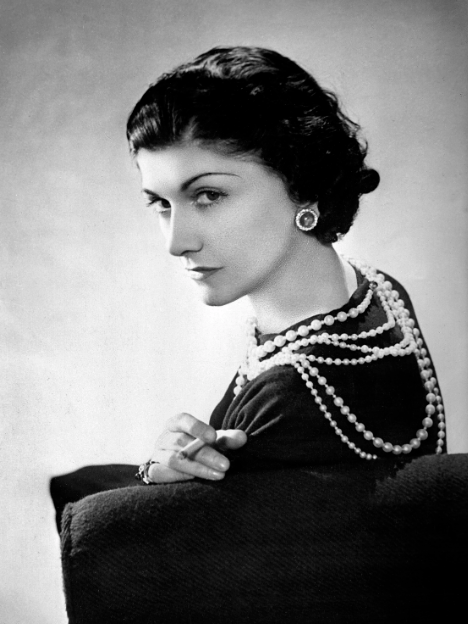
Gabrielle “Coco” Chanel saw how fashion, beauty and luxury had been during the Victorian era. She designed and re-designed hats as a seamstress in a shop before venturing out to develop the House of Chanel. Not only did Chanel design clothes — she re-designed the way women lived in their bodies. Her innovations weren’t trends; they were structural shifts that re-shaped modern fashion, beauty, and luxury into timeless classics. What she introduced between the 1910s and 1950s still defines how we dress today.

Check out the core innovations that made Chanel a revolution, as opposed to her only being a brand.

1. Jersey for Womenswear

Before Chanel, jersey was men’s underwear fabric — cheap, stretchy, and never considered “fashion.” Chanel turned it into chic daywear, proving that comfort could be elegant. This single decision changed the entire trajectory of modern dressing.

2. The Little Black Dress (LBD)

In 1926, Chanel introduced a simple black dress in Vogue — a radical idea when black was reserved for mourning. She transformed it into the universal symbol of chic minimalism. Every LBD today traces back to Chanel.

3. The Chanel Suit

Her collarless tweed jacket and straight skirt liberated women from stiff tailoring and corsetry. Key innovations included soft, un-structured construction, braid trim instead of heavy lapels, chain‑weighted hems for perfect drape and matching linings and blouses.

It was elegance made for movement.

4. Costume Jewelry as High Fashion

Chanel mixed real and faux jewelry, with pearls, glass beads, gilt chains, making costume jewelry not only acceptable but desirable. She democratized glamour and re-wrote the rules of accessorizing.

5. Chanel No. 5 (1921)

The first truly modern perfume to abstract, not floral; aldehydic, not naturalistic; and minimalist bottle, not ornate crystal.

Chanel No. 5 was practically the fragrance equivalent of modern art and the first perfume to become a global luxury icon.

6. The 2.55 Shoulder Bag (1955)

Chanel gave women their hands back. Her quilted leather bag with a chain strap was a functional revolution in a world of handheld clutches. The 2.55 Shoulder Bag innovations included:

  • adjustable chain strap
  • burgundy lining
  • hidden “love letter” pocket
  • Mademoiselle turn‑lock

A handbag designed for every modern shoulder bag.

7. Breton Stripes & Menswear Borrowing

Chanel absorbed elements of menswear — sailor tops, tweed jackets, cardigans — and reimagined them for women. She blurred gender lines decades before it became mainstream.

8. Sun‑Kissed Skin as Chic

In the 1920s, pale skin signaled class. Chanel returned from the Riviera with a tan, and suddenly bronzed skin became fashionable. She changed beauty standards with a single holiday.

9. The Concept of the “Chanel Woman”

Perhaps her greatest innovation was branding. She created a lifestyle that is clean, modern, effortless, that extended from fashion to fragrance to accessories. Chanel wasn’t just a label; it was an identity.

Chanel’s genius was simplification. She stripped fashion down to its essentials and rebuilt it around freedom, comfort and modernity. Her innovations endure because they weren’t tied to a decade trend; they were tied to how women wanted to live.

Chanel didn’t follow fashion. She changed the rules entirely.

Chanel once said, 
“Fashion fades, style remains.”

The “Spit Curl” 1930s Trend

The delicate little curl that defined 1930s femininity.

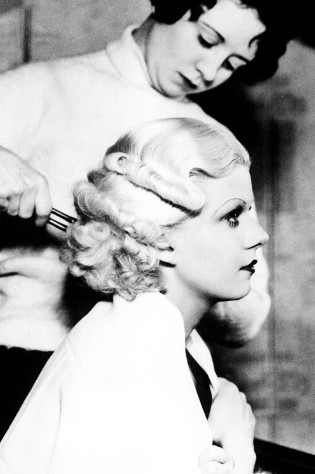
The “spit curl” was one of the most charming — and surprisingly practical — beauty trends of the 1930s. Born from Hollywood glamour and Depression‑era, it became a signature detail for women who wanted a touch of softness around the face without expensive salon styling.

What Exactly Was a Spit Curl?

“Spit Curl”/Pinterest

A spit curl was a tiny, sculpted curl pressed flat against the forehead or temple. It framed the face with a romantic, almost doll‑like softness. The name came from the method; women literally used a dab of spit, water, or pomade to slick the curl into place.

It was the 1930s version of a “baby hair swoop.”

Why Women Loved It

The spit curl was popular because it was:

  • Cheap — no tools required
  • Fast — done in seconds
  • Flattering — softened sharp bobs and finger waves
  • Hollywood‑inspired — seen on stars like Josephine Baker, Jean Harlow, and Clara Bow.

It added instant glamour to even the simplest hairstyle.

How Women Created the Look

The “Spit Curl” hairstyle technique was simple:

  1. Pull a small strand of hair forward.
  2. Wet it with spit, water or a bit of pomade.
  3. Coil it around a finger into a tiny spiral.
  4. Press it flat against the skin.
  5. Hold until it sets or secure with a bobby pin until dry.

Some women used sugar water or soap for extra hold.

The Cultural Meaning Behind the Curl

The spit curl was a symbol of the 1930s era:

  • Hollywood escapism during the Depression.
  • Youthful femininity.
  • Resourcefulness when money was tight.
  • A soft contrast to the sharp, structured finger waves of the decade.

It was a tiny detail that carried big cultural weight.

Why It Still Feels Iconic Today

Modern beauty trends, such as baby hairs, gelled swoops, face‑framing curls, all resemble the spit curl’s legacy. It’s a reminder that even the smallest beauty rituals can define an era.

I’m Stacey Hobbs, thanks for reading. Until next time!
do you feel fabulous today?

25 Beauty Secrets Women in the 1930s Actually Used

Depression‑era ingenuity meets Hollywood glamour.

The 1930s were a decade of contrast, from economic hardship on one side, and the compelling escapism of Hollywood on the other. Women blended practicality with glamour, creating beauty rituals that were resourceful, clever and what would become surprisingly modern. Check out the beauty secrets women relied on that shaped the iconic look of the era.

1. Cold Cream for Everything

Cold cream was the universal beauty staple. Women used it to cleanse, moisturize, remove makeup, soften cuticles and even tame brows. It was affordable, accessible and endlessly versatile. Pond’s Cold Cream was the go-to brand of the decade.

2. Powder‑Only Complexions

Liquid foundation wasn’t widely used yet. Women relied on loose or cake powderto create the velvety, matte, porcelain complexion that defined the decade.

3. Homemade Brow Darkening

The thin, dramatic 1930s brow required creativity. Women used:

  • burnt matchsticks
  • cocoa powder
  • soot mixed with petroleum jelly

The goal was a long, arched, pencil‑thin brow inspired by Marlene Dietrich and Greta Garbo.

Read the full post on Burnt Cork: Burnt Cork: The Popular Wartime Make-up Hack (for Brows and Mascara) – It’s Life with Stacey Hobbs

4. The “Spit Curl” Trend

“Spit Curl”/Pinterest

Tiny curls pressed onto the forehead using water, pomade or even literal salvia. It was a Hollywood‑inspired detail that added softness to the face.

Read more on the Spit Curl trend: The “Spit Curl” 1930s Trend – It’s Life with Stacey Hobbs

5. Vaseline for Glossy Eyelids

A dab of petroleum jelly created the soft, luminous sheen seen in studio portraits. It was the 1930s version of “glossy eye make-up.”

6. Soap‑Set Brows

Before brow gels existed, women used a damp bar of soap to sculpt their brows into the ultra‑thin shapes of the era.

Read more: The Soap‑and‑Matchstick Brow Trick – It’s Life with Stacey Hobbs

7. Lemon Juice for Brightening

Lemon juice was used to fade freckles, lighten discoloration, and brighten the complexion — a DIY brightening treatment long before vitamin C serums.

8. Beet Juice & Berry Stains as Rouge

Women created their own cheek and lip tints using beet juice, crushed berries or tinted petroleum jelly. Rouge was essential for a healthy, youthful look.

9. Finger Waves Set with Sugar Water

Sugar water acted as a homemade setting lotion, helping sculpt the iconic S‑shaped finger waves that defined 1930s hair.

10. Cold Water Rinses for Shine

A final rinse with cold water helped seal the hair cuticle, adding shine and helping waves hold their shape.

11. Olive Oil for Split Ends

A few drops massaged into the ends softened dry, brittle hair, especially important during the Depression when salon visits were seldom.

12. Milk Baths for Soft Skin

Inspired by Hollywood starlets, milk baths were believed to soften and brighten the skin.

13. Nail Buffing Instead of Polish

Shiny, bare nails were fashionable and economical. Women used buffing pads to create a natural sheen.

14. Oatmeal & Honey Face Masks

Homemade masks using oatmeal, honey, bananas or egg whites were popular for tightening and brightening the skin.

15. Talcum Powder as Dry Shampoo

A dusting of talc absorbed oil between washes, acting as the original dry shampoo.

16. Rosewater as Toner

Rosewater refreshed the skin, tightened pores and added a delicate scent.

17. Sleeping with Hair Nets

To preserve finger waves and curls overnight, women slept with nets or scarves.

18. Petroleum Jelly as Highlighter

Tapped onto cheekbones for a soft, dewy glow, decades before highlighter ever came into existence. 

19. Homemade Perfume Sachets

Dried flowers and herbs tucked into lingerie drawers kept clothing lightly scented.

20. Brushing Hair 100 Strokes

Believed to distribute natural oils and create shine, this is a ritual that was passed down from mothers to daughters.

21. Egg‑White “Face Lift” Masks

Applied before special events to tighten the skin and create a temporary lifting effect.

22. Cold Spoon De-puffing

Women chilled spoons and pressed them under their eyes to reduce morning puffiness.

23. Lipstick as Blush

A practical Depression‑era trick; one product with two uses.

24. Vinegar Hair Rinses

Used to remove buildup and add shine, especially after using homemade setting lotions.

25. Olive Oil or Cold Cream for Cuticles

Massaged nightly to soften and protect nails.

I’m Stacey Hobbs, thanks for reading. Until next time!
do you feel fabulous today?