Ginger Rogers’ Ostrich‑Feather Dress that Floated in “Cheek to Cheek” (and Fred Astaire’s reaction)

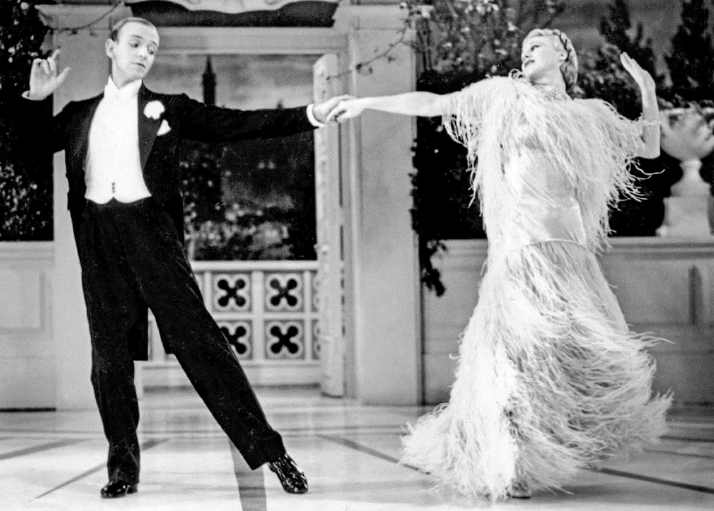
Few costumes in film history are as controversial as the pale blue ostrich‑feather gown Ginger Rogers wore in Top Hat (1935) for the “Cheek to Cheek” number. Designed by Bernard Newman, the dress became a symbol of 1930s glamour.

It is, quite simply, one of the most iconic dance gowns ever created.

A Dress Made to Float

Ginger wanted a gown that would move like a cloud. A gown that was soft, romantic and ethereal. She personally requested ostrich feathers, believing they would create a dreamy halo around her body as she danced.

The final gown featured hundreds of hand‑sewn ostrich feathers; a fitted, bias‑cut silhouette; a pale, icy blue hue that shimmered under studio lights; and a skirt engineered to ripple with every step.

On camera, it looked like she was gliding through air.

The Infamous Feather Fallout

What audiences didn’t see was the chaos behind the scenes.

During rehearsals, the feathers shed everywhere, sticking to Astaire’s tuxedo, floating across the set, and disrupting takes. Fred Astaire, famously meticulous, a perfectionist was furious. He called it:

“a god‑damned feathered monstrosity.”

But Ginger refused to give it up. She believed in the dress, as it turns out, she was right.

The costume team reinforced the gown overnight, stitching each feather more securely. By the time cameras rolled, the shedding was under control… for the most part. 

The Magic on Screen

Despite the chaos, the final result is breathtaking. As Ginger and Fred glide across the floor, the feathers create a soft, floating movement, this became a visual of Irving Berlin’s romantic melody.

The gown enhances Ginger’s sweeping turns. the fluidity of her arms and the illusion that she’s weightless

It’s fashion as choreography.

A Dress That Changed Costume Design

The ostrich‑feather gown influenced Hollywood costume design for years:

  • feathers became synonymous with cinematic glamour
  • designers began engineering gowns specifically for movement
  • the idea of “motion fashion” — clothes designed to perform — took hold

Ginger’s insistence on beauty in motionhelped redefine how dance costumes were conceived.

Why the Ostrich Dress Endures

Nearly ninety years later, the gown remains iconic because it represents:

  • the height of 1930s glamour.
  • the tension and brilliance of the Astaire–Rogers partnership.
  • the power of costume to elevate a performance.
  • the magic that happens when fashion and movement become one.

It is the dress that turned a dance number into legend.

I’m Stacey Hobbs, thanks for reading. Until next time!
do you feel fabulous today?
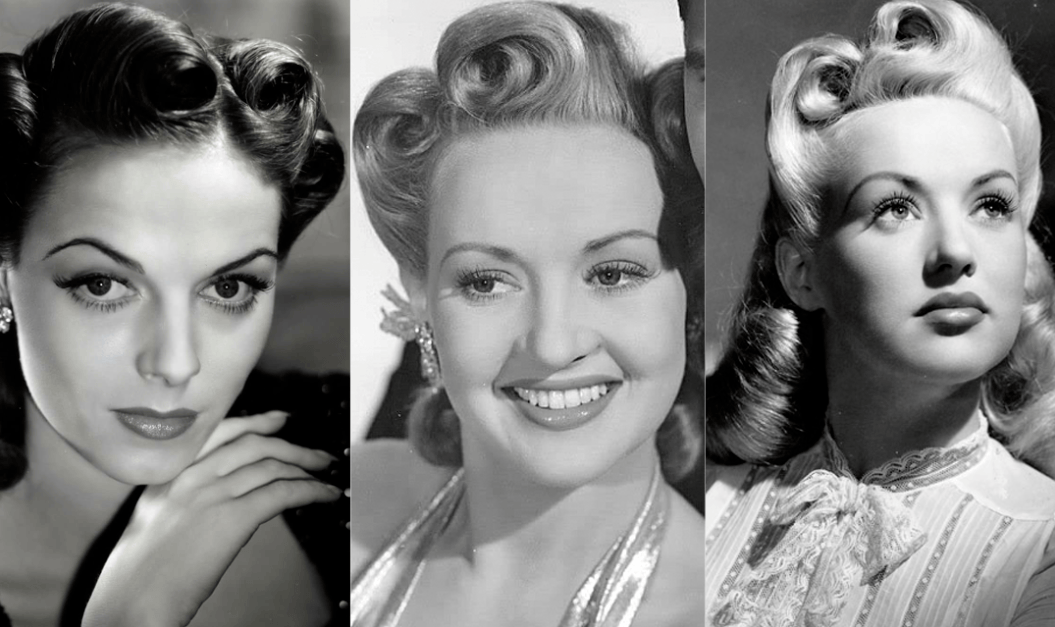
How to Re‑Create 1940s Victory Rolls (Step‑by‑Step)

The iconic wartime hairstyle.

Victory Rolls were a symbol of strength, femininity and wartime resilience. Today, Victory Rolls has become one of the most recognizable looks of the 1940s. Re-creating this popular hairstyle is actually easier than what most people think. With a few tools and the right technique, this classic hairstyle that defined the era, can be achieved.

What You’ll Need

  • A curling iron or hot rollers
  • Strong‑hold hairspray
  • Bobby pins
  • A teasing comb
  • A smoothing brush
  • Setting clips (optional)
  • A little patience — the 1940s were all about precision (don’t be discouraged if the Victory Rolls hairstyle doesn’t turn out the first time around, sometimes it takes practice). 

Step 1: Create the Foundation Curl

Start by curling the front sections of your hair away from your face. This gives the roll its shape and makes the hair easier to mold.

  • Use a 1–1.25 inch curling iron.
  • Curl from root to tip.
  • Pin each curl to cool for extra hold.

This step mimics the heat‑set curls women created with pin curls in the 1940s.

Step 2: Section the Hair for Your Rolls

There are three types of rolls for this hairstyle, which are:

  • Double Victory Rolls (one on each side — the classic look).
  • A Single Side Roll (glamorous and asymmetrical).
  • A Crown Roll (rolled across the top of the head).

Part your hair accordingly and clip away the sections you aren’t working on.

Step 3: Tease the Base for Volume

Victory Rolls need structure. Therefore, lightly backcomb the base of each section to give the roll height and stability.

  • Tease only the roots.
  • Smooth the top layer so it stays polished.

This creates that signature 1940s lift.

Step 4: Roll the Hair Into Shape

This is the heart of the style.

  1. Hold the curled section straight up.
  2. Wrap the ends around two fingers (or a small roller).
  3. Roll downward toward the scalp, keeping the shape open and cylindrical.
  4. Position the roll where you want it — high and proud for a classic look.
  5. Pin discreetly inside the roll using bobby pins.

The roll should look like a smooth, sculpted loop.

Step 5: Secure and Perfect the Shape

Use bobby pins to anchor the roll from the inside so they stay hidden. Then:

  • smooth flyaways
  • adjust the height
  • refine the curve
  • spray generously with hairspray

Victory Rolls were meant to be structured, as opposed to soft.

Step 6: Style the Rest of the Hair

You can finish the look in several authentic 1940s ways:

  • Soft waves brushed from pin curls
  • A pageboy curl at the ends
  • A tidy bun or chignon
  • Loose curls for a Hollywood finish

Women in the 1940s often paired Victory Rolls with practical, pinned‑up styles during wartime factory work.

Why Victory Rolls Still Matter

Victory Rolls remain iconic because they represent strength, femininity, patriotism, glamour in hard times and the creativity of women during WWII

Victory Rolls are a piece of history you can wear.

I’m Stacey Hobbs, thanks for reading. Until next time!
do you feel fabulous today?
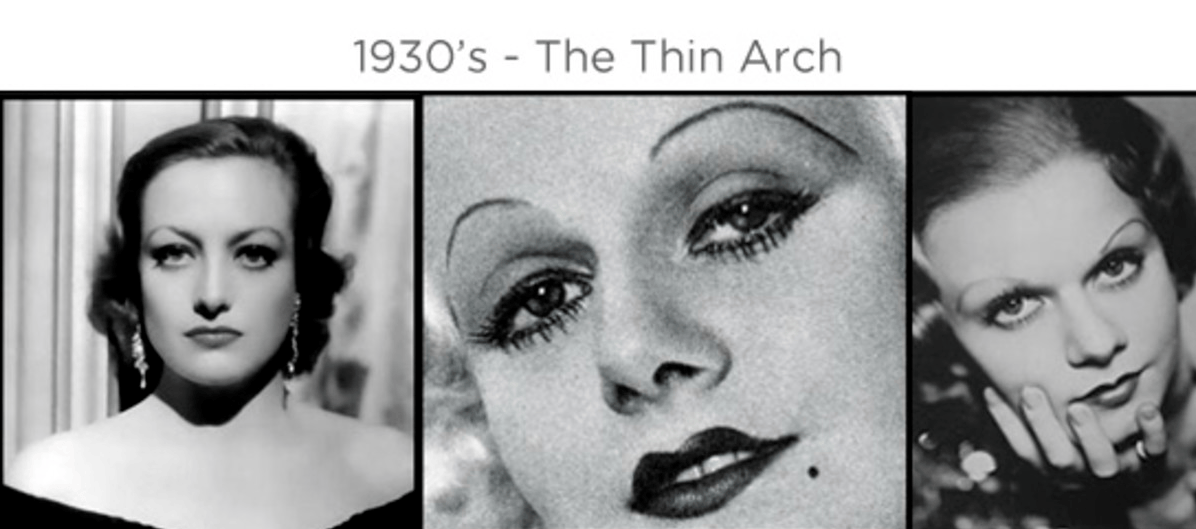
The Thin Brow: Popular 1930s Brow

The dramatic, high‑arched line that defined 1930s beauty.

If the 1920s introduced the thin brow, the 1930s perfected it. This was the decade when eyebrows became what some may refer to as art, with the brows sculpted, elongated and re-drawn onto the brow into a single, expressive line, after women had shaved their brows. It was one of the most defining beauty signatures of the era, shaped by Hollywood glamour and Depression‑era resourcefulness. Oh, how these ladies were resourceful. They had to be in both the 1930s and the 1940s. Women got creative!

Why Thin Brows Became the Look of the Decade

The 1930s were all about drama and expression, especially on the face. Early film cameras struggled to capture subtle features, so make-up artists exaggerated the brows to create emotion on screen.

Women followed suit because thin brows:

  • Photographed beautifully in black‑and‑white.
  • Softened the face and created a dreamy, romantic look.
  • Mimicked Hollywood icons like Greta Garbo, Jean Harlow, and Marlene Dietrich.
  • Required no expensive products, only tweezers and a steady hand.

It was glamour that was achievable for any woman at home. 

The Shape: Long, Arched & Deliberately Dramatic

The ideal 1930s brow was:

  • extremely thin: sometimes a single pencil line
  • highly arched: lifting the entire expression
  • elongated — extending past the natural brow tail
  • rounded or slightly drooping for a melancholic, cinematic effect

Women looked surprised, with where the brows were placed and arched. 

Some women even shaved their brows off entirely and redrew them with a brow pencil for perfect symmetry.

Jean Harlow, 1930s

How Women Achieved the Look

The process was meticulous:

  1. Pluck or shave the natural brow into a thin line.
  2. Redraw the ideal shape with a brow pencil, typically in black or dark brown.
  3. Blend with a fingertip or a dab of petroleum jelly for softness.
  4. Highlight the brow bone with powder to lift the arch.

This was a ritual that required precision, intentional and deeply influenced by Hollywood. Today, make-up artists rely on a make-up technique called brow blocking. 

The Hollywood Influence

Studio make-up artists shaped the decade’s brow trends. Actresses like:

  • Greta Garbo with her soft, rounded arches.
  • Jean Harlow with her bleached, pencil‑thin brows.
  • Marlene Dietrich with her dramatic, sculpted lines.

This make-up style, the thin brows set the standard for beauty. Their brows conveyed emotion, longing, mystery, vulnerability and women everywhere copied them.

The Cultural Meaning Behind the Thin Brow

The thin brow wasn’t just a style; it reflected the mood of the era:

  • An escape during the Great Depression.
  • A desire for glamour in hard times.
  • A fascination with Hollywood.
  • A shift toward controlled, sculpted beauty.

The thin brows was elegance through restraint.

The Legacy of the 1930s Brow

The thin brow, which began in the 1920s, enveloped into the 1930s, has resurfaced many times, in the 1970s, the 1990s, and again today in editorial fashion. It remains one of the most iconic, recognizable beauty signatures of the 20th century.

The 1930s proved that a brow is an expression, identity and artistry.

I’m Stacey Hobbs, thanks for reading. Until next time!
do you feel fabulous today?

15 Wartime Beauty Hacks Women Actually Used

Resourcefulness, rationing, and the creativity that kept women glamorous through WWII.

When the 1940s rolled around, it was a decade of sacrifice, it was however, also a decade of ingenuity. With rationing, shortages and factories re-directed to the war effort, women had to reinvent their beauty routines using whatever they could find at home. These weren’t just “tips,” they were survival strategies for staying polished in a world turned upside down.

Below are the real beauty hacks/tips women relied on during World War II.

1. Beet Juice as Lip and Cheek Tint

With cosmetics being scarce, women became creative and clever having had turned to the kitchen. A dab of beet juice created a natural, long‑lasting stain that mimicked the era’s iconic red lip (before Victory Red shade of lipstick was released) and rosy cheek.

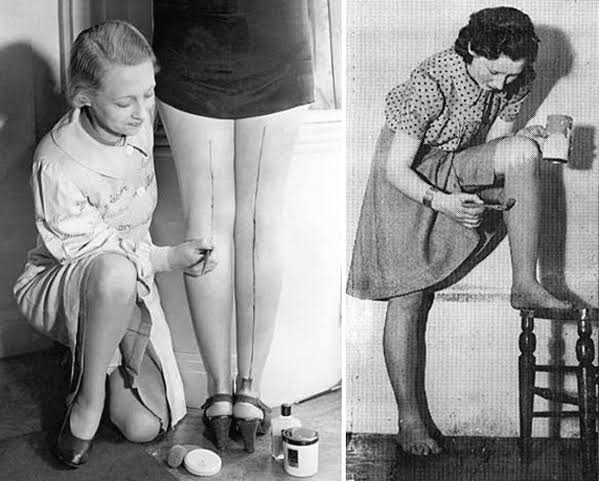
2. Pencil‑Drawn Stockings

Nylon was rationed for parachutes, so women improvised:

  • drawing a “seam” up the back of the leg.
  • shading the legs with gravy browning, tea or tinted lotion.

It gave the illusion of stockings when there weren’t any available.

3. Petroleum Jelly as Mascara and Brow Gel

Mascara was hard to obtain, so women used Vaseline to darken lashes, add shine and groom brows.

It was the 1940s version of a multi‑use beauty balm.

4. Soap as Setting Gel

Before modern gels, women used a damp bar of soap to slick down brows, shape Victory Rolls, and tame flyaways.

Soap offered strong hold and soap was always available.

5. Sugar‑Water Setting Lotion

Salon products were scarce, so women mixed sugar with warm water. 

This homemade setting lotion helped sculpt curls, pin curls, and Victory Rolls that lasted all day.

6. Lemon Juice for Highlights

A natural brightener, lemon juice was used to lighten hair in the sun — a DIY alternative to salon color.

7. Cold Cream for Everything

Cold cream was a wartime essential because it replaced:

  • cleanser
  • moisturizer
  • makeup remover
  • hand cream
  • cuticle softener

Got to love Pond’s Cold Cream! It’s a miracle cream in a jar. After all, one jar did the work of five products.

8. Burnt Cork or Soot for Eyeliner

When eyeliner ran out, women used burnt matchsticks and soot mixed with petroleum jelly.

It created a soft, smoky line reminiscent of Hollywood glamour.

9. Homemade Perfume Sachets

With perfume expensive and scarce, women scented their clothing with dried lavender, rose petals and herbs tucked into drawers.

It kept garments smelling fresh without wasting precious fragrance.

10. Hair Nets to Preserve Styles

Women slept in hair nets to protect Victory Rolls, pin curls and pageboy sets.

This saved time, effort and precious setting lotion.

11. Red Lipstick as a Symbol of Morale

Even when makeup was rationed, women prioritized red lipstick. It was seen as patriotic, morale‑boosting and a symbol of resilience.

Some women even tinted their lips with food colouring when lipstick ran out.

12. Olive Oil for Hands and Nails

With hand cream scarce, women used olive oil to soften dry hands, cuticles and elbows.

It was inexpensive, accessible and effective.

13. Baking Soda as Tooth Powder

Toothpaste shortages led women to brush with baking soda, which is a simple, effective alternative.

14. Homemade Dry Shampoo

Women used talcum powder or cornstarch to absorb oil between washes, also known as the original dry shampoo.

15. Sewing Their Own Hair Accessories

With rationing limiting purchases, women made bows, headbands, turbans and snoods. 

These accessories kept hair tidy during factory work and added a touch of style.

Wartime beauty wasn’t vanity, it was morale. Governments encouraged women to “keep up appearances” in both the United States and Canada, as a patriotic duty. These hacks allowed women to stay polished, confident and resilient despite shortages and sacrifice.

Beauty became a quiet act of defiance, a way to hold onto normalcy in extraordinary times.

I’m Stacey Hobbs, thanks for reading. Until next time!
do you feel fabulous today?
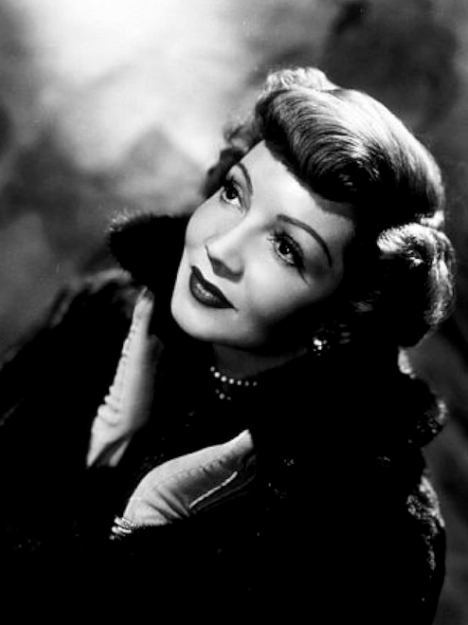
Claudette Colbert’s Lighting Trick to Enhance Her Beauty

Not a product but a technique.

Colbert insisted on being filmed from her left side only, believing it was more flattering. She even had lighting instructions written into her contracts. 

In an era when studio lighting could make or break an actor, Claudette Colbert had learned and later mastered something few actresses dared to demand, which was complete control over how she was lit. Her now‑legendary “one‑side lighting” rule wasn’t vanity as many people suspect, it was strategy. And it became one of the most influential beauty techniques of the 1930s.

Colbert understood her face the way a sculptor understands marble. She knew her angles, her symmetry and the exact lighting that made her look luminous on camera. And she protected that knowledge fiercely.

imdb

The Rule That Made Her Iconic

Colbert insisted on being filmed and photographed from her left side only. The side she believed was more refined, more balanced and more expressive. She was so committed to this technique that she had the requirement written directly into her contracts.

But the real magic wasn’t the angle. It was all about how the lighting was placed on Colbert during filming of her films. 

Colbert preferred a soft, controlled key light placed to flatter her cheekbone, lift her jawline and to smooth the delicate planes of her face. The result was a signature glow, a crisp, elegant, which was un-mistakably hers.

Why This Trick Worked (and Still Does)

Colbert’s technique was rooted in classic portrait principles:

  • Directional light sculpts the face.
  • Shadow placement defines bone structure.
  • Controlled highlights create lift.
  • Consistency ensures the star always looks like the star.

She wasn’t just choosing a “good side.” She was choosing the right light and using it as a beauty tool, as well.

This is why her close‑ups remain some of the most flattering in 1930s cinema.

A Technique Hair & Make‑Up Pros Still Use Today

Colbert’s trick is essentially the foundation of modern beauty lighting.

Her approach predicted:

  • the glamour key light.
  • the soft‑box beauty setup.
  • the one‑direction fill.
  • the “hero side” concept used in editorial shoots.
  • the controlled shadow mapping used in contouring.

Make‑up artists know: light is the final product. 
Hair stylists know: light determines texture and shine. 
Fashion stylists/dressers know: light decides whether fabric reads expensive or flat.

Colbert understood all of this instinctively.

Original movie poster for the American film It Happened One Night (1934), directed by Frank Capra

One of her most popular films is It Happened One Night (1934), s screwball comedy, a romantic comedy (one of my favourite movies and of this genre) starring Clark Gable, directed by Frank Capra, with a couple popular scenes, one of which is what made coffee a popular breakfast beverage thanks to Clark Gable’s character and another popular scene of how Claudette Colbert’s character was able to hitch a ride in the film and this is the only starring role where she had won an Academy Award (Oscar) for her co-starring role as Ellie Andrews, Clark Gable won his Academy Award for Best Actor and Frank Capra won an Academy Award for Best Director. The first film to win the Big Five in all major Academy Award categories. 

The hitch-hiking scene

I’m Stacey Hobbs, thanks for reading. Until next time!
do you feel fabulous today?
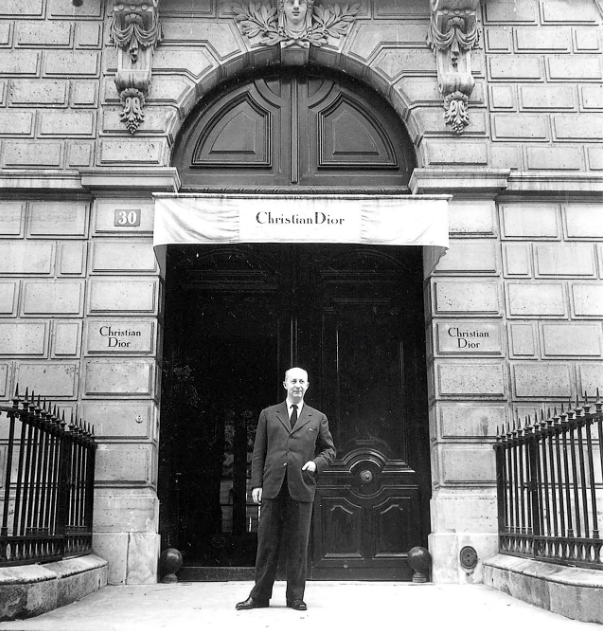
Dior and Boussac: The Partnership That Built a Fashion Empire

When Christian Dior left Lucien Lelong’s atelier in 1946, he was stepping into his own couture house. Upon doing so, he was entering a partnership that would re-shape the future of French fashion. The man behind that transformation was Marcel Boussac, the French textile magnate known as “the king of cotton.”

Boussac didn’t just fund Dior. He engineered the conditions that allowed Christian Dior to become Dior.

The Offer That Changed Everything

Boussac originally wanted Dior to revive the struggling house of Philippe et Gaston. Dior politely refused, firmly and with a vision of his own. He didn’t want to inherit a legacy. He wanted to build his very own legacy.

Impressed by Dior’s conviction and Dior’s negotiations that Dior had stated, Boussac made an un-precedented at the time decision:

  • full financial backing
  • a couture house built from the ground up
  • complete creative control
  • access to the finest textiles in France

No young designer had ever been given this level of power.

This was the birth of a fashion empire.

Why Boussac Chose Dior

Boussac was a businessman not a romantic. He chose Dior because he saw a designer with impeccable taste, a gentleman who understood women, a visionary capable of reviving Paris couture after the war and someone who could turn fabric (Boussac’s lifeblood) into desire.

Dior was beyond talented. He was strategic, elegant and (quietly) ambitious.

Boussac recognized that.

The Industrial Power Behind the New Look

When Dior unveiled his 1947 debut collection, the one Carmel Snow famously christened “The New Look,” it was a creative triumph in addition to it being a logistical one.

Boussac’s empire provided:

  • the yards of fabric needed for Dior’s sweeping skirts.
  • the production capacity to meet global demand.
  • the financial stability to take risks.
  • the infrastructure to expand into perfumes and licensing.

Without Boussac, Dior’s revolution might have remained a beautiful idea. With him, it became a global phenomenon.

A Partnership That Redefined Luxury

The Dior–Boussac alliance created a new model for fashion:

  • couture backed by industrial power
  • creativity supported by capital
  • a designer elevated to global brand status

Designer + financier is still the foundation of modern luxury houses today.

Dior didn’t just leave Lelong. He stepped into a partnership that allowed him to change the fashion world. The world!

I’m Stacey Hobbs, thanks for reading. Until next time!
do you feel fabulous today?