Canada’s Speakeasy Culture: Less Prohibition, More Cabaret: European‑Leaning Entertainment Culture

Canada’s nightlife culture during Prohibition was fundamentally different from the United States.

Prohibition was first enacted on a provincial basis in Prince Edward Island in 1901.

Oh, Canada, has speakeasies all right throughout the nation in primarily in major cities, Toronto, Calgary, Montreal. 

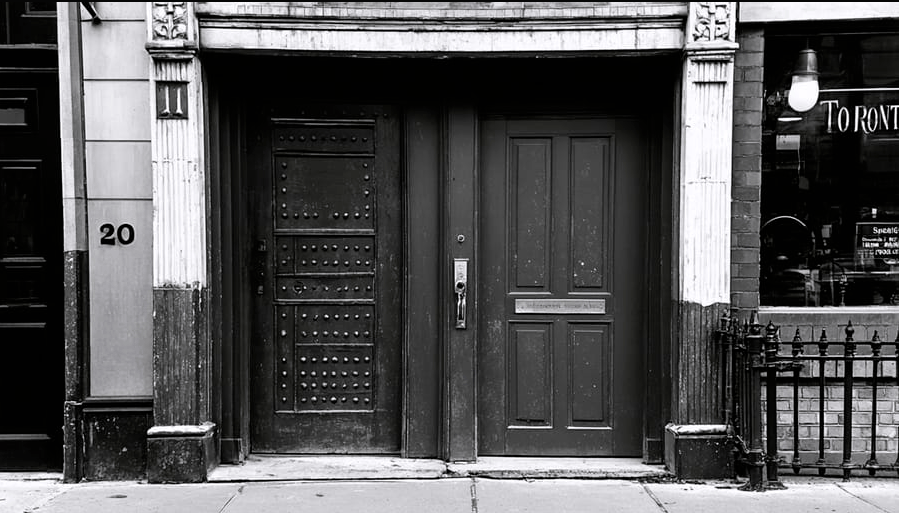
Black and white photograph of a historic Toronto speakeasy entrance, showing a hidden door and period architecture, 1920s/partsandlabour.ca

While American speakeasies were born out of strict, nationwide Prohibition, Canada’s nightlife in the 1920s followed a very different rhythm. Alcohol laws varied wildly by province, some of which banned liquor entirely, while others allowed controlled sales, and many shifted back and forth throughout the decade. The result was a nightlife scene that felt less like a criminal underworld and more like a cabaret‑infused, European‑leaning entertainment culture.

Canadian cities such as Montréal, Toronto, and Vancouver developed their own version of the speakeasy. Speakeasies in these cities were part jazz club, part dance hall, part cabaret theatre. Instead of hidden basements and whispered passwords, many Canadian venues operated in a legal grey zone that was technically restricted, but openly tolerated. Patrons could enjoy cocktails, live music and dancing without the same level of secrecy or danger that defined American speakeasies.

Montréal, in particular, became the Paris of North America during this era. Its nightlife was famous for:

  • cabaret stages
  • chorus girls
  • jazz orchestras
  • cigarette girls and cocktail trays
  • a cosmopolitan mix of French, American, and immigrant influences

American tourists crossed the border in droves, seeking the freedom they couldn’t find at home. While U.S. speakeasies symbolized rebellion, Canadian nightlife symbolized escape, a glamorous alternative to the restrictions of American Prohibition.

This difference shaped fashion, too. Canadian women embraced the flapper look — bobbed hair, beaded dresses, cupid’s bow lips — but their nightlife style leaned more toward cabaret glamour, as opposed to underground grit. Think feathers, sequins, satin gloves with a touch of Parisian theatricality.

Today, the contrast remains part of the cultural memory of the Jazz Age: America had speakeasies. Canada had cabarets. Both were vibrant, modern and intoxicating, however each told a different story about freedom, identity and the pursuit of pleasure.

I’m Stacey Hobbs, thanks for reading Face by Stace! Until next time.

do you feel fabulous today?

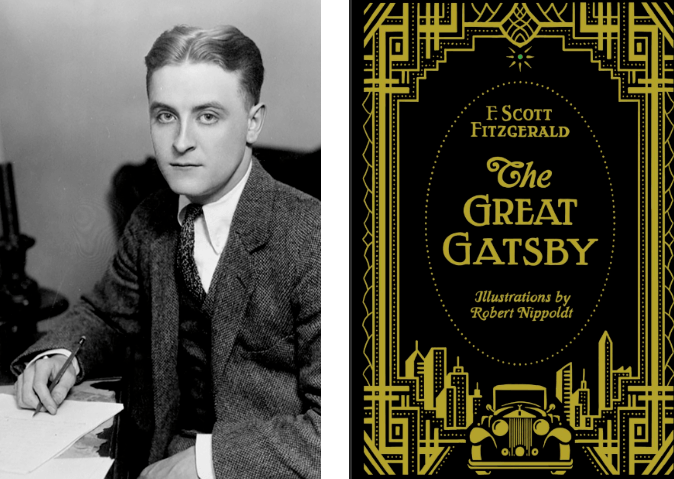
The Great Gatsby by F. Scott Fitzgerald: Cultural Influence of the 1920’s

Have you read The Great Gatsby by F. Scott Fitzgerald, published in 1925? It’s fabulous, isn’t it? It’s a classic for a reason. When The Great Gatsby hadn’t yet become the cultural giant it would become, particularly in decades to come. This book that felt like Fitzgerald was writing a story, a fictionalized story based on real people in his real life, real events. Sure enough he was. And yet, The Great Gatsby is a fictional novel inspired by real people, events, and the Jazz Age lifestyle, but it is not a literal true story.

The Great Gatsby captured something essential about the decade. This would be the glittering surface of the Jazz Age and the darker under-current beneath it. Over time, the novel became the definitive portrait of the 1920s, shaping how we imagine the era even more than historical records. 

1. Gatsby defined the visual language of the 1920s

Even though Fitzgerald didn’t set out to write a fashion manual of the Jazz Age, the novel crystallized the look of the decade anyway with its shimmering beaded dresses, champagne‑lit parties, bobbed hair, cupid’s bow lips, tuxedos and white dinner jackets and Art Deco glamour. 

Designers, filmmakers and fashion houses still draw from Gatsby when referencing the Jazz Age. Every time a brand releases a “1920s‑inspired” collection, it’s really a Gatsby collection.

Baz Luhrmann’s 2013 film only amplified this but the aesthetic existed long before, this film came into existence, which it was based off of the ever so iconic novel The Great Gatsby. How many people heard of the novel before the 2013 movie?

2. It shaped the understanding of the 
“American Dream”

The cultural impact of The Great Gatsby shaped the understanding of the “American Dream” but it also influenced the way the dream within itself was perceived and pursued. Gatsby turned the idea of reinvention into a cultural standard with self-creation, ambition, glamour, longing and the illusion of success.

Gatsby became a standard idea that you can become someone through style, performance and desire.

3. It immortalized the flapper and the Jazz Age

Daisy Buchanan became the archetype of the flapper. Flappers at the time in the 1920s were deemed as the modern woman, the woman who rejects Victorian constraints and the woman who lives for pleasure, beauty and sensation. Typically middle-class women.

Even though Daisy is morally ambiguous, her image shaped the following: 

  • 1920s make-up trends
  • 1920s haircuts
  • the birth of youth culture
  • the idea of nightlife as liberation

4. It captured the dark side of glamour

In addition to The Great Gatsby’s glitz and glamour, it captured the dark side of glamour. This may be the very reason as to why the novel still feels modern, or at the very least timeless. 

Behind the glitter lies class divides, corruption, excess, emotional emptiness and the cost of reinvention.

This duality of beauty + decay, is why Gatsby continues to inspire fashion editorials, museum exhibitions and cultural essays.

It’s pretty. It’s tragic. And that tension has a tendency to be irresistible.

5. Gatsby shaped how we imagine the 1920s, more than history ever did

The Great Gatsby had done more than just reflect the Jazz Age, it created the version of the Jazz Age that lives in our cultural memory to this very day.

When people picture the 1920s, they picture Gatsby’s world; the music, the parties, the fashion, the decadence and the longing. 

It’s the novel that turned the decade into a something mythical, which is one interpretation, one perception. 

I’m Stacey Hobbs, thanks for reading Face by Stace! Until next time.

do you feel fabulous today?

Louis Vuitton: The Luxury House That Defined Modern Fashion

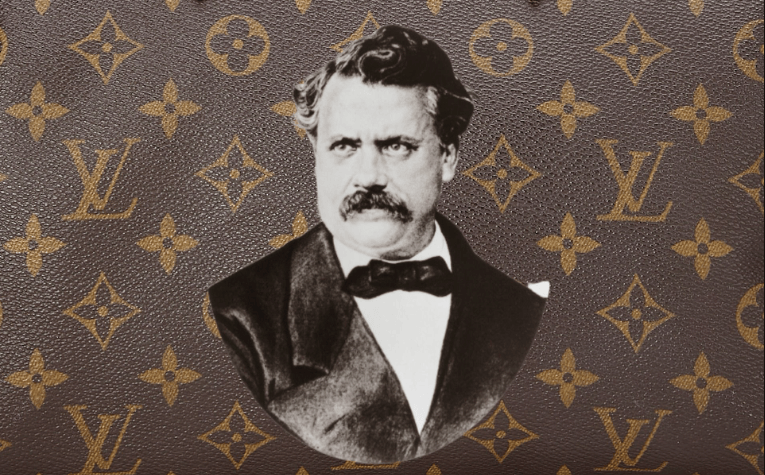
Long before Louis Vuitton became the monogram seen on runways, and airport lounges around the world, it began with a single idea from Louis Vuitton. He believed travel should be beautiful. Founded in 1854 as a humble trunk‑making atelier in Paris, Louis Vuitton built its reputation on craftsmanship, innovation and an un-wavering commitment to luxury.

Louis Vuitton created a lifestyle, something that was far more than fashion and luggage. 

From Trunks to Timeless Icons

In the 19th century, travel was transforming — railways, steamships and grand tours were re-shaping how people moved across the world. Louis Vuitton responded with flat‑topped, stackable trunks that were revolutionary at the time. They were durable, elegant and instantly recognizable.

The now‑famous LV monogram, introduced in 1896, wasn’t just branding. It was a symbol of prestige, craftsmanship and exclusivity.

Over the next century, Louis Vuitton expanded from travel goods to handbags, accessories and eventually ready‑to‑wear fashion. But the DNA remained the same: luxury is rooted in heritage.

The Modern Era: When Louis Vuitton Became a Cultural Force

The turning point came in the late 1990s and early 2000s, when Marc Jacobs became the brand’s first creative director. Under his vision, Louis Vuitton transformed from a heritage house into a global fashion powerhouse.

Jacobs introduced:

  • bold runway collections
  • celebrity collaborations
  • the iconic Murakami multi-colour monogram
  • a new era of artistic partnerships

Louis Vuitton was no longer just a luxury brand — it had elevated to become a cultural phenomenon.

Why Louis Vuitton Matters in Fashion History

Louis Vuitton represents the intersection of craftsmanship, art, culture, luxury and innovation.

It’s a brand that has shaped how we understand modern fashion, from the runway to street style. Its collaborations, campaigns and creative directors have influenced entire generations of designers and consumers.

And that’s exactly why Kanye West’s involvement with Louis Vuitton was so significant.

So when Kanye West stepped into the world of Louis Vuitton, he wasn’t just collaborating with a fashion house, he was entering the very heart of luxury itself. And that moment would become the spark that transformed streetwear, sneaker culture and modern fashion forever.

I’m Stacey Hobbs, thanks for reading. Until next time!
do you feel fabulous today?

How Kanye West Made Streetwear High Fashion; Changing Sneaker Culture Forever

In the night, I hear them talk, the coldest story ever told … except this is a story that is anything but heartless!

Let’s rewind to the roots of where Kanye West, first merged streetwear with high fashion.

Kanye West didn’t stumble into fashion; he forced the industry to take him seriously. Long before Yeezy became a cultural phenomenon, he was already blending streetwear with luxury in ways the fashion world wasn’t prepared for or better yet, couldn’t ignore.

To understand how Kanye re-shaped modern fashion, it is important to go back to the moment he stopped dressing like a rapper and started dressing like a designer.

The Pink Polo Era: 
When Kanye First Broke the Mold

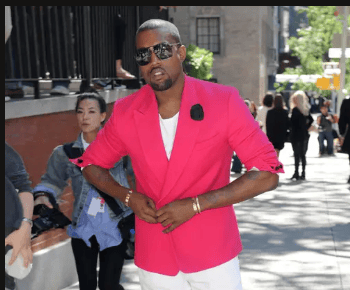
Kanye West was already re-writing fashion rules, quietly and intentionally that is. And long before the industry took him seriously. In the early 2000s, hip‑hop style was dominated by oversized jerseys, baggy denim and a hyper‑masculine aesthetic. Kanye walked in wearing a pink Ralph Lauren polo and a Louis Vuitton backpack, and rap culture had begun to shift.

This wasn’t accidental. It was a statement.

Kanye was signaling that streetwear didn’t have to be sloppy and luxury didn’t have to be exclusive. He blended prep with hip‑hop, designer with everyday wear, and confidence with vulnerability. He dressed like someone who saw himself not just as a rapper, but as a creative director in the making.

The pink polo era was the first time the world saw Kanye’s fashion philosophy and that philosophy Kanye wore that stated, style as an expression of an identity. He was building a brand.

And the industry noticed.

Louis Vuitton Don: The First Luxury Co‑Sign

If the pink polo announced Kanye’s arrival, his Louis Vuitton era confirmed his ambition. Long before he became a designer in his own right, Kanye positioned himself as a luxury insider not by waiting for permission, not Kanye’s style but by positioning himself like he already belonged.

He called himself the Louis Vuitton Donbefore the fashion house ever acknowledged him. And that confidence some may refer to it as delusion; while others may view it as foresight. Kanye understood something the industry hadn’t caught up to yet: streetwear and luxury were on a collision course, whether Kanye realized it or not and let’s face it, he probably already predicted, he was the bridge to merge the two styles of fashion to intertwine them.

His early collaborations with Louis Vuitton in 2009 were more than celebrity merch. They were a cultural shift. For the first time, a rapper wasn’t just modeling luxury; he was actually designing it. The sneakers sold out instantly, signaling that the future of high fashion wasn’t in couture gowns — it was in the hands of artists who understood youth culture.

This was the moment the fashion world realized Kanye wasn’t playing dress‑up. Oh no, no. He was doing much more than that, far more. He was contributing to fashion, to fashion history. He was building a legacy. 

The Nike Air Yeezy: 
When Sneakers Became High Fashion

If Louis Vuitton proved Kanye could establish himself in the world of luxury, in the world of fashion, in the world of high-fashion, haute couture then the Nike Air Yeezy proved he could flip the entire table over. Before Kanye, sneakers were either performance gear or street staples not runway conversation pieces. But in 2009, the Air Yeezy changed the game.

This was the first time Nike had ever given a non‑athlete a signature shoe.

Kanye treated the sneaker like its couture: sculptural, futuristic, architectural. The Air Yeezy was strictly designed for the front row. And the fashion world stopped to take notice.

The release triggered lines around blocks, re-sale chaos and a cultural shift that still shapes sneaker culture today. Suddenly, sneakers had been escalated to status symbols, investment pieces and the new luxury. After all, Kanye West is a visionary; he saw what was missing in fashion and executed something he believed the world needed and the world was ready for it. 

Yeezy Season: 
The Runway That Changed Everything

By the time Kanye unveiled Yeezy Season 1 in 2015, he wasn’t just influencing fashion — he was reshaping its entire vocabulary. The show wasn’t a traditional runway; it was a cultural event. Models stood in formation like a living installation, dressed in muted tones, military silhouettes, and dystopian minimalism that felt more like performance art than fashion week.

Critics didn’t know what to do with it. But the culture did.

Kanye was designing clothes to impress editors, but more importantly, Kanye was more interested in designing clothes for what mattered most to him, that was more important and that is for a whole new generation. A generation that loved fashion, better yet, style as much as Kanye, himself. A generation that was able to view his art that he had expressed, managed to translate into his fashion as he had successfully completed in other artistically formats in his repertoire. A generation that had supported Yeezy Season One, instantaneously. West’s first collection consisted of oversized hoodies, distressed knits, sock‑fit boots, and earth‑tone palettes became the blueprint for an aesthetic that would dominate the next decade.

What made Yeezy Season revolutionary wasn’t just the clothing. It was the idea that fashion could be:

  • unisex
  • utilitarian
  • sculptural
  • stripped down
  • emotionally charged

Kanye took the language of streetwear and elevated it to the level of conceptual art. And whether the industry wanted to admit it or not, the world followed.

Drop Culture: How Kanye Rewired the Hype Economy

Before Kanye, fashion releases followed a predictable rhythm: seasonal collections, runway previews, and slow rollouts. Then came Yeezy — and suddenly, the entire industry was operating on Kanye’s clock.

Kanye didn’t just design clothes; he engineered anticipation. He turned every release into an event, every sneaker into a cultural moment, every drop into a frenzy. Limited quantities, surprise announcements, and instant sell‑outs became the new norm — not just in streetwear, but across luxury fashion.

This wasn’t hype for hype’s sake. It was a new economic model.

Kanye understood that scarcity creates desire, and desire creates value. Brands from Dior to Balenciaga to Off‑White adopted the same strategy, proving that Kanye wasn’t following trends — he was building the blueprint.

Drop culture didn’t just change how we buy fashion. It changed how we experience it.

The Legacy Kanye Left on Fashion

Whether you admire him, like him, critique him, or dislike him, or sit somewhere in between, one truth is impossible to deny: Kanye West re-shaped modern fashion in a way no artist before him ever has. He blurred the lines between streetwear and luxury, turned sneakers into cultural aesthetics and built a design language that influenced everyone from high‑end houses to fast‑fashion retailers.

Kanye wasn’t going to wait for the fashion world to open its doors. Instead he walked in, re-arranged the furniture and re-wrote the rules.

From the pink polo to Louis Vuitton, from Nike to Adidas, from runway installations to drop culture, his impact is woven into the fabric of what we now call contemporary style. 

Kanye had influenced multiple forums and that includes but not limited to fashion, as it is influenced everywhere. 

This isn’t a story. It’s an examination of cultural impact — and Kanye West’s influence on fashion remains one of the most significant of our time.

I’m Stacey Hobbs, thanks for reading. Until next time!
do you feel fabulous today?
Before the Scandal: How Christian Dior Discovered His Protégé (Part Two)

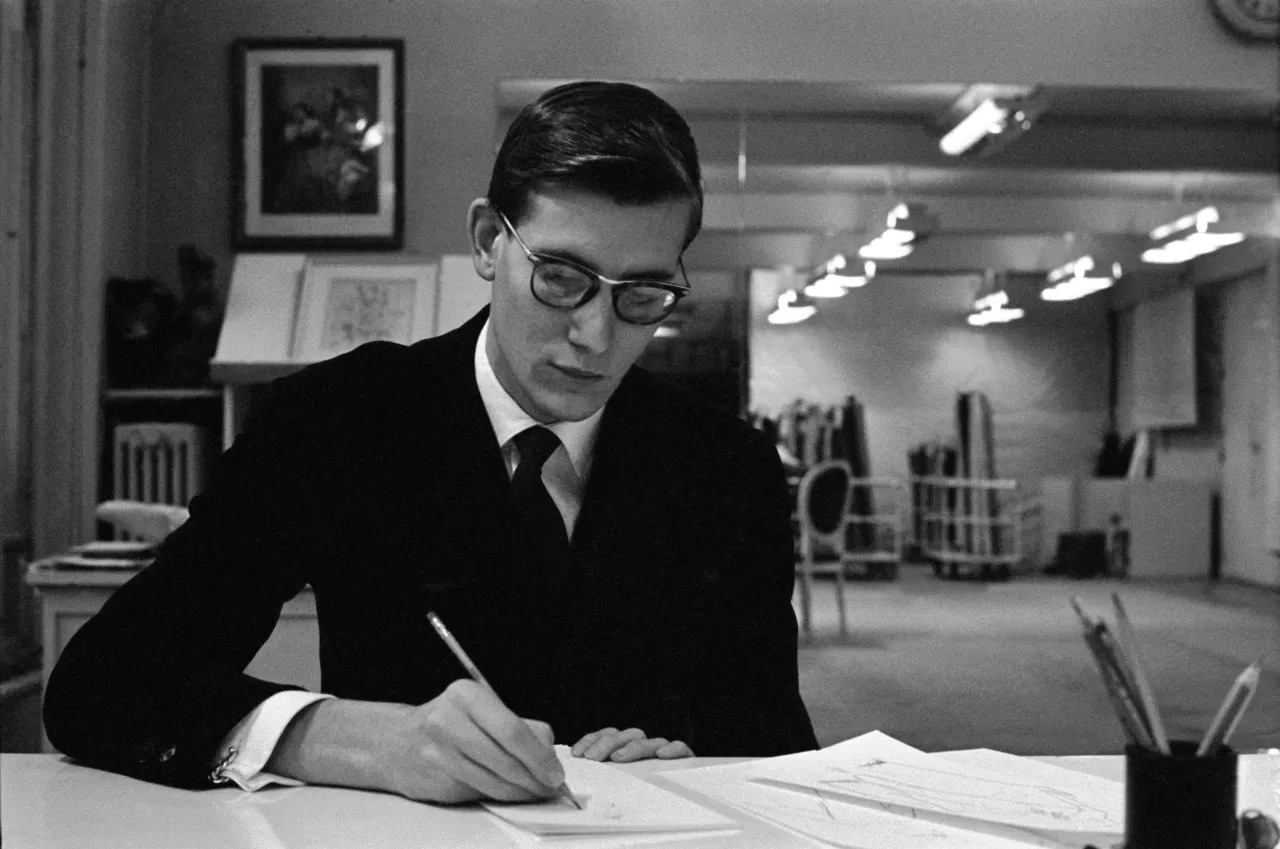
Years before the headlines, before the firing, before the lawsuit and the legend, there was simply a shy, delicate teenager from Oran who loved to draw dresses. Yves Saint Laurent arrive at the House of Dior as a dreamer. A nervous, brilliant and almost painfully young designer in the making.

Christian Dior saw him instantly.

In 1955, Dior reviewed a stack of sketches from applicants hoping to join his atelier. Most were competent. A few were promising. But one portfolio stopped him cold in his tracks. The lines were clean, the silhouettes modern, the imagination unmistakably talented. Dior didn’t just see talent, what he saw was much more, he saw the future.

He hired the nineteen‑year‑old on the spot.

Inside the house, YSL became Dior’s shadow. Quiet, observant, disciplined. Dior treated him not as an assistant but as a successor in training. He brought him into fittings, whispered corrections, explained the architecture of a dress, the psychology of elegance, the responsibility of couture.

And then Dior said the words that would change everything:

“Yves Saint Laurent is the future of Dior.”

It wasn’t a compliment. It was a prophecy.

When Dior died suddenly in 1957, the prophecy became reality. At just twenty‑one, YSL was named creative director of the most powerful couture house in the world — a role he never asked for, but one he carried with extraordinary grace.

This is the part of the story people forget: Before the scandal, before the firing, before the empire he built under his own name. Yves Saint Laurent was simply Dior’s chosen one.

21-years-old Yves Saint Laurent at Christian Dior’s Funeral, 1957

I’m Stacey Hobbs, thanks for reading. Until next time!
do you feel fabulous today?

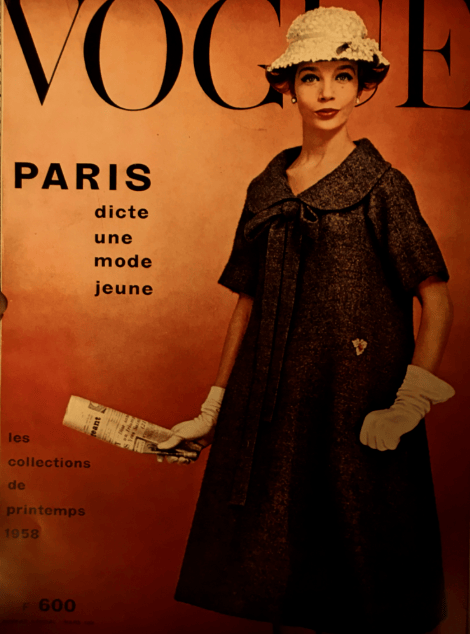
YSL at Dior: The Young Guy Who Saved French Couture (Part Three)

When Yves Saint Laurent stepped into the role of creative director at Dior in 1957, he was a young twenty‑one-year-old, an age when most young men were still figuring out who they were. YSL didn’t have that luxury. Overnight, he inherited the most powerful couture house in the world, the legacy of Christian Dior, and the expectations of an entire nation still re-building its identity after the war.

And somehow, impossibly, he rose to the moment.

Paris held its breath as the young designer prepared his first collection. Critics whispered. Clients doubted. Rivals sharpened their knives. How could a boy, Dior’s quiet, fragile protégé, possibly carry the weight of a house that had re-shaped fashion itself?

Then came the Trapeze Line.

Soft, swinging silhouettes. A release from the cinched waist. A new kind of femininity — light, modern, liberated.

It wasn’t just a success. It was a sensation.

The collection revived the house, restored confidence in French couture and proved that Dior’s prophecy had been right all along: 

Yves Saint Laurent was the future.

For the next three years, YSL brought a fresh, youthful energy to Dior. His designs were elegant but daring, refined but forward‑looking. He understood the changing world, the rise of youth culture, the shift toward modernity and he translated it into couture with a sensitivity far beyond his age.

But brilliance came with a cost, Yves Saint Laurent would discover and learn. 

The pressure was relentless. The expectations were suffocating. Every collection was a test, every review a referendum on whether the boy could truly replace his mentor. And while Yves Saint Laurent delivered beauty season after season, the strain began to show.

Still, in those brief, incandescent years, Yves Saint Laurent didn’t just keep Dior alive. He kept French couture relevant.

He was the boy who saved the fashion house and by doing so, he ultimately saved an era of fashion.

An important Christian Dior by Yves Saint Laurent/Vogue

I’m Stacey Hobbs, thanks for reading. Until next time!
do you feel fabulous today?