Josephine Baker’s 7 Beauty Secrets

How the world’s most electrifying performer crafted her iconic look.

Josephine Baker was a performer, a phenomenon even. Her beauty, charisma and un-mistakable style made her one of the most photographed women of the 20th century. And behind that iconic image were rituals, tricks, and beauty philosophies that were uniquely her own.

Here are the real beauty secrets Josephine Baker used to stay luminous on and off the stage.

1. Her Famous Glossy, Sculpted Hair

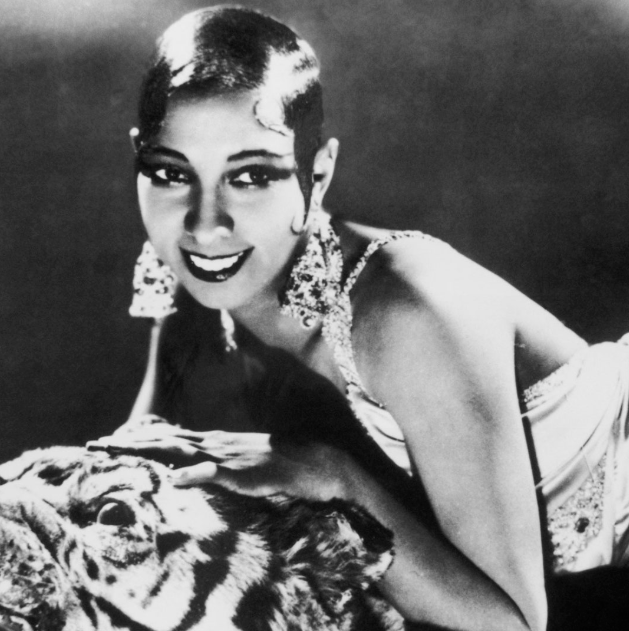
Josephine’s slick, lacquered hair became one of the most recognizable looks of the Jazz Age.

She achieved this look by using:

  • brilliantine (a glossy hair pomade).
  • egg whites for hold.
  • (Vaseline) petroleum jelly for shine.
  • tight finger waves pressed flat to the scalp.

This created that wet, sculptural, almost liquid effect that defined 1920s glamour.

2. Her Radiant, Glowing Skin

Josephine’s skin had a natural luminosity that photographers adored.

Baker’s routine included:

Olive oil
(is a heavy oil that is designed to be great moisturizer for dry skin) as a moisturizer.

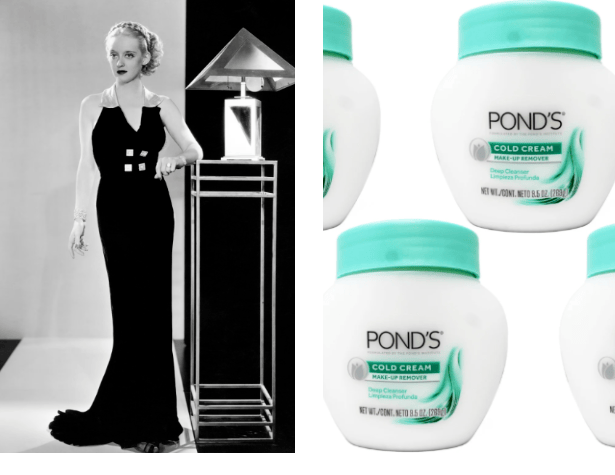
(Pond’s) Cold cream
to cleanse and soften her skin.

Glycerin
to hydrate her skin.

Rose-water
to tone and refresh

Baker believed in keeping the skin supple, dewy and nourished — long before “glazed skin” became a trend.

3. Kohl‑Rimmed Eyes for Drama

Josephine loved kohl eyeliner, which was a staple of the 1920s and 1930s.

She used it to define the lash line; create a smoky, sultry look and to intensify her expressions on stage. 

Baker emphasized her eyes with bold, dark liner.

4. Her Signature Red Lips

Josephine favoured deep, rich reds that popped under stage lights.

She would often over‑defined her cupid’s bow (popular 1930s lip shape), layered lipstick with a dab of petroleum jelly for shine (before there was lip gloss) and used darker shades at the corners for dimension.

Her lips were always expressive, dramatic and camera‑ready.

5. Full‑Body Moisturizing Rituals

Josephine was known for her glowing, silky skin.

She used cocoa butter (used to hydrate the skin or for dry skin or both), olive oil (used for dry skin) and shea butter (brought from travels).

These kept her skin soft, hydrated and luminous under stage lights.

6. Perfume as a Signature

Josephine adored fragrance and believed scent was part of her identity.

Baker favoured and loved to use jasmine, gardenia and musk-based perfumes. 

She often layered scents to create a custom aroma that lingered long after she left a room.

7. Her Fitness & Wellness Routine

Josephine’s beauty was also wrapped around a discipline she had for her body.

Baker maintained her physique with daily stretching; dance rehearsals; long walks and mostly a light, fruit-based diet. 

e was magnetic — and it amplified every beauty ritual she practiced.

Why Josephine Baker’s Beauty Secrets Still Matter

Josephine’s approach to beauty was decades ahead of its time as some have predicted. With her glossy hair, glowing skin, bold eyes and expressive lips. 

Baker understood the power of image and she crafted hers with artistry.

I’m Stacey Hobbs, thanks for reading. Until next time!
do you feel fabulous today?
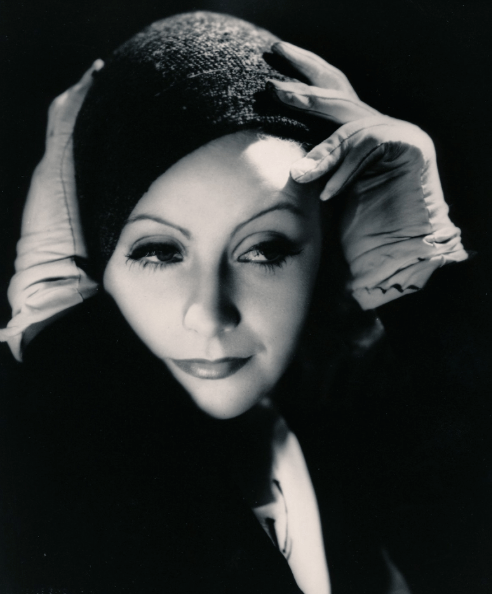
Greta Garbo’s Grease‑Pencil Brow & Eye Trick: The Beauty Technique That Defined 1930s Glamour (Re-create Garbo’s Smokey Eye & Her Brows!)

Greta Garbo didn’t just act in her films, such as Grand Hotel (1932) or in the 1920s, where she had found establishment in the silent film era, being one of the very few film stars to successfully cross-over to the “talkies” or sound pictures by 1927, Garbo hypnotized the screen with her craft. 

Garbo’s face with its sculpted brows and smoky, half‑shadowed eyes became one of the most recognizable images of 1930s cinema. But behind that iconic look was a surprisingly simple, deeply artistic technique: the grease‑pencil brow and eye method, the early and first version of what would become the smoky eye!

The Brow That Changed Beauty

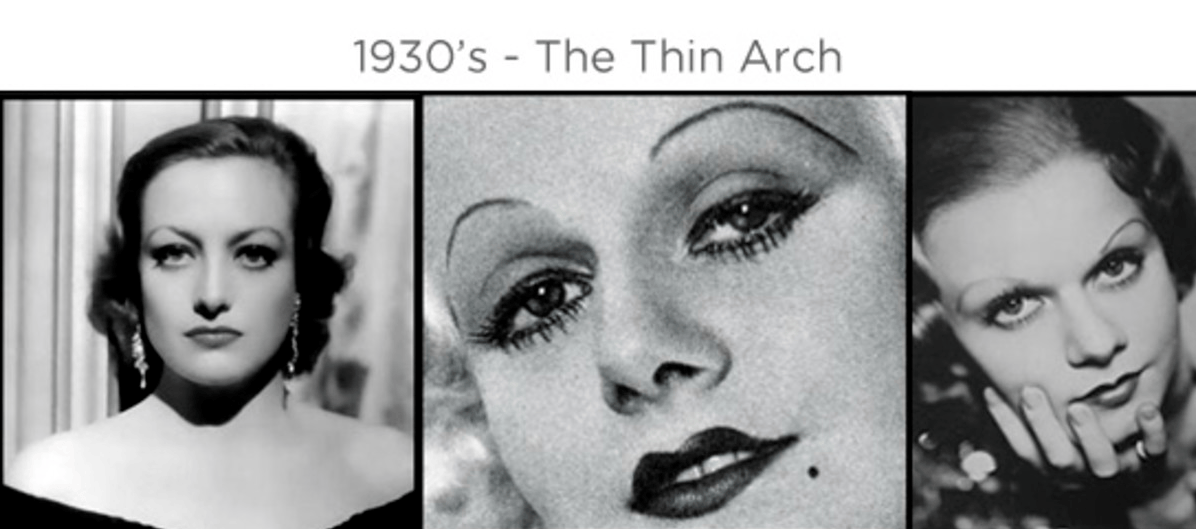
Garbo’s brows were legendary, with her thin, elongated and impossibly expressive. Garbo and her make‑up artist, William H. Daniels, used a grease pencil (an early form of eyeliner) to draw the brow into a new shape.

How Greta Garbo Created Her Look:

  • Brows were shaved, only to be drawn on.
  • A grease pencil was used to sketch a new, higher arch.
  • The line was softened with a fingertip or brush.
  • Powder was pressed over top to set the make-up.

The result was a brow that lifted the entire face, created instant drama and photographed like a dream under soft‑focus lighting.

This technique became ideal for 1930s brows and it still influences editorial make‑up today.

The Smoky, Sleepy Eye Before Smoky Eyes Existed

Garbo’s eyes had a signature “mysterious softness,” which is a look that felt both sultry and serene. She achieved it using the same grease pencil she used for her brows.

Garbo’s Method:

  • A thin line of grease pencil along the upper lash line.
  • Smudged outward with a fingertip to blur the edges.
  • A touch of shadow pressed over top for depth.
  • Lower lashes left mostly bare for a dreamy, half‑lidded effect.

This created a smoky eye decades before the term existed, a soft, diffused and cinematic.

Why This Trick Worked So Well on Film

Garbo understood the camera better than almost any star of her era. Her grease‑pencil technique worked because:

  • Soft lines photograph better than hard ones.
  • Grease pencils catch light without reflecting it.
  • Drawn‑on brows allow total control of shape.
  • Smudged liner creates depth in black‑and‑white film.
  • Minimal lower‑lash definition keeps the gaze open and ethereal.

Greta Garbo and her make-up artist was applying make-up, as much as she and he was sculpting light.

A Technique Modern Pros Still Use

Garbo’s grease‑pencil method is the predecessor of several modern techniques:

  • brow mapping
  • soap‑brow + pencil detailing
  • smudged kohl liner
  • soft‑focus editorial eyes
  • pencil‑first brow shaping

Her approach predicted the modern “pencil‑and‑powder” brow and the smudged‑liner smoky eye, commonly used in fashion and editorial photography.

I’m Stacey Hobbs, thanks for reading. Until next time!
do you feel fabulous today?

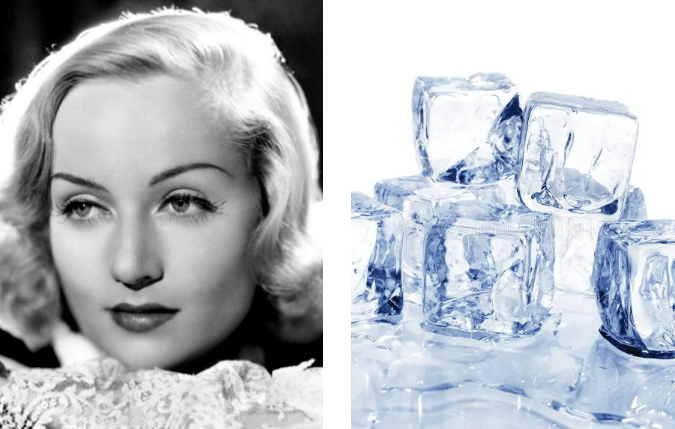
Carole Lombard’s Ice‑Cube Facial: The 1930s Beauty Trick That Predicted Modern Cryo Skin-care

Carole Lombard was glamorous, funny, modern for her time, sophisticated and known for her beauty hacks. 

Long before cryo sticks, ice globes and chilled jade rollers filled modern vanities, one of Hollywood’s Golden Age comedienne, Carole Lombard was already enduring this trick. In the 1930s, Lombard swore by a simple, modern ritual, This trick was an ice‑cube facial massage that tightened her skin, reduced puffiness and gave her that camera-ready glow. 

It was the kind of beauty secret only Golden Age could produce of the era that would later become a trend today. This trick produced practicality and glamour.

A Star Who Understood the Power of Preparation

Carole Lombard was known for her wit, her timing and her luminous screen presence. But behind the scenes, she was also a meticulous beauty strategist. Studio lights were harsh, film stock was un-forgiving and close‑ups demanded perfection. Lombard needed a routine that worked instantly, enter ice, which became her secret weapon.

Before filming, she would wrap ice cubes in a thin cloth and massage her face in upward strokes. The cold constricted blood vessels, lifted the skin and brought a natural flush to her cheeks. 

How the Ice‑Cube Facial Worked

Lombard’s method was simple, elegant and surprisingly scientific:

  • Ice wrapped in muslin or a handkerchief to protect the skin.
  • Upward strokes along the jawline to lift and sculpt.
  • Gentle pressure under the eyes to reduce puffiness.
  • Circular motions on the cheeks to boost circulation.
  • A final splash of cold water to seal the effect.

The result was a complexion that looked smooth, awake and naturally radiant.

Why This Trick Still Works Today

Modern skin-care has re-discovered what Carole Lombard already knew. Lombard knew cold reduces inflammation; tightens pores; boosts circulation and creates a lifted, refreshed look in minutes.

Today’s cryo tools are simply the high‑tech descendants of Lombard’s ice cubes.

Carole Lombard’s beauty trick was a precursor to an entire category of skin-care.

Carole Lombard didn’t rely on expensive products or elaborate treatments. She relied on ritual, resourcefulness, and a little bit of cold.

I’m Stacey Hobbs, thanks for reading. Until next time!
do you feel fabulous today?

Bette Davis’ Cold‑Cream Eye Mask: The 1930s Beauty Routine

The 1930s beauty ritual that protected Golden Age Hollywood’s brightest eyes.

Davis applied thick cold cream under her eyes before she would film her scenes. This would prevent dryness from studio lights.

Bette Davis had these beautiful, round, large eyes, that became a famous feature of hers with these eyes shining so brightly. She had the eyes of 1930s and 1940s cinema. Bette Davis relied on this beauty trick, that is cold‑cream eye mask. Sounds interesting, doesn’t it? She wore on set to protect her skin from the brutal studio lights.

Why Bette Needed This Ritual

Early Hollywood lighting during the early years as these studio lights and early Hollywood was evolving from it’s beginning roots in the early to mid-1910’s or around that time to 1930s when “talkies” had just came to light about five years in when Bette Davis made her debut, more importantly, her breakthrough. Early Hollywood lights were intense, hot, drying and relentless. The powerful carbon‑arc lamps used on set could seep hydration (for some moisture, as well) from the skin within minutes. A little on the dangerous side. For an actress whose eyes were her signature, Bette Davis needed a way to keep the delicate under‑eye area hydrated, soothed and to be ready.

Her solution was simple, old‑school and incredibly effective. Davis’ trick was to add a thick layer of Pond’s (yes, Bette Davis loved her brand of choice for cold cream, that being Pond’s) cold cream applied under her eyes in between takes.

While other actresses powdered and re-powdered, Bette opted for protected instead. And Pond’s cold cream was also used by some actors/actresses as a make-up primer if Vaseline was not used. Pond’s cold cream served multiple purposes including in this case with Bette Davis.

How the Cold‑Cream Eye Mask Worked

Bette’s technique was straightforward but delivered intentionality. To emulate Davis’ trick, apply a generous layer of cold cream (often Ponds or a studio‑approved equivalent, she would use). Davis would then apply the cold cream under the eyes and across the upper cheekbones. She left the cold cream on during rehearsals, lighting adjustments and in her down-time. Afterwards, she would gently wipe away before filming. 

The cream acted as a barrier — locking in hydration in Bette’s case, moisture for others, while preventing creasing and keeping her skin supple under the heat of the studio lights. Those studio lights can be rough and it was rough, particularly in those days. 

Make‑up artists loved it because it kept her skin smooth. Cinematographers loved it because it prevented dehydration (or dryness for others) that could catch the light. Bette loved it because this under eye cold cream mask worked.

Why Does Bette Davis’ Cold Cream Under Eye Mask Remain Relevant Today?

  • it hydrates deeply
  • it plumps fine lines
  • it preps the skin for concealer
  • it reduces irritation from long wear
  • it’s gentle, inexpensive and timeless

It’s basically equivalent to today’s under eye patches, but in this case with Bette Davis the vintage version.

Why Did the Pros Like it or Love this Trick?

Bette’s cold‑cream mask is essentially an early trick, a technique still used by make‑up artists today to:

  • prevent concealer from cracking
  • keep the under‑eye area luminous
  • protect the skin during long shoots
  • maintain a smooth texture under powder

It’s a classic example of how vintage beauty often predicted what would transform into a modern technique. In this case under eye patches from Bette Davis’ Cold-Cream Eye Mask, which by the way is perfect for all skin types.

I’m Stacey Hobbs, thanks for reading. Until next time!
do you feel fabulous today?

Top 10 Most Fashion‑Influential Fred & Ginger Looks

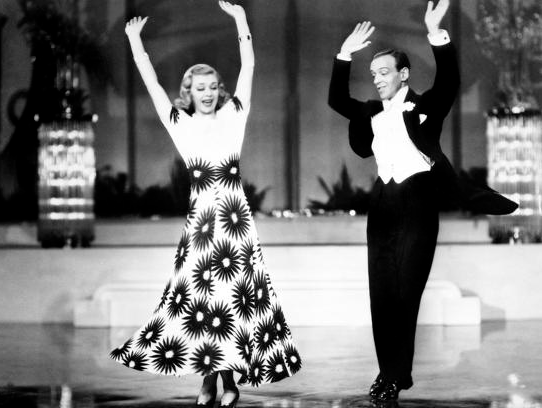
Fred Astaire and Ginger Rogers are known for their dance sequences in their multiple ever so popular classic musicals throughout the duration of the 1930s, with their pairing that began as supporting characters in a film called Flying Down to Rio (1933). Their duo stole the spotlight which lead to the two of them launching their first film, The Gay Divorcee (1934) , the first of soon-to-be many films. Astaire and Rogers were known for their dances, as much as they were known for their fashion, their style, contributing to fashion history. Their costumes shaped 1930s style, inspired designers and elegance that still influences fashion and style today.

These are the ten looks that defined their legacy.

1. Ginger’s Ostrich‑Feather “Cheek to Cheek” Gown (Top Hat, 1935)

The gorgeous, elegant, pale blue, gown that floated like a cloud across the dance floor shed feathers everywhere. Despite the backstage chaos this dress had encountered, it became the most iconic dance dress in Hollywood history.

2. Fred’s White Tie & Tails (Top Hat, 1935)

Astaire perfected the attire of top hat, white tie and tails apparel with such class. With razor‑sharp tailoring, long lines and effortless movement in this solo dance sequence he choreographed as well.. This look became the gold standard for men’s eveningwear. 

3. Ginger’s Bias‑Cut Silver Lamé Gown 
(Swing Time, 1936)

Slinky, liquid, and sculpted to her body, this gown defined 1930s glamour. It inspired decades of bias‑cut eveningwear.

4. Fred’s Two‑Tone Shoes (Multiple Films)

His signature black‑and‑white shoes became a menswear phenomenon. They added rhythm, contrast and a touch of swagger to every step.

5. Ginger’s Ruffled “Never Gonna Dance” Gown (Swing Time, 1936)

A dramatic, floor‑length gown with cascading ruffles made for graceful movement. It is high fashion at its finest.

6. Fred’s Soft, Unstructured Evening Jacket (Shall We Dance, 1937)

Astaire modernized menswear by replacing stiff tailoring with fluid, dance‑friendly jackets. Designers still reference this style today.

7. Ginger’s Black Velvet Gown with Sheer Sleeves (Shall We Dance, 1937)

Elegant, architectural, and sensual without being revealing. The sheer sleeve trend traces back to this look.

8. Fred’s Knit Tie & Casual Ascot (Various Films)

Astaire made elegance in a relaxed manner fashionable. His knit ties and ascots became staples of 1930s menswear. It was all the rage. 

9. Ginger’s Feathered Cape & Gown Ensemble (Carefree, 1938)

A dramatic, ethereal look that showcased her signature “motion fashion.” The cape floated like smoke behind her.

10. Their Matching Black‑and‑White Ballroom Looks (The Gay Divorcee, 1934)

The moment that established Fred Astaire’s and Ginger Rogers’ visual identity as a duo with their clean lines, monochrome elegance, their chemistry on screen and perfect symmetry. 

I’m Stacey Hobbs, thanks for reading. Until next time!
do you feel fabulous today?
Did Canadian Women Follow 1930s Beauty Trends?

How Hollywood glamour shaped beauty in Canada.

When we picture 1930s beauty, we often imagine Hollywood: Jean Harlow’s platinum waves, Greta Garbo’s pencil‑thin brows, Marlene Dietrich’s sculpted cheekbones. But what about Canadian women? Did they follow the same trends?

The answer is yes, absolutely. Canadian women embraced 1930s beauty with enthusiasm, creativity and a uniquely Canadian practicality shaped by climate, culture and the realities of the Great Depression.

Hollywood Was Canada’s Beauty Inspiration

Even in the depths of the Depression, movie theatres were full. Films were a cheap escape much like in America, and Canadian women from Toronto to small prairie towns would watched the same actors and films as American audiences.

They emulated such actors from Jean Harlow’s icy blonde hair to Greta Garbo’s thin, dramatic brows to finger waves and soft curls. All in all, Hollywood glamour in Canada was admired.

Beauty on a Budget: The Canadian Way

The Great Depression hit Canada hard with that beauty routines reflected how the economy was shaping during this decade. Women would re-create glamorous looks using affordable, accessible products much like Americans, by utilizing staples they have in their homes, with cheap products such as:

  • Vaseline for shine, brows and eyelids.
  • Cold cream (Pond’s, Noxzema, Pond’s was typically the go-to choice) for cleansing and moisture.
  • Homemade setting lotions for finger waves
  • Soap for brow shaping
  • Drugstore rouge and powder

Luxury French cosmetics were available in major cities like Montreal and Toronto, however most women relied on practical alternatives instead.

The result? The look was the same, the method was resourceful.

The Thin Brow Trend Was All the Rage in Canada

If one trend defined the 1930s, it was the pencil‑thin brow and Canadian women embraced it wholeheartedly.

Newspapers and magazines across the country ran tutorials on how to achieve this desirable look that swept the nation by educating women to tweeze, pencil, shaping arches and to create the “Garbo brow“. 

Even small‑town beauty columns encouraged women to “modernize” their faces with a thinner, more dramatic brow.

Finger Waves Were Perfect for Canadian Weather

Canadian women loved this hairstyle! Finger waves were what Canadian women wanted without a doubt. Finger waves provided practicality as well. Yes even in Canadian climate in the Winter, with the cold air, under Winter hats, wind or even in during Summertime with the humidity. 

Canadian women would wear hats constantly in Winter, and finger waves stayed in place. This made the style especially popular from coast to coast.

Canadian Beauty Parlours Kept Pace With Global Trends

By the mid‑1930s, Canada had a thriving beauty industry. Salons based in the city offered:

  • permanent waves
  • finger‑wave sets
  • brow shaping
  • cold cream facials
  • manicures

Montreal and Toronto beauty salons were basically no different than those found in New York, complete with modern equipment and Hollywood‑inspired styling.

Magazines Reinforced the Look

Canadian popular publications like Chatelaine, The Canadian Home Journal and La Revue Moderne would regularly feature beauty advice, product recommendations and Hollywood‑inspired tutorials for Canadian women to emulate these inspired looks.

These magazines helped spread 1930s beauty ideals across the country, even to small-town communities.

City vs. Small-town: 
Two Versions of the Same Trend

City women (Toronto, Montreal, Vancouver) visited salons, bought American cosmetics and followed trends closely.

Small-town women used catalogues; relied on homemade beauty tricks and adapted trends in simpler, more practical ways.

Regardless if the women was located in the city or a small-town influence was universal.

A Canadian Twist on 1930s Glamour

While Canadian women embraced Hollywood beauty, they often leaned toward a slightly more natural, modest and practical version of the look due to climate, lifestyle and budget.

Still, the core trends remained in tact:

  • thin brows
  • glossy finger waves
  • cupid’s bow lips
  • soft, matte complexions

Canada was very much part of the global beauty conversation, regardless.

I’m Stacey Hobbs, thanks for reading. Until next time!
do you feel fabulous today?